
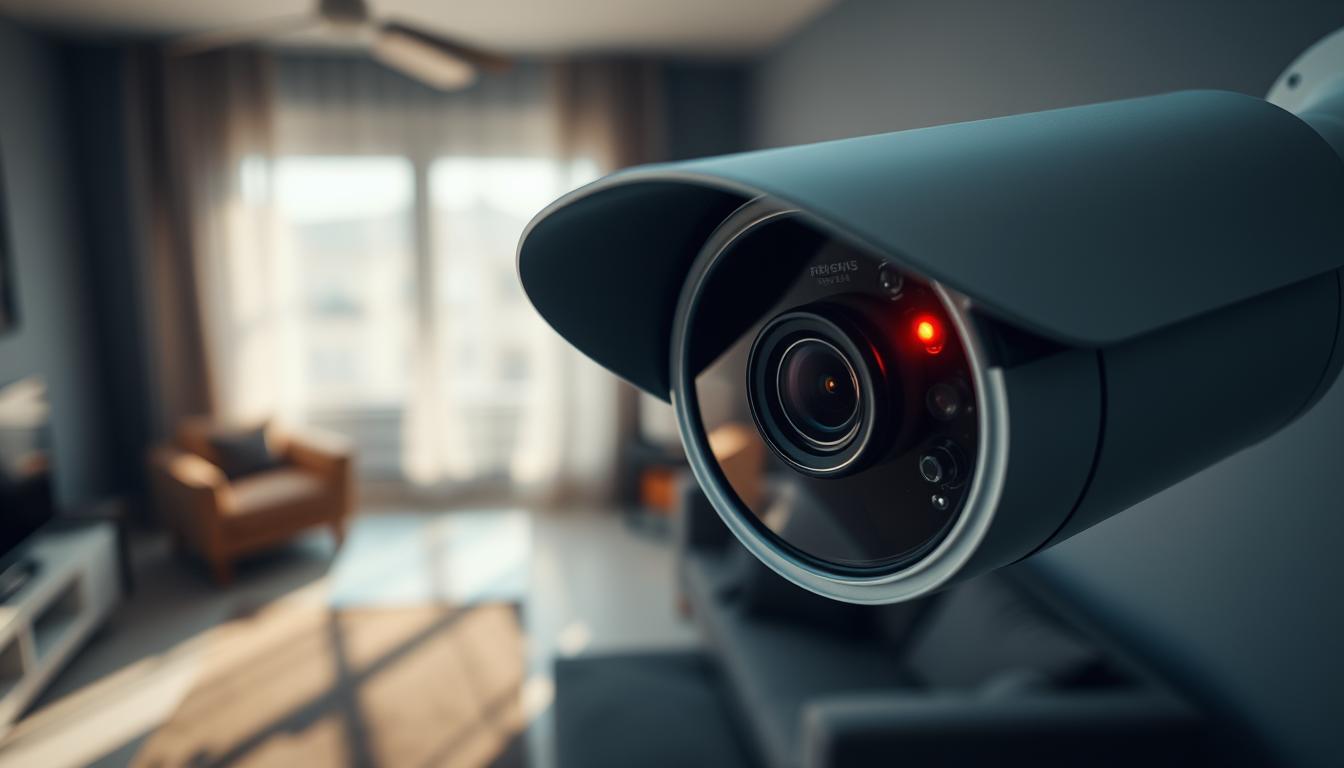
Do CCTV cameras record when they are switched off? A Guide
Many people wonder about the recording capabilities of their security systems during power loss. This common question touches on a critical aspect of surveillance technology.
Security cameras require a constant power supply to function properly. Without electricity, these systems stop working completely. They cannot capture or save any footage.
This misunderstanding creates serious security vulnerabilities. Homes and businesses might believe their surveillance is active when it’s not. Proper knowledge prevents these gaps in protection.
Understanding how these systems work is essential for effective security planning. This guide explores camera functionality, power requirements, and operational truths.
Staying informed about surveillance technology ensures better safety practices. Let’s examine what happens during power interruptions and how to maintain continuous monitoring.
Key Takeaways
- Security systems require continuous power to operate effectively
- Power loss immediately stops all recording functions
- Misunderstanding camera operation creates security vulnerabilities
- Proper system knowledge enhances protection strategies
- Backup power solutions maintain surveillance during outages
- Regular system checks ensure optimal performance
- Understanding technology limitations improves security planning
Understanding the Basics of CCTV Camera Technology
Modern surveillance systems form a complex network of interconnected components. Each element plays a vital role in creating effective security solutions. Understanding these fundamentals helps users make informed decisions about their protection needs.
Core Components: Cameras, Storage, and Power
Every surveillance system relies on three essential elements. The camera captures visual information, while storage devices preserve the footage. Power supplies keep the entire operation running smoothly.
Camera sensors determine image quality and performance. CCD sensors offer excellent low-light capabilities, while CMOS sensors provide cost-effective solutions. Resolution choices range from HD to 4K ultra-high definition.
Storage options have evolved significantly over time. Traditional hard drives offer capacities up to 8TB for extended recording periods. Cloud solutions provide remote access and off-site backup capabilities.
Power requirements vary across different system types. Some devices draw electricity through dedicated cables. Others utilize Power over Ethernet technology for simplified installation.
“The right combination of components creates surveillance systems that meet specific security requirements.”
Analog vs. IP Camera Systems
Traditional analog cameras transmit video signals through coaxial cables. These systems connect to Digital Video Recorders for processing and storage. They represent a reliable, cost-effective solution for basic monitoring needs.
IP cameras capture and transmit digital video over network connections. Network Video Recoders manage these advanced devices. This technology supports higher resolutions and smarter features.
Modern surveillance technology includes various camera designs. Dome models offer discreet monitoring with wide viewing angles. Bullet cameras provide long-range observation capabilities.
PTZ (Pan-Tilt-Zoom) units deliver flexible coverage through remote control. Each camera type serves particular environmental requirements. Residential settings often benefit from different models than commercial installations.
System integration combines hardware and software for comprehensive monitoring. This approach enables real-time observation and intelligent alert systems. Proper configuration ensures optimal performance for specific security needs.
How CCTV Cameras Operate and Their Power Dependency
Surveillance devices depend completely on electrical current to perform their functions. These systems transform electrical energy into visual data through sophisticated internal processes. Understanding this relationship helps users maintain proper security coverage.
The Role of a Constant Power Supply
Continuous electricity enables these devices to capture and process images. The moment power stops, all operations cease immediately. This fundamental principle applies to both basic and advanced surveillance technology.
Different models have varying energy requirements. High-resolution units typically demand more wattage than standard definition options. Infrared night vision features significantly increase power consumption during darkness.
Voltage stability ensures consistent performance. Fluctuations can cause system reboots or permanent damage. Proper electrical infrastructure supports reliable surveillance operations.
“Without stable electricity, even the most advanced security systems become completely non-functional.”
Wired vs. Wireless Power Solutions
Traditional wired configurations use direct electrical connections. Power over Ethernet (PoE) systems deliver both data and energy through single cables. These setups provide 15.4 to 30 watts per connection point.
Wireless alternatives offer installation flexibility but have limitations. Battery-powered units operate independently from electrical outlets. Their runtime depends on capacity and usage patterns.
Solar options convert sunlight into operational energy. They require approximately six hours of daily exposure for optimal performance. These solutions work well in sunny environments like Singapore.
Each power method suits specific installation scenarios. Wired systems guarantee uninterrupted service when properly configured. Wireless options provide temporary operation during electrical disruptions.
Hybrid approaches combine multiple energy sources for enhanced reliability. These configurations ensure continuous monitoring during various situations. Proper planning determines the most effective solution for individual security needs.
For detailed information about continuous operation, visit our guide on CCTV recording capabilities.
Can CCTV Cameras Record When They Are Switched Off? The Direct Answer
Security systems face immediate operational shutdown during electrical interruptions. The moment power disconnects, all surveillance functionality ceases completely. This fundamental truth applies to every type of monitoring equipment.
The Immediate Effects of a Power Disconnection
Electrical failure stops data transmission within milliseconds. Video feeds disappear from monitoring screens instantly. Recording functions terminate without completing current file saves.
Network video recorders initiate automatic shutdown sequences. These processes typically last about thirty seconds. Their purpose is protecting existing footage from corruption.
Voltage regulators detect dropping power levels. They disconnect at predetermined safety thresholds. Most 12-volt systems cut off at approximately 9.6 volts.
“Power loss creates an immediate gap in security coverage that requires backup solutions.”
Internal Circuitry Behavior During an Outage
Capacitors on DVR boards provide brief emergency power. This temporary energy lasts between two to five seconds. It allows minimal system processes to complete safely.
Certain components continue drawing minimal electricity. Network chips consume around 0.8 watts during shutdown. Status LEDs use approximately 0.2 watts until complete depletion.
Abrupt power loss risks serious data corruption. SD cards may lose the last ten seconds of footage. This makes critical evidence potentially unrecoverable.
Different models handle interruptions with varying effectiveness. Higher-quality units typically feature better protection mechanisms. Budget systems often lack comprehensive shutdown protocols.
The technical reality remains unchanged by system quality. Without electricity, no image capture or processing occurs. This fundamental limitation affects all surveillance technology.
Debunking Common Myths About CCTV Camera Operation
Visual indicators on surveillance equipment often create false security assumptions. Many users misinterpret these signals during power interruptions. This misunderstanding stems from limited technical knowledge about system operations.
Misinterpreting Status Lights and Indicators
LED patterns communicate various system states rather than recording activity. A steady green light typically indicates proper power connection. Blinking patterns often signal network connectivity or system errors.
Axis models use specific blink rates for status reporting. One blink per second confirms normal operation. Different patterns indicate various operational states or issues.
These visual signals frequently get mistaken for recording confirmation. Users assume active footage capture based on light patterns. This misconception creates dangerous security gaps during outages.
“Status lights indicate power presence, not recording functionality – a critical distinction often overlooked by users.”
The Reality of “Recording” Without Power
Surveillance technology requires continuous electricity for all operations. The concept of recording without energy contradicts fundamental physics. No security system can capture or process images without power.
Some users believe standby modes enable limited functionality. These modes merely preserve settings until power restoration. They don’t support any actual recording capabilities.
Motion detection features also become completely inactive. These advanced functions require substantial processing power. Without electricity, all intelligent features cease immediately.
Battery-powered units maintain operation during brief interruptions. These specialized systems represent different technology categories. Traditional wired systems offer no such capabilities.
Understanding these limitations prevents security vulnerabilities. Proper knowledge ensures appropriate backup solutions implementation. Users can then maintain actual continuous monitoring during outages.
Verifying actual recording status requires checking storage devices. Live footage review remains the only reliable confirmation method. Visual indicators should never be trusted as recording proof.
Exploring Different Types of CCTV Systems and Their Resilience
Surveillance technology offers diverse system types with varying resilience levels. Each configuration presents unique advantages for specific security needs. Understanding these differences helps users select optimal protection solutions.
Traditional Analog CCTV Setups
Analog surveillance systems utilize coaxial cables for video transmission. These setups typically employ HD-TVI technology reaching 1080p resolution. Their simple architecture provides reliable performance in various conditions.
Coaxial cables demonstrate superior surge resistance compared to Ethernet. This characteristic enhances system stability during electrical fluctuations. Many installations benefit from this inherent durability.
These security systems work effectively with basic monitoring requirements. They represent a cost-efficient solution for straightforward surveillance needs. Their simplicity often translates to easier maintenance procedures.
“Analog systems provide proven reliability with simpler infrastructure requirements than digital alternatives.”
Modern IP and POE (Power Over Ethernet) Cameras
Internet Protocol units capture significantly higher-quality images. Modern models achieve up to 12MP resolution for exceptional detail. This enhanced clarity supports better identification capabilities.
Power over Ethernet technology simplifies installation processes dramatically. Single Cat6 cables deliver both data and electrical power. This streamlined approach reduces wiring complexity and costs.
IEEE standards govern power delivery through Ethernet connections. The 802.3af specification provides 15.4W per port. Advanced models utilize 802.3at for 30W capacity.
These surveillance systems require more bandwidth than analog alternatives. Their network dependency introduces different considerations for installation. Proper infrastructure planning ensures optimal performance.
Motion detection features perform exceptionally well in digital systems. Advanced algorithms analyze video footage with impressive accuracy. Instant alerts notify users about suspicious activities immediately.
Choosing between system types depends on specific security requirements. Analog solutions offer simplicity and surge resistance. Digital alternatives provide superior image quality and advanced features.
Power outages affect both system categories without backup solutions. Each technology responds differently to electrical interruptions. Understanding these responses informs better preparedness strategies.
Singapore’s environment favors certain system characteristics. The tropical climate influences technology selection decisions. Proper planning ensures year-round surveillance effectiveness.
Implementing Battery Backup Solutions for Continuous Surveillance
Maintaining uninterrupted security monitoring requires reliable backup power systems. These solutions ensure continuous operation during electrical disruptions. Proper implementation prevents gaps in protection coverage.
Backup technologies range from simple battery units to advanced UPS configurations. Each option serves specific security needs and outage durations. Selecting the right solution depends on system requirements and environmental factors.
Uninterruptible Power Supply (UPS) Systems
UPS units provide immediate power during electrical interruptions. They bridge short-term outages seamlessly without system disruption. These devices maintain surveillance functionality during brief power losses.
The Eaton 9PX 2000RT delivers 45 minutes runtime for standard 4-camera setups. This reliable performance ensures continuous monitoring through most common outages. Proper sizing matches unit capacity to system power demands.
APC Back-UPS Pro 1000 provides 53 minutes for similar configurations. These units automatically switch to battery power during voltage drops. They protect equipment from potential damage caused by unstable electricity.
“Proper UPS sizing ensures surveillance systems maintain operation through typical power interruptions.”
Runtime calculations consider total system wattage and desired coverage duration. A 10Ah battery sustains a 5W security camera for approximately 7 hours. These calculations help determine appropriate backup capacity.
Different battery technologies offer varying performance characteristics. Sealed Lead Acid (SLA) batteries provide about 300 charge cycles. Lithium Iron Phosphate (LiFePO4) options last 2,000+ cycles with better efficiency.
Battery-Powered Camera Units and Their Benefits
Standalone battery-powered units offer flexible installation options. These devices operate independently from electrical infrastructure. They provide reliable security in locations without convenient power access.
The Reolink Argus 3 Pro offers 48 hours standby time on single charge. This extended operation makes it ideal for temporary installations or backup purposes. Solar charging capabilities further enhance its versatility.
These systems maintain full functionality during grid failures. Motion detection features continue operating without interruption. Real-time monitoring and alerts remain active throughout power outages.
Installation considerations include regular battery maintenance and replacement schedules. Different battery types require specific care procedures. Lithium options typically need less maintenance than traditional lead-acid varieties.
Cost-benefit analysis helps determine the most economical solution. Initial investment versus long-term operational costs should be evaluated. Hybrid systems combining multiple technologies often provide optimal value.
Proper implementation of backup power ensures continuous security coverage. These solutions prevent surveillance gaps during electrical disruptions. They represent essential components in comprehensive protection strategies.
Utilizing Solar-Powered CCTV Alternatives
Renewable energy solutions transform security monitoring capabilities in challenging environments. Solar-powered surveillance offers reliable operation where traditional power sources prove impractical. These systems provide continuous protection without grid dependency.
Singapore’s climate creates ideal conditions for solar energy harvesting. The average 5.4 daily sunlight hours supports consistent system operation. Proper configuration ensures year-round surveillance effectiveness.
How Solar Charging Extends Recording Time
Solar panels convert sunlight into electrical energy for security systems. A 200W panel efficiently charges a 20Ah lithium battery within five hours. This stored power maintains operation during nighttime and cloudy periods.
Charge controller selection significantly impacts system efficiency. MPPT controllers achieve 92-97% efficiency compared to PWM’s 70-75%. This difference directly affects recording duration during extended outages.
“Solar-powered security systems provide autonomous operation while reducing electricity costs and environmental impact.”
Lithium batteries offer superior performance in tropical conditions. At 35°C ambient temperature, they maintain 85% capacity rating. This reliability ensures consistent surveillance functionality.
Ideal Applications for Off-Grid Security
Remote construction sites benefit greatly from solar surveillance. These locations often lack established power infrastructure. Temporary security needs justify the initial investment.
Agricultural properties and rural installations represent perfect use cases. Large areas require distributed monitoring points. Solar power eliminates extensive wiring requirements.
Backup systems for critical security locations employ solar technology. These installations maintain protection during extended grid failures. Hybrid configurations combine grid and solar power for maximum reliability.
Singapore’s regulatory framework supports solar security implementations. BCA Green Mark requires weatherproof enclosures for rooftop installations. EMA guidelines mandate grid-tie inverters for hybrid systems.
Maintenance considerations include panel cleaning and battery checks. Regular inspections ensure optimal energy harvesting. System monitoring prevents unexpected performance degradation.
Cost-effectiveness analysis determines appropriate application scenarios. Initial investment returns through reduced operational expenses. Long-term reliability makes solar solutions valuable for specific security needs.
Leveraging Advanced Features for Offline Recording
Modern surveillance technology incorporates intelligent functions that maintain protection during electrical disruptions. These advanced capabilities ensure continuous monitoring when traditional power sources become unavailable. Understanding these features helps users maximize their security investment.
Sophisticated detection systems activate automatically during power transitions. They prioritize critical security functions while conserving energy. This smart approach extends operational duration during outages.
Motion Detection Activation During Power Mode Switching
Passive Infrared sensors offer efficient motion detection with minimal power consumption. These devices detect heat signatures rather than analyzing video footage. This method uses approximately 60% less energy than pixel-based alternatives.
Voltage fluctuations impact detection accuracy during backup operation. Frame skipping occurs below 10.5V input voltage levels. This affects video quality but maintains basic surveillance functionality.
Uninterruptible Power Supply units introduce brief detection delays. The switchover process typically takes 2-5 seconds to complete. Advanced systems minimize this gap through optimized circuitry design.
“PIR sensors provide reliable detection during power transitions while significantly extending battery life through reduced energy demands.”
ONVIF Profile G compliance ensures event retention during electrical interruptions. This standard preserves critical motion-triggered recordings. It maintains timestamps and metadata integrity throughout power events.
Local Storage Options: DVRs, NVRs, and SD Cards
Digital Video Recorders offer reliable storage for analog surveillance systems. These devices maintain recordings during brief power losses. Their built-in capacitors provide sufficient energy for proper shutdown sequences.
Network Video Recorders support higher-resolution footage storage. They integrate with IP-based surveillance cameras seamlessly. These units often feature expanded capacity for extended recording periods.
Secure Digital cards provide decentralized storage solutions. A 128GB card stores approximately five days of 2MP footage at 25fps. This capacity varies based on compression settings and motion activity levels.
File Transfer Protocol servers enable off-site backup capabilities. They automatically duplicate critical footage during normal operation. This redundancy protects against local storage failure during extended outages.
Storage capacity planning considers multiple factors simultaneously. Resolution requirements directly impact retention duration. Motion activation settings significantly affect total recording time.
Advanced configuration options optimize storage utilization effectively. Scheduled recording patterns focus on high-risk periods. Motion-activated storage conserves space during inactive times.
Regular maintenance ensures storage system reliability. Formatting cycles prevent data corruption issues. Capacity monitoring alerts users before storage limits are reached.
How to Ensure Your CCTV System Functions During an Outage
Proper planning creates surveillance systems that maintain operation through electrical disruptions. Strategic design choices and backup solutions prevent security gaps when power fails. Understanding available technologies helps build resilient protection networks.
Choosing a System with Built-In Power Resilience
Modern security technology incorporates advanced power management features. These systems automatically prioritize critical functions during voltage drops. They maintain essential surveillance capabilities through brief interruptions.
The Hanwha Wisenet Wave platform demonstrates integrated resilience. Its solar panels (200W) combine with lithium batteries (20Ah) for extended operation. This configuration supports continuous monitoring during grid failures.
Look for units with intelligent power switching capabilities. These devices seamlessly transition between energy sources. They ensure uninterrupted surveillance functionality during outages.
“Integrated power management systems provide automatic failover protection without manual intervention.”
Consider units with low-power standby modes. These features conserve energy while maintaining basic detection functions. They extend operational duration during extended disruptions.
The Importance of Redundant and Hybrid Power Systems
Layered power solutions create robust security infrastructure. Multiple energy sources ensure continuous operation through various scenarios. This approach prevents single points of failure.
The Schneider Electric Conext SW series manages complex power transitions. It automatically switches between grid, battery, and solar sources. This technology maintains surveillance systems during fluctuating conditions.
Redundant configurations offer mission-critical reliability. They incorporate backup generators alongside battery systems. This combination ensures extended outage protection for vital security needs.
Hybrid systems provide optimal flexibility for Singapore’s environment. They combine grid reliability with solar independence. This approach accommodates tropical climate challenges effectively.
Proper system sizing matches power capacity to security requirements. Calculate total energy needs based on camera count and features. Include additional capacity for extended outage protection.
Regular testing verifies backup system performance. Simulate power failures to confirm automatic switching functionality. Document results and address any identified issues promptly.
Maintenance schedules ensure ongoing reliability. Battery health checks prevent unexpected failures during actual outages. System updates maintain optimal performance over time.
Maintaining Your CCTV System for Optimal Performance
Regular maintenance ensures your security investment delivers reliable protection year-round. Proper care prevents unexpected failures during critical moments. This approach maximizes system lifespan and performance.
Singapore’s tropical climate demands specific maintenance considerations. High humidity and temperature fluctuations affect equipment differently than temperate environments. Understanding these factors helps create effective care schedules.
Routine Battery Care and Testing Protocols
Backup power systems require consistent attention to remain effective. Lead-acid batteries need desulfation cycles every six months. This process prevents sulfate buildup that reduces capacity.
Lithium batteries offer better performance in warm conditions. They maintain approximately 85% capacity at 35°C ambient temperature. Regular state of charge verification ensures readiness.
Coulomb counting provides accurate SOC calibration for all battery types. This method tracks current flow in and out of the unit. It delivers more precise readings than voltage-based estimates.
Undervoltage testing at 85% nominal voltage reveals weak connection points. This procedure identifies potential failure points before outages occur. It’s particularly important for older installations.
Thermal imaging with Fluke TiS75 cameras detects connection faults invisible to the naked eye. These infrared inspections should occur every 180 days. They identify overheating components before catastrophic failure.
“Regular battery maintenance prevents security gaps during power disruptions by ensuring backup systems function properly when needed most.”
System Health Checks and Software Monitoring
Comprehensive monitoring tracks multiple performance parameters simultaneously. Storage capacity, frame rates, and connection status all require regular verification. Automated alerts notify users of developing issues.
The ISO 55001 framework recommends quarterly generator load bank tests for backup systems. These evaluations verify proper operation under simulated load conditions. They ensure generators can handle actual power demands.
Surge protection devices need replacement after three major electrical events. These components sacrifice themselves to protect more expensive equipment. Timely replacement maintains overall system protection.
Software monitoring tools track historical performance data trends. They analyze footage quality, motion detection accuracy, and storage efficiency patterns. This information helps optimize system configuration.
Preventive maintenance schedules vary by component type and environmental factors. Outdoor units require more frequent inspections than indoor equipment. High-traffic areas need additional attention.
Documentation ensures consistent maintenance practices over time. Service records help technicians identify recurring issues more quickly. They also support warranty claims and insurance requirements.
Establishing comprehensive programs addresses different security needs effectively. Residential systems benefit from simpler schedules than commercial installations. Proper planning matches maintenance intensity to protection requirements.
Understanding the Legal Implications of CCTV Downtime
Surveillance system operators must navigate complex legal requirements during power disruptions. Singapore’s regulatory framework establishes clear obligations for data protection and system operation. These rules impact both residential and commercial security installations.
The Personal Data Protection Act sets specific standards for footage retention. Most installations must maintain recordings for thirty days minimum. Financial institutions face stricter requirements with higher uptime thresholds.
Singapore’s PDPA and Data Retention Requirements
The PDPA mandates consistent operation for all surveillance equipment. DBS Bank’s 2022 audit demonstrated 99.97% system availability. This performance exceeded IMDA’s 99.95% regulatory standard.
Article 9(2)(b) provides limited exemptions for technical failures. Brief interruptions under five minutes typically receive compliance leniency. Documentation becomes crucial for proving legitimate technical issues.
“Proper system design and backup solutions ensure continuous compliance with Singapore’s data protection regulations during power events.”
Penalty structures reflect violation severity through tiered fines. Residential infractions carry S$10,000 initial penalties. Commercial non-compliance reaches S$200,000, with repeated offenses capped at S$1 million.
Ensuring Compliance During Power Interruptions
Backup power systems maintain legal compliance during outages. These solutions prevent gaps in mandatory recording periods. Proper capacity planning ensures uninterrupted surveillance functionality.
Documentation protocols establish compliance proof during investigations. System logs should timestamp all power events and restoration. Maintenance records demonstrate proactive compliance efforts.
Financial sector installations require specialized contingency planning. These systems need redundant power sources and regular testing. Annual audits verify continuous compliance with stricter standards.
Legal risk mitigation involves comprehensive system monitoring. Real-time alerts notify operators of developing issues. Preventive maintenance prevents most compliance violations before they occur.
Industry-specific requirements vary across different sectors. Healthcare facilities follow different rules than retail establishments. Understanding sector-specific obligations ensures full regulatory compliance.
Uptime standards demand reliable system design and implementation. Hybrid power solutions combine grid electricity with backup sources. These configurations meet Singapore’s stringent regulatory requirements effectively.
Key Considerations for the Singaporean Context
Singapore presents unique environmental and regulatory conditions that impact surveillance system design. These factors require special attention during planning and installation. Understanding local conditions ensures optimal performance and compliance.
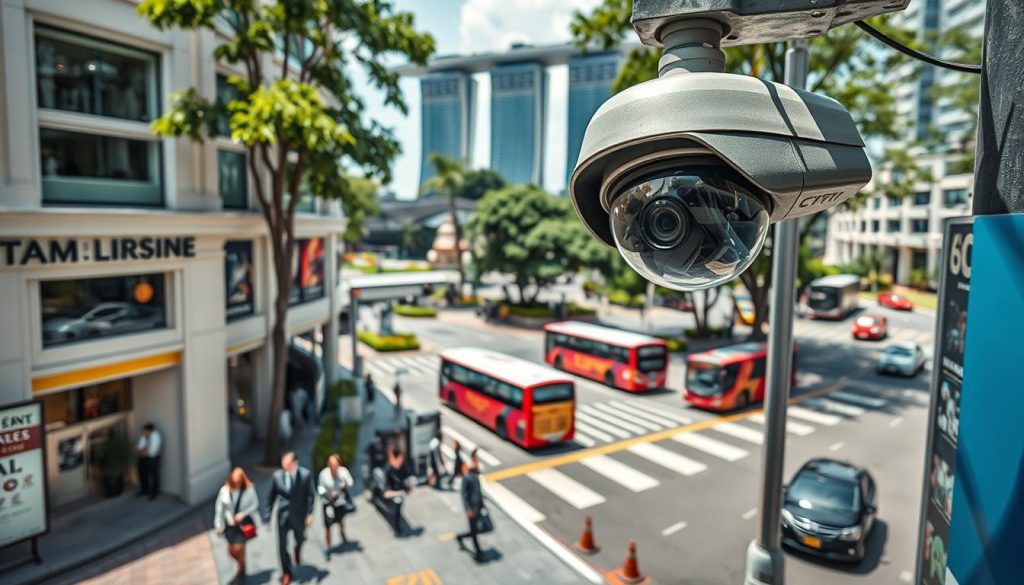
Singapore’s electrical infrastructure ranks among the world’s most reliable. The Energy Market Authority reports 99.999% grid reliability across the island. This exceptional performance minimizes extended power disruptions.
The SP Group’s distribution network experiences minimal downtime annually. Their 22kV system averages just 0.3 minutes of interruption per year. This reliability reduces backup power requirements compared to other regions.
Local Power Grid Reliability and Climate Factors
Tropical conditions significantly affect equipment performance and longevity. Average temperatures of 35°C reduce battery efficiency by approximately 18%. This thermal impact shortens backup runtime during outages.
High humidity accelerates component corrosion in outdoor installations. IP66-rated enclosures provide essential protection against moisture intrusion. These sealed units prevent damage from Singapore’s 1700mm annual rainfall.
National Environment Agency guidelines influence cooling requirements. The Pollutant Standards Index dictates ventilation needs for electronic equipment. Proper airflow prevents overheating during prolonged operation.
“Singapore’s tropical climate demands specialized equipment ratings and installation practices for reliable surveillance operation.”
Building and Construction Authority regulations address flood risks. Their guidelines recommend mounting security equipment 1.5 meters above ground level. This elevation protects systems during seasonal heavy rainfall events.
Urban density creates specific installation challenges. High-rise buildings require careful cable management and signal planning. These considerations affect both wired and wireless surveillance solutions.
Regulatory Standards and Certification
Singapore maintains strict certification requirements for security equipment. All surveillance systems must meet IMDA technical standards. These regulations ensure interoperability and performance reliability.
Personal Data Protection Act compliance affects system configuration. Recording retention policies must align with PDPA requirements. Most installations maintain footage for minimum thirty-day periods.
Equipment certifications include specific environmental testing. Units must demonstrate performance under tropical conditions. These tests verify operation at 35°C with 90% humidity levels.
Installation professionals require relevant certifications and licenses. The Police Licensing and Regulatory Department oversees security provider accreditation. Proper credentials ensure compliant system implementation.
Regular audits verify ongoing compliance with all regulations. These inspections check recording integrity and data protection measures. Documentation proves adherence during regulatory reviews.
Selecting appropriate equipment involves multiple considerations. Climate-rated components withstand Singapore’s environmental conditions. Regulatory-compliant systems avoid legal complications during operation.
Maintenance schedules adapt to local weather patterns. Frequent inspections prevent tropical climate damage. These practices extend equipment lifespan significantly.
A How-To Guide for Choosing the Right CCTV System
Selecting the perfect surveillance setup requires careful consideration of multiple factors. Your security needs, budget, and future requirements all play crucial roles in this decision. This guide helps you navigate the selection process with confidence.
Singapore’s unique environment demands specific equipment considerations. The tropical climate affects both outdoor durability and indoor performance. Regulatory compliance adds another layer to your selection criteria.
Assessing Your Security Needs: Residential vs. Commercial
Home protection differs significantly from business security requirements. Residential setups typically focus on entry points and perimeter monitoring. Most HDB units allow only two external cameras per household.
Commercial installations demand comprehensive coverage and advanced features. Retail spaces need theft prevention and customer flow analysis. Industrial sites require rugged equipment for challenging environments.
Consider your specific threat scenarios when planning your system. Identify vulnerable areas that need constant monitoring. Determine whether you need 24/7 recording or motion-activated capture.
“The right security system balances protection needs with practical constraints and future expansion possibilities.”
Storage requirements vary based on recording quality and duration. Residential systems often use 1-2TB for basic needs. Commercial installations may require 8TB or more for extended retention.
Future-Proofing Your Investment with Scalable Technology
Technology evolves rapidly, making scalability essential for long-term value. ONVIF Profile S/T compliance ensures compatibility with future upgrades. This standard allows mixing brands while maintaining full functionality.
Power over Ethernet infrastructure offers excellent expansion potential. Each cable delivers both data and electricity to connected devices. This approach simplifies adding new units as needs grow.
Cybersecurity features become increasingly important each year. PSIA’s 2025 roadmap emphasizes enhanced protection against digital threats. Choose systems with regular firmware updates and encryption capabilities.
Video analytics represent the next frontier in surveillance technology. IMDA’s 2024 grants encourage adoption of smart detection features. These systems can identify specific behaviors or objects automatically.
RAID 6 redundancy protects critical footage in large-scale installations. This technology spreads data across multiple drives for fault tolerance. Even two drive failures won’t result in data loss.
Integration capabilities with smart building frameworks add significant value. BCA’s Smart Building Framework supports seamless connectivity with other systems. This approach creates comprehensive property management solutions.
Budget considerations should include both initial and long-term costs. PoE systems often show better CapEx savings versus analog alternatives. Factor in maintenance, upgrades, and potential expansion expenses.
Vendor reliability impacts your system’s long-term performance. Choose established companies with strong local support networks. Check references and review maintenance service agreements carefully.
Create detailed specifications based on your specific requirements. Include resolution needs, storage capacity, and special features. This document ensures you get exactly what you need from suppliers.
Securing Your Property with Confidence and Knowledge
Understanding surveillance technology limitations empowers better security decisions. Power loss immediately stops all monitoring functions, creating potential protection gaps.
Backup solutions ensure continuous operation during electrical disruptions. Battery systems and solar alternatives provide reliable coverage when needed most.
Proper maintenance preserves system integrity over time. Regular checks verify functionality and prevent unexpected failures.
Choose equipment matching your specific security requirements. Consider environmental factors and legal obligations in Singapore.
Professional installation guarantees optimal performance from day one. Ongoing support maintains protection through changing conditions.
Take action today to assess your current setup. Implement improvements that deliver peace of mind tomorrow.
FAQ
Can security cameras work without electricity?
Most surveillance systems require a constant power supply to function. Without electricity, traditional units stop recording immediately. Battery backups or solar options provide alternative energy sources during outages.
What happens to video footage during a blackout?
Standard setups lose recording capabilities once power fails. Systems with uninterrupted power supply (UPS) or local storage like SD cards may continue saving clips temporarily based on their design.
Do all security systems have battery support?
Not every model includes built-in batteries. Many professional installations use external UPS devices to maintain operation. Consumer-grade products sometimes feature internal power reserves for short durations.
How long can backup power last for surveillance equipment?
Duration depends on battery capacity and energy consumption. Typical UPS systems offer 30 minutes to several hours. Solar-charged solutions can extend operation indefinitely with sufficient sunlight.
Will motion detection work during power mode switching?
Advanced systems with seamless failover support maintain functionality during transitions. Basic models might experience brief interruptions until backup power fully engages.
Are there legal concerns regarding recording gaps?
Regulations like Singapore’s PDPA require reasonable security measures. Businesses must ensure compliance through adequate backup solutions to prevent data loss during interruptions.
What features help maintain surveillance during outages?
Look for systems with redundant power inputs, local storage options, and low-power modes. Cloud synchronization upon restoration provides additional protection for critical footage.
How does climate affect backup power performance?
Extreme temperatures impact battery efficiency and lifespan. Singapore’s tropical conditions require regular maintenance checks and potentially climate-controlled enclosures for optimal reliability.


