
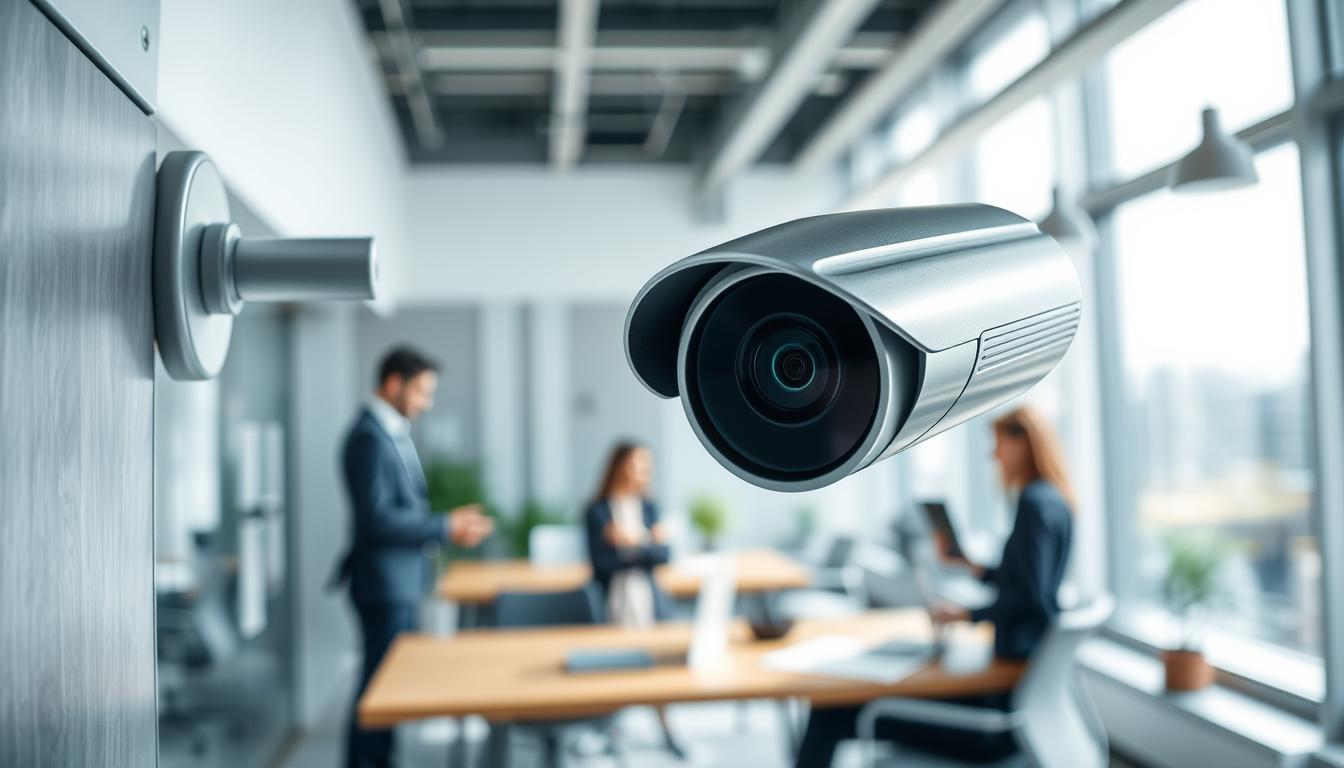
CCTV Camera Functionality Without Red Light Explained
Many people believe surveillance devices need a glowing red indicator to operate. This common assumption creates confusion about modern security systems. Today’s technology offers discreet alternatives to visible status lights.
Advanced recording equipment often functions with hidden indicators or infrared illumination. These features maintain full operational capability while appearing inactive. For homeowners and businesses in Singapore, this balance is particularly valuable.
The city’s dense urban environment demands security that blends in aesthetically. Discreet monitoring solutions provide reliable protection without visual intrusion. Infrared technology enables clear recording in various lighting conditions.
High-resolution video capture works independently of any status light. Understanding this helps select appropriate systems for different settings. This guide explores technical details and practical considerations for Singapore.
Key Takeaways
- Modern surveillance devices do not require visible status lights to function properly.
- Infrared and other technologies allow for discreet operation in low-light conditions.
- High-quality recording continues regardless of external indicator visibility.
- Singapore’s urban landscape benefits from security systems that maintain aesthetics.
- Choosing the right equipment involves balancing deterrence with discretion.
- Technical functionality is separate from visual status indicators.
Understanding the Role of the Red Light on Your CCTV Camera
Indicator lights provide immediate feedback about your security system’s status. These small LEDs act as visual communicators for your surveillance equipment. They tell you at a glance whether your protection is active and functioning.
Understanding these signals helps you monitor system health. It also clarifies when missing indicators are normal versus problematic. This knowledge is essential for maintaining reliable security.
The Primary Purpose: Status and Deterrence
Status LEDs on professional surveillance devices serve as instant diagnostics. A solid glow typically confirms active video capture. Blinking patterns may indicate connectivity or power issues.
The psychological impact of visible indicators is significant. Studies show they can reduce perimeter breaches by signaling active monitoring. This deterrence factor is valuable for both homes and businesses.
Modern equipment balances visibility with discretion needs. Some environments benefit from obvious status lights. Others require more subtle operation without compromising security.
Different Colors and Their Meanings in Operation
Various colors communicate specific information about your surveillance system. Red usually means active recording is happening right now. Green often indicates the unit is powered but currently idle.
Blue lights frequently show network activity or data transfer. Traditional CCTV systems commonly use steady red indicators. Modern IP cameras may combine colors for multi-status alerts.
Blinking patterns require special attention from users. Slow blinking might mean the device is booting up. Rapid flashing could signal failed network connections or other errors.
Fake security cameras often use different light patterns. They might have constant illumination without realistic blinking. Genuine equipment displays logical sequences matching actual operations.
Visible Indicator vs. Infrared Illumination: Knowing the Difference
This distinction is crucial for proper system understanding. Visible status LEDs are designed for human observation. Infrared illumination operates at wavelengths invisible to our eyes.
Infrared technology enables night vision functionality. It has nothing to do with showing operational status. Many units use both features independently of each other.
Your equipment might have active infrared without any visible glow. This is completely normal for discreet night recording. The absence of a red light doesn’t mean recording has stopped.
These indicators serve as immediate visual confirmation for users. They establish baseline knowledge for troubleshooting. Knowing this helps identify when to investigate further.
How Infrared Technology Enables Discreet Night Vision
Discreet night operation in surveillance equipment relies on infrared technology unseen by the naked eye. This invisible illumination lets monitoring systems capture clear footage in total darkness. The technology operates beyond the spectrum visible to humans.
Infrared LEDs emit light at specific wavelengths that security sensors detect. These components work together to produce usable nighttime video. The result is effective surveillance without obvious visual indicators.
The Science Behind Invisible Illumination: 850nm vs. 940nm IR
Human vision perceives light between 400 and 700 nanometers. Infrared illumination uses wavelengths from 650 to 950 nanometers. This places it outside our natural visual range.
The 850nm wavelength produces a faint red glow some people notice. It offers stronger illumination for longer distances. Many commercial security devices use this wavelength for its balance of power and subtlety.
Complete invisibility comes from 940nm infrared illumination. This wavelength remains undetectable to human eyes under all conditions. It provides maximum discretion for sensitive monitoring applications.
Singapore’s humid environment affects both wavelengths differently. Moisture in the air can scatter infrared beams. Higher quality systems compensate for this atmospheric interference.
How Your Smartphone Can Reveal Hidden IR Activity
Modern smartphone cameras detect infrared light that our eyes cannot see. The imaging sensors in these mobile devices capture a broader spectrum. This creates a simple verification method for homeowners.
Point your phone’s camera at an active surveillance unit at night. Look for faint purple or white glow on the screen. This confirms the infrared LEDs are functioning properly.
Different phone models show varying sensitivity to infrared wavelengths. Newer devices often have better filters that block more IR light. Older smartphones typically reveal the illumination more clearly.
This trick helps verify system operation without specialized equipment. It provides peace of mind about your security investment. Regular checks ensure consistent performance over time.
Advanced Features: From IR Cut Filters to ColorX Technology
Infrared cut filters automatically switch between day and night modes. During daylight, this filter blocks IR light for accurate color reproduction. At night, it moves aside to allow maximum infrared sensitivity.
This mechanical component ensures optimal image quality in all conditions. It protects the image sensor from excessive infrared exposure during daytime. The transition happens seamlessly based on ambient light levels.
ColorX technology represents a significant advancement in low-light performance. Developed by Hikvision, it enhances color reproduction in near-darkness. Similar innovations like Dahua’s Starlight provide exceptional sensitivity.
These systems use larger sensors and advanced processing algorithms. They capture more light particles for clearer footage. The result is detailed video with reduced graininess.
Maintaining infrared systems in tropical climates requires specific attention. Regular cleaning prevents dust accumulation on LED arrays. Proper ventilation reduces heat buildup that can shorten component lifespan.
Choosing between 850nm and 940nm involves considering your specific needs. The former offers better illumination distance for large properties. The latter provides complete stealth for discreet monitoring applications.
Can a CCTV Camera Work Without Red Light? The Definitive Answer
A common misconception persists that recording devices must display active status lights to function properly. The straightforward answer is yes, surveillance equipment can operate perfectly without any visible indicators. Modern engineering separates core functionality from visual status signals.
Many advanced monitoring devices maintain complete discretion while capturing footage. Understanding this distinction helps users interpret their equipment’s behavior correctly. It also prevents unnecessary concern about missing status lights.
Scenarios Where No Light Means Perfectly Normal Operation
Daylight operation often deactivates infrared features automatically. Sufficient ambient light makes additional illumination unnecessary. Your equipment might appear completely inactive during daytime hours.
Professional installations frequently disable LEDs during stealth monitoring. This intentional design choice prioritizes subtlety over visible confirmation. Many commercial setups use hidden status indicators for discreet security.
Legitimate scenarios include activated stealth modes and custom configurations. Network connectivity issues might not affect recording functionality. The absence of a visible signal doesn’t always indicate malfunction.
Singapore’s high humidity can sometimes affect indicator visibility. Moisture accumulation might dim LED brightness temporarily. This environmental factor rarely impacts actual recording capability.
Technical Reasons for Missing Indicators in Modern Systems
Infrared cut filters play a crucial role in indicator behavior. These mechanical components switch between day and night modes automatically. During transitions, visible status lights might deactivate temporarily.
Power surges represent another technical consideration. Electrical fluctuations can damage LED circuits specifically. The core recording functionality often continues unaffected by such damage.
Modern firmware includes sophisticated power management features. These systems optimize energy consumption across all components. Status indicators might receive lower priority during resource allocation.
“Enterprise security solutions increasingly prioritize subtle operation over visible deterrence. The industry trend moves toward completely unobtrusive monitoring systems.”
Automatic settings adjust based on ambient conditions and user preferences. Your equipment might enter low-profile modes during specific hours. This intelligent adaptation enhances both discretion and efficiency.
Professional vs. Consumer-Grade Cameras: A Key Distinction
Enterprise solutions typically offer more indicator control options. Commercial installations emphasize subtle operation in sensitive environments. Many professional models feature completely hidden status confirmation.
Consumer-grade equipment often emphasizes visible deterrence. Home security systems might prioritize obvious status signals. This design philosophy addresses different user expectations and needs.
The distinction becomes crucial when evaluating equipment behavior. Professional installations might appear inactive while functioning perfectly. Home systems typically provide more visible operational confirmation.
Singapore’s diverse security landscape accommodates both approaches. Residential areas might benefit from visible deterrents. Commercial spaces often require more discreet monitoring solutions.
Understanding these differences helps interpret equipment behavior accurately. It also guides appropriate responses to missing status indicators. Professional consultation can clarify specific system characteristics.
Common Reasons Your CCTV Camera’s Red Light is Off
A dark indicator on your surveillance device can be puzzling. It often points to a few common and fixable issues.
Understanding these causes helps you diagnose problems quickly. You can then determine if action is needed.
Power Supply Issues: The Number One Culprit
Electrical problems are the leading cause of indicator failure. Studies show they account for nearly 40% of all cases.
Mismatched or unstable voltage is a primary concern. Multimeter readings below 11V often trigger protective shutdowns.
The status light circuit may deactivate to preserve core functions. Your unit might still record video without the visible signal.
Power supply irregularities cause approximately 40% of all status indicator malfunctions in security systems.
Faulty adapters or transformer boxes are frequent offenders. They can provide enough energy for basic operation but not for LEDs.
In Singapore, grid fluctuations during storms can also contribute. Using a quality surge protector is a wise precaution.
Activated Stealth Mode or Manufacturer Design Choices
Many modern units offer a stealth or privacy mode. This feature intentionally disables all external illumination.
It is a design choice for discreet monitoring. The equipment functions fully while appearing inactive.
Some manufacturers build models without any status lights. These are aimed at covert surveillance applications.
Check your device’s configuration menu for such settings. A disabled indicator might be perfectly normal in this scenario.
Distinguishing between intentional stealth and a malfunction is key. Review your user manual or system settings first.
Wiring Faults and Connection Problems
Physical damage to cables disrupts power delivery. Even if the main circuit works, the LED pathway can fail.
Loose connectors are a typical source of trouble. They create intermittent contact that affects secondary functions first.
Singapore’s high humidity accelerates corrosion on metal contacts. This greenish oxidation increases electrical resistance.
Rodent damage or weatherproofing breaches expose wires. Moisture ingress then leads to short circuits or corrosion.
Inspect all cables from the device to the power source. Look for pinch points, cuts, or damaged insulation.
Firmware Glitches and Configuration Settings
The software controlling your hardware can develop errors. A firmware glitch might turn off the status light incorrectly.
Sometimes, a recent update introduces compatibility issues. The new code may not handle the indicator properly.
Configuration errors are another possibility. A user might accidentally change a setting that controls LED behavior.
Privacy masks or scheduling features can disable lights during certain hours. Your system may be following programmed rules.
A simple reboot often resolves temporary software problems. For persistent issues, consider a firmware reset or reinstall.
Professional systems sometimes disable indicators during specific operational modes. This is an automatic function to optimize performance.
Step-by-Step Guide to Diagnosing a Non-Working Red Light
Diagnosing missing status indicators requires methodical testing rather than guesswork. A systematic approach saves time and prevents unnecessary equipment replacement. Follow this logical sequence to identify the exact cause of illumination problems.
Begin with the simplest checks before moving to complex tests. Document each step’s results for future reference. This process applies to both residential and commercial security installations.
Initial Safety and Visual Inspection Checklist
Always prioritize personal safety before touching any components. Turn off power at the circuit breaker when examining wiring. Wear insulated gloves if checking live connections becomes necessary.
Perform a thorough visual examination of all physical elements. Look for obvious damage to housings, lenses, or cables. Check for insect nests or vegetation blocking ventilation ports.
Inspect power adapters for swollen capacitors or burn marks. Verify all connection points are secure and free of corrosion. Singapore’s humidity accelerates oxidation on metal contacts.
Examine the indicator LED itself under magnification if possible. Look for physical damage to the tiny light component. Sometimes the bulb fails while other functions remain operational.
Using a Multimeter to Test Power at the Source
A digital multimeter provides definitive voltage measurements. Set the device to DC voltage scale for most surveillance equipment. Test at multiple points along the power delivery chain.
Begin at the power adapter’s output terminals. Proper readings should show 11.5 to 12.5 volts DC. Values outside this range indicate adapter failure.
Next, measure voltage at the unit’s input terminals. Compare this reading with the adapter output measurement. Significant voltage drop suggests cable resistance problems.
Finally, check voltage across the indicator LED circuit if accessible. Some models have test points marked on circuit boards. Consistent power delivery eliminates electrical supply issues.
For comprehensive guidance on monitoring equipment status, review this detailed resource on verifying surveillance system operation.
The Swap Test: Checking with a Known Working Camera
This elimination method isolates the problem source efficiently. Use an identical, functioning unit from another location. Exchange only one component at a time during testing.
First, swap the entire surveillance device with a working one. Use the same power supply and cables from the original setup. If the new unit’s indicator lights function, the original device has internal issues.
Next, test the original equipment with known-good cables and adapters. Connect it to power and video connections that definitely work. A functioning indicator now points to previous connection problems.
Finally, test the suspect cables and adapters with the working unit. This confirms whether these components cause the illumination failure. Document which combinations produce which results.
Verifying Video Output on a Test Monitor or DVR/NVR
Visual indicator absence doesn’t always mean recording has stopped. Confirm actual functionality through direct video verification. Connect the equipment to a test monitor using short, known-good cables.
Check for live feed display on the screen. Look for timestamp overlays and motion detection indicators. These confirm the processing system operates normally.
Access the recording system’s interface remotely if possible. Review recent footage from the specific channel in question. Continuous video capture proves core operations continue.
Monitor network switch activity LEDs for data transmission. Blinking lights show information flowing from the surveillance device. This indirect confirmation helps when direct viewing isn’t possible.
Singapore technicians recommend this multi-point verification approach. It addresses both obvious and subtle equipment issues systematically.
Power Supply Troubleshooting for Singaporean Homes
Electrical stability forms the foundation of any reliable surveillance system in Singapore’s challenging climate. The island’s tropical environment creates unique power challenges that affect equipment performance differently than temperate regions. Humidity accelerates corrosion on connectors while monsoon rains test weatherproofing seals repeatedly.
Understanding these local factors helps homeowners maintain consistent protection. Proper troubleshooting begins with recognizing climate-specific failure patterns. This knowledge prevents unnecessary equipment replacement and reduces maintenance costs over time.
Checking Voltage Stability in Singapore’s Climate
Consistent voltage delivery is crucial for electronic devices operating here. Singapore’s 230V AC infrastructure requires proper grounding for safety. Temperature fluctuations between day and night affect transformer performance significantly.
Use a digital multimeter to verify stable 12V DC power with ±5% tolerance. Measure at the device’s input terminals during peak afternoon heat. Compare this reading with measurements taken during cooler evening hours.
Voltage drops in long cable runs are common in larger properties. Each additional meter of cable introduces resistance that reduces available power. Undersized transformers overheat in sustained 30°C+ temperatures, degrading their output capacity.
Installation professionals recommend testing under realistic load conditions. Connect all intended devices to simulate actual usage patterns. Record measurements over several days to identify recurring instability patterns.
Identifying and Fixing Power Adapter Failures
Power adapter failures represent a frequent source of equipment malfunction. Tropical humidity penetrates imperfect seals, causing internal component corrosion. The resulting electrical resistance reduces available current to connected devices.
Common symptoms include intermittent operation and unexpected reboots. The adapter housing may feel unusually warm during normal use. Some units produce audible buzzing or clicking sounds when failing.
“Transformer overheating accounts for approximately 35% of power-related surveillance equipment failures in Southeast Asian climates according to regional technical surveys.”
Replacement adapters must match original specifications precisely. Verify output voltage, current rating, and connector polarity before purchasing. Consider waterproof models rated IP65 or higher for outdoor installations.
For multi-device setups, calculate total power requirements accurately. Pan-tilt-zoom units typically draw more current than fixed-position models. Add a 20% safety margin to accommodate future expansions or accessory additions.
Solutions for Unstable Grid Power and Surges
Singapore’s electrical grid is generally reliable but experiences occasional instability. Thunderstorm activity introduces surges that can damage sensitive electronics. Implementing proper protection safeguards your security investment effectively.
Voltage stabilizers maintain consistent output despite input fluctuations. These devices are particularly valuable for areas with known grid issues. Look for models with fast response times under 10 milliseconds.
Uninterruptible power supply units provide backup during brief outages. They ensure continuous recording during transitional power events. Select UPS systems with sufficient runtime for your specific configuration needs.
Surge protectors designed for tropical environments offer enhanced protection. Multi-stage designs handle both large lightning-induced spikes and smaller everyday surges. Whole-house models installed at the electrical panel provide comprehensive coverage.
Weatherproof junction boxes prevent moisture ingress at connection points. These enclosures maintain dry conditions for splices and terminators. Regular inspection ensures seals remain intact through seasonal weather changes.
Power over Ethernet presents an alternative to traditional DC power distribution. PoE switches deliver both data and electricity through single cables. This approach simplifies installation and centralizes power management.
Consult licensed electricians for complex residential power issues. Professionals understand local regulations and safety requirements thoroughly. They can implement permanent solutions that DIY approaches might overlook.
Inspecting Cables and Connections for Hidden Faults
Nearly one-third of all system malfunctions originate from preventable wiring issues. Physical connections form the critical infrastructure linking components together. Regular inspection prevents unexpected failures in your monitoring setup.
Singapore’s tropical environment presents unique challenges for cable longevity. High humidity and seasonal rains test even robust installations. Proper maintenance routines identify problems before they disrupt operations.
Systematic checks follow a logical progression from power source to device. Visual examination reveals obvious damage while testing confirms electrical integrity. This approach saves time and prevents unnecessary component replacement.
Identifying Corrosion in Singapore’s High Humidity
Moisture accelerates oxidation on exposed metal contacts throughout the year. Coastal areas experience salt spray that compounds corrosion problems. Greenish discoloration on connectors indicates advanced oxidation issues.
BNC connectors in traditional setups are particularly vulnerable. Their exposed center pins and outer shells provide multiple corrosion points. Regular inspection every six months catches early warning signs.
Use IP67-rated weatherproof connectors for outdoor installations. These prevent approximately 92% of weather-related connection failures. Silicone grease applied to metal contacts creates additional moisture barriers.
Check junction boxes for condensation accumulation after heavy rains. Proper ventilation prevents water droplets from forming on internal components. Desiccant packets absorb residual moisture in enclosed spaces.
Checking for Rodent Damage and Weatherproofing Breaches
Rodents seek nesting materials and may chew through protective insulation. Certain Singaporean neighborhoods report higher rodent activity levels. Look for teeth marks and shredded cable sheathing along installation routes.
Weatherproofing breaches allow monsoon rain to penetrate connection points. Inspect cable entry points on housings for cracked sealant. Water ingress causes short circuits and accelerates corrosion processes.
“Preventable cable and connection issues account for nearly 30% of surveillance system failures in tropical climates, with humidity-induced corrosion being the primary culprit.”
Use metallic conduit or protective trunking in vulnerable areas. These physical barriers deter rodents and shield cables from environmental exposure. Regular visual inspections along the entire cable run identify compromised sections.
Test insulation resistance with a megohmmeter during routine maintenance. This reveals hidden damage not visible during casual examination. Address any readings below recommended thresholds immediately.
Ensuring Proper Termination of BNC and Ethernet Cables
Correct termination ensures reliable signal transmission and power delivery. Improperly crimped connectors cause intermittent operation and voltage drops. Each cable type requires specific tools and techniques for optimal results.
RG59 coaxial cables need properly centered center conductors. The braided shield must make solid contact with the connector body. Use quality compression tools rather than basic crimp tools for durability.
Ethernet cables require precise wire sequencing according to T568A or T568B standards. Untwisted wire pairs should not exceed 13mm to prevent crosstalk. Test each connection with a network cable tester before deployment.
Consider cable type suitability for Singaporean installations. CAT5e handles most residential applications adequately. CAT6 provides better performance for longer runs or higher bandwidth requirements.
Implement color-coded labeling at all connection points. This simplifies future troubleshooting and maintenance procedures. Accessible junction points allow easy testing without disrupting entire system segments.
Measure voltage drops across extended cable runs during installation. Excessive drops indicate undersized cables or poor connections. Proper planning prevents performance degradation over distance.
Establish quarterly testing routines for tropical climate maintenance. Check continuity, insulation resistance, and connection integrity. Document findings to track deterioration trends over time.
DVR and NVR Configuration Checks That Affect Indicators
Menu settings within modern security recorders provide precise control over visual status signals. Your digital video recorder or network video recorder acts as the brain of the entire setup. Its configuration dictates not just what is recorded, but how the connected devices present themselves.
An absent indicator often points to a software setting, not a hardware fault. Understanding these menus empowers you to customize your surveillance for both compliance and discretion. This is especially relevant in Singapore, where privacy regulations guide monitoring practices.
Navigating Menu Settings for LED Control
Finding the right menu option is the first step. Access your recorder’s main interface, either locally or via a web browser. Look for sections labeled “Camera Management,” “Device Configuration,” or “System Settings.”
Within these menus, you’ll typically find a sub-menu for “LED Control” or “Indicator Light.” Here, you can toggle the visibility of status signals for each connected unit. Some systems allow scheduling, turning lights off during specific hours.
Motion detection sensitivity can also influence indicator behavior. High sensitivity might trigger a brief blink upon detecting movement. This feature provides visual feedback that the system is actively analyzing the scene.
Always create a configuration backup before making changes. This allows for quick recovery if settings are adjusted incorrectly. Most recorders offer an export function for this exact purpose.
How Privacy Masks and Stealth Modes Disable Lights
Privacy mask configurations are designed to block recording in sensitive areas. When a mask is applied, the associated camera may automatically disable its status light in that zone. This prevents the light from drawing attention to a blind spot.
Dedicated stealth or privacy modes take this further. Activating this feature usually turns off all external illumination on the device. The unit continues to capture video fully while appearing completely inactive.
Major firmware updates in 2023 resolved over a dozen specific bugs related to LED control across leading brands, highlighting the importance of software maintenance.
This function is valuable for discreet operation in private areas or for covert security applications. It helps businesses in Singapore balance effective monitoring with Personal Data Protection Act (PDPA) guidelines regarding notice and consent.
The Importance of Firmware Updates and System Reboots
Firmware is the embedded software that controls your recorder’s core functions. Glitches in this software can cause status lights to behave erratically or not illuminate at all. Manufacturers regularly release updates to fix these bugs and improve stability.
Performing a scheduled system reboot clears temporary memory and resets all processes. This simple action can resolve temporary configuration glitches affecting your indicators. It’s a good first troubleshooting step before diving deeper into settings.
To verify active recording without relying on a visible light, check the system menus. Look for live feed thumbnails, recording schedules, and storage usage statistics. Network switch activity LEDs blinking steadily also confirm data is being transmitted.
Regular configuration audits ensure your settings remain optimal and compliant. Review your LED controls, privacy masks, and recording schedules quarterly. This proactive habit maintains reliable security and prevents unexpected behavior.
How to Verify Your Camera is Working Without the Red Light
Modern security systems offer multiple verification methods beyond a simple visual light. You can confirm full functionality even when status indicators are intentionally disabled or malfunctioning. This process provides essential peace of mind for your property’s protection.
Several practical techniques range from simple smartphone tricks to professional-grade diagnostics. Implementing these checks regularly ensures your investment delivers continuous security. Let’s explore the most effective ways to verify your equipment’s active state.
Confirming Active Recording Through Remote Access
Remote access applications provide the most direct proof of system operation. Log into your recorder’s mobile app or web interface from any location. A live video feed is the ultimate confirmation that your device is capturing footage.
Look for real-time streaming with a current timestamp overlay. Verify that motion-triggered alerts and notifications are being generated. This confirms the analytics engine is processing the scene actively.
Check the recording schedule and storage consumption within the app. Increasing storage usage indicates new video files are being written. This is a reliable sign of continuous recording activity.
Checking Network Switch Activity LEDs
Your network hardware offers silent confirmation of data transmission. Examine the Ethernet port on your router or switch where the camera is connected. A steadily blinking LED indicates packets are flowing to and from the device.
This light confirms network connectivity and data exchange. No blinking typically means the unit is offline or not transmitting. It’s a quick, hardware-level status check without accessing software.
Network activity LEDs provide a hardware-level confirmation signal that is independent of the camera’s own firmware or indicator circuits.
For Power over Ethernet (PoE) setups, also check for a solid power LED. This confirms the switch is delivering electricity to the unit. Together, these lights verify both power and data connectivity.
Using Professional Diagnostic Tools: Thermal Imagers and Lux Meters
Technicians use specialized tools for definitive verification. A thermal imaging camera detects heat signatures from operational electronics. An active unit typically shows a temperature between 35-45°C due to processor activity.
This method identifies functioning components even inside sealed housings. It’s perfect for confirming operation in complete stealth mode. Thermal scans reveal power supply issues or overheating problems as well.
A lux meter measures light intensity, including infrared illumination. Point it at your surveillance device in total darkness to detect IR output. This verifies night vision capability is active and properly calibrated.
Network scanners can identify all active devices on your network. They detect the specific IP address and open ports of your recording equipment. This confirms the device is online and communicating.
Practical DIY Verification Techniques
Your smartphone can detect invisible infrared emissions. Point your phone’s camera at the unit in a dark room. A faint purple or white glow on your screen confirms the IR LEDs are active.
Different phone models have varying sensitivity to infrared wavelengths. Older devices often show the glow more clearly. This simple test requires no special equipment.
Create a comprehensive verification checklist for regular security audits. Include these items:
- Remote app live view confirmation
- Network switch LED activity check
- Smartphone IR detection test
- Motion alert verification
- Storage usage monitoring
For complex issues or commercial installations, professional verification services are advisable. They possess the tools and expertise for a complete assessment. This ensures your surveillance systems remain fully operational year-round.
Decoding Manufacturer-Specific Indicator Systems
Understanding a manufacturer’s specific light codes transforms a simple indicator into a detailed diagnostic tool. Leading brands in the security industry have developed proprietary visual languages. These signals communicate everything from recording mode to network health.
Learning this language helps you troubleshoot problems quickly. It also confirms your equipment’s authenticity and operational state. This knowledge is essential for maintaining complex surveillance setups.
Axis Communications: Multi-Color LED Patterns
Axis devices often feature sophisticated three-color LED arrays. These indicators use combinations of red, green, and blue light. Specific patterns convey precise information about the unit’s status.
A steady red glow typically means active video capture is in progress. Blinking green usually indicates normal operation with network connectivity. A blue light often signals firmware updates or system boot processes.
Complex sequences can indicate specific issues. For example, alternating red and green might point to a configuration error. Consulting the official Axis documentation is key for decoding these advanced signals.
Hikvision and Dahua: Brand-Specific Signal Codes
Hikvision and Dahua, as major manufacturers, use distinct visual codes. Hikvision models frequently employ a bi-color indicator related to the IR-cut filter. A red LED commonly signifies the unit is in day mode with the filter engaged.
A blue illumination usually means night vision is active with infrared operation. Dahua systems often use rotating light sequences to indicate different alert levels. A slow pulse might mean motion detection is armed but idle.

A rapid flash could signal an active alarm or tamper event. These brand-specific behaviors provide a layer of instant diagnostics. They help users and technicians assess system health at a glance.
“Axis’s tri-color system, Hikvision’s IR-mode indicator, and Dahua’s alert sequences represent a move from simple status lights to rich, diagnostic communication channels in professional security hardware.”
Identifying Fake vs. Real Cameras by Their Lights
Counterfeit camera units often betray themselves through their indicator behavior. Fake devices usually have overly bright or erratic light patterns. They might feature a constant, harsh glow without the logical sequences of genuine equipment.
Authentic professional systems display purposeful blinking that matches internal processes. A fake unit may have a plastic lens and lack proper wiring connections inside. Its LED might be powered by a simple battery, not integrated into a circuit board.
Genuine Hikvision and Dahua indicators correlate with actual functions like recording or network activity. A fake dome camera might have a light that doesn’t change with ambient conditions. Always verify security equipment through authorized dealers to avoid these imitations.
Understanding these differences protects your investment and ensures reliable operation. It turns a visual check into a powerful verification step for your entire surveillance infrastructure.
When to Call a Professional CCTV Specialist in Singapore
Singapore homeowners face a critical decision point when their monitoring systems develop complex technical faults. Attempting advanced repairs without proper training often worsens the situation. Professional specialists possess the tools and certifications needed for reliable solutions.
Recognizing this threshold saves both time and money. It also preserves warranty coverage on expensive equipment. This guide outlines clear indicators that demand expert attention.
Recognizing Complex Hardware Failures Beyond DIY Fixes
Certain equipment problems reveal themselves through specific physical signs. Burn marks on circuit boards indicate serious electrical faults. Water damage affecting internal circuitry requires immediate professional assessment.
Multiple component failures simultaneously suggest systemic issues. These often stem from power supply problems or environmental stress. Singapore’s humidity accelerates corrosion in unprotected electronics.
Board-level component failures require certified technicians in most cases. Statistics show professionals handle 92% of these complex repairs successfully. DIY attempts at micro-soldering usually cause further damage.
“Unauthorized repairs void warranty coverage on 78% of enterprise security systems, making professional service essential for protected equipment.”
Persistent issues after basic troubleshooting signal deeper problems. Intermittent failures that defy pattern recognition need expert diagnostics. Specialists use thermal imagers and advanced meters homeowners lack.
The Cost-Benefit Analysis of Professional Repair
Singaporean service calls typically range between SGD 80 to SGD 150. This investment often proves cheaper than repeated DIY attempts. Mistakes by untrained individuals can triple final repair costs.
Consider the value of your time when evaluating options. Professionals complete repairs in hours rather than days. They also provide warranties on their workmanship.
Replacement versus repair decisions require technical insight. A specialist can assess whether fixing existing equipment makes financial sense. They consider age, model availability, and integration with current systems.
Professional diagnostics identify root causes rather than symptoms. This prevents recurring issues that drain resources over time. Proper maintenance solutions extend equipment lifespan significantly.
Finding PSB-Certified Technicians and Trusted Services
The Productivity and Standards Board (PSB) certification marks qualified professionals in Singapore. This accreditation ensures technicians meet national competency standards. Always verify certification before engaging any service provider.
Look for companies with proven track records in security system maintenance. Check online reviews and ask for local references. Established providers typically offer more comprehensive support packages.
Prepare for service visits to maximize efficiency. Create a list of all observed issues and symptoms. Note when problems first appeared and any changes you’ve made.
Provide clear access to all equipment during the service call. This includes DVR/NVR units, monitors, and power supplies. The technician will need to test the complete system thoroughly.
For immediate assistance with surveillance system problems, contact experts at +65 60135960. Certified professionals can schedule prompt assessments of your security setup.
Situations that definitely warrant specialist intervention include:
- Visible burn marks or melted components
- Water ingress affecting internal electronics
- Multiple cameras failing simultaneously
- Recurrent issues after basic troubleshooting
- Warranty-covered equipment requiring service
- Integration problems with existing security systems
Professional maintenance ensures year-round protection for your property. It represents a smart investment in reliable security solutions.
Preventative Maintenance for Reliable CCTV Operation
Selecting the Right CCTV Camera for Singapore’s Environment
Singapore’s tropical environment demands specialized security solutions that can withstand humidity, rain, and heat. Choosing monitoring equipment requires understanding how local conditions affect long-term performance. The right selection ensures reliable protection through monsoon seasons and intense sunshine.
Environmental factors directly impact equipment durability and functionality. High humidity accelerates corrosion on metal components. Frequent rainfall tests weatherproofing seals repeatedly.
Proper planning prevents premature system failures. This guide covers essential specifications for Singaporean installations. You will learn about weather ratings, power options, and trusted brands.
Essential Weatherproof Ratings: IP66 and IP68 Explained
Ingress Protection ratings determine equipment resilience against environmental elements. The IP code consists of two numbers following the “IP” prefix. The first digit indicates protection against solid objects like dust.
The second digit represents liquid ingress protection. IP66-rated housings offer complete dust protection. They also withstand powerful water jets from any direction.
IP68 provides superior protection for challenging installations. These units survive continuous immersion in water. They are ideal for areas experiencing direct monsoon exposure.
IP68-rated housings prevent monsoon damage by sealing out water and dust completely, making them essential for Singapore’s rainy season.
Singapore’s climate requires at minimum IP66 certification for outdoor equipment. Coastal installations benefit from IP68’s enhanced corrosion resistance. Always verify ratings through official manufacturer documentation.
Power Considerations: PoE vs. DC for Outdoor Use
Power delivery methods significantly affect outdoor system reliability. Power over Ethernet combines data and electricity in one cable. Traditional DC systems use separate power adapters and cables.
PoE simplifies installation by reducing cable requirements. It centralizes power management through network switches. Voltage drops become problematic over longer cable distances.
DC power often proves more reliable in challenging weather conditions. Studies show PoE reliability drops 23% in outdoor monsoon conditions compared to DC systems. Separate power supplies isolate electrical issues from network problems.
Consider these factors for Singaporean installations:
- PoE advantages: simpler installation, centralized management
- DC advantages: better weather resilience, independent systems
- Hybrid solutions: combining both methods for critical areas
- Backup power: uninterruptible supplies for continuous operation
Evaluate cable run lengths before choosing your power method. Longer distances favor DC power with proper voltage regulation. Always include surge protection for tropical climate installations.
Trusted Brands and Models for Tropical Durability
Certain manufacturers design equipment specifically for challenging environments. Their products undergo rigorous testing for humidity and temperature extremes. Singapore’s conditions require proven tropical durability.
Axis Communications leads in reliability statistics for the region. Their equipment shows 98.3% reliability rates in Singaporean installations. Enterprise-grade models feature enhanced corrosion protection.
Reolink offers affordable weatherproof options for residential use. Their turret and bullet designs withstand heavy rainfall effectively. Budget-conscious homeowners find good value here.
Dahua provides mid-range tropical packages with balanced features. These systems handle humidity well while maintaining good image quality. They suit small business applications perfectly.
Hikvision delivers enterprise-grade durability for large installations. Their specialized housings protect against environmental stressors. Commercial properties benefit from their robust construction.
Always verify PSB Singapore certification before purchasing any equipment. This ensures compliance with local standards and regulations. Look for IMDA approval for network-connected devices.
Consider these selection criteria for Singapore:
- Minimum IP66 rating for all outdoor placements
- Corrosion-resistant materials in construction
- Wide operating temperature ranges (-10°C to 50°C)
- Humidity tolerance up to 90% non-condensing
- UV-resistant housing materials for sun exposure
Future-proof your investment with scalable system designs. Choose equipment compatible with emerging technologies. Ensure upgrade paths exist for expanding your security coverage.
Proper selection today prevents maintenance headaches tomorrow. Match equipment specifications to your specific location challenges. Consult professionals for complex multi-camera installations.
Legal and Security Considerations for Stealth Operation
Implementing discreet monitoring features requires careful navigation of Singapore’s legal landscape. The balance between effective protection and privacy rights is clearly defined by local regulations. Understanding these rules ensures your security solutions remain both functional and compliant.
Proper documentation prevents approximately 80% of privacy-related complaints according to industry studies. This makes legal awareness equally important as technical knowledge. Your monitoring approach must respect both security needs and individual rights.
Singapore’s PDPA and Guidelines for Covert Surveillance
The Personal Data Protection Act establishes clear boundaries for monitoring activities. This legislation governs how organizations collect, use, and disclose personal data. It applies directly to video surveillance capturing identifiable individuals.
Covert installations require specific justification under PDPA guidelines. Legitimate purposes include criminal investigation or national security concerns. Businesses must document these reasons thoroughly before deploying hidden equipment.
The Protection from Harassment Act designates seven restricted zones. These areas have special limitations on recording devices. Understanding these zones prevents accidental legal violations.
“Organizations must notify individuals of the purposes for which they collect, use, or disclose personal data before or at the time of collection, unless an exception applies under the PDPA.”
Regular policy reviews ensure ongoing compliance with evolving regulations. Singapore’s framework emphasizes transparency even for discreet monitoring. Proper authorization processes protect both subjects and operators.
Balancing Deterrence with Discretion in Public and Private Areas
Visible monitoring equipment reduces incidents by 15-20% through psychological deterrence. This statistic highlights the value of overt installations in appropriate locations. Public spaces often benefit from clearly visible security measures.
Private areas may require more subtle approaches for various reasons. Residential settings balance security with resident privacy expectations. Discreet units maintain protection without creating discomfort.
Studies show different locations demand distinct strategies. Retail environments typically use visible deterrents to prevent theft. Corporate offices might blend discreet monitoring with visible units strategically.
Singapore’s dense urban environment complicates this balance further. Close proximity between public and private spaces requires careful planning. Professional assessment helps determine the optimal mix for each situation.
Required Signage and Notification for Legal Compliance
Public area installations demand clear signage at accessible heights. Regulations specify maximum placement at 2.4 meters for visibility. Notices must include contact information for data protection officers.
Sign content should explain the monitoring’s purpose clearly. Standard templates ensure all required information appears consistently. These notices fulfill PDPA notification requirements effectively.
Documentation proves compliance during regulatory reviews. Maintain records of signage placement dates and locations. Update these records whenever changes occur to your setup.
Restricted zones under POHA require special attention. Some areas prohibit monitoring devices entirely without specific permits. Verify zone boundaries through official government resources.
Implementing stealth features while remaining compliant involves several steps:
- Conduct privacy impact assessments before installation
- Document legitimate purposes for covert monitoring
- Install required signage in all appropriate locations
- Establish clear data retention and access policies
- Train staff on proper surveillance system operation
- Regularly review and update compliance documentation
Ethical considerations extend beyond legal requirements. Respect individual privacy while maintaining effective security. This balance ensures sustainable, responsible monitoring practices.
Singapore’s framework provides clear guidance for responsible surveillance. Following these regulations protects your organization from legal issues. It also maintains public trust in security measures.
Advanced Technologies Moving Beyond the Red Light
Next-generation security platforms are replacing visual signals with sophisticated operational verification methods. Traditional status indicators represent an outdated approach in modern protection infrastructure. Intelligent systems now confirm activity through multiple invisible confirmation layers.
These innovations maintain robust security while eliminating visual clutter. They represent the evolution toward smarter, more integrated monitoring solutions. Singapore stands at the forefront of implementing these advanced approaches.
AI-Powered Analytics and Alternative Status Notifications
Artificial intelligence transforms how surveillance systems confirm their operational state. Instead of relying on blinking LEDs, intelligent algorithms analyze behavioral patterns continuously. These systems detect anomalies and verify functionality through data analysis.
AI-powered platforms use encrypted audio tones for discreet confirmation. Vibration patterns within equipment housings provide tactile operational feedback. Cloud-based alerts deliver real-time status updates directly to authorized devices.
These alternative notification methods maintain security effectiveness. They reduce visual pollution in urban environments significantly. Singapore’s dense infrastructure benefits from this unobtrusive approach.
Behavioral analysis algorithms monitor typical scene patterns. They identify deviations that might indicate system issues. This proactive verification surpasses simple indicator checks.
LiDAR and Thermal Imaging for Invisible Confirmation
LiDAR technology projects invisible laser beams to verify system operation. These beams create precise spatial maps while confirming device functionality. The approach provides confirmation without any visible illumination.
Thermal imaging cameras detect heat signatures from active electronic components. Operating equipment generates distinctive thermal patterns. These patterns verify recording activity completely invisibly.
Both technologies enable comprehensive system verification. They work in total darkness and challenging weather conditions. Singapore’s variable climate makes these features particularly valuable.
LiDAR-based systems measure distances with millimeter accuracy. They confirm proper positioning and coverage areas simultaneously. This dual functionality enhances overall security effectiveness.
Thermal verification detects overheating components before failure occurs. It provides early warning for maintenance needs. This predictive capability extends equipment lifespan significantly.
The Future of Surveillance: Smart, Unobtrusive Systems
The surveillance industry is moving toward completely integrated smart solutions. These systems blend seamlessly with urban environments while providing robust protection. They represent the next evolution in security technology.
Singapore leads in implementing autonomous diagnostic drones for high-rise inspections. These drones verify system functionality across difficult-to-access locations. They provide comprehensive status reports without human intervention.
Blockchain-based activity ledgers create tamper-proof operation records. Each recording event generates an immutable digital certificate. This technology ensures verifiable system performance documentation.
“The integration of AI, LiDAR, and blockchain technologies represents a paradigm shift in how we verify and trust surveillance system operations, moving from visual indicators to cryptographic and algorithmic assurance.”
Smart city initiatives integrate surveillance systems with broader urban management platforms. These integrated solutions share data across multiple municipal functions. They enhance overall urban security and efficiency.
Emerging technologies are changing security system design best practices. Key considerations now include:
- Multi-layered verification approaches beyond visual indicators
- Integration with broader smart infrastructure networks
- Predictive maintenance through continuous system monitoring
- Cryptographic verification of all recorded activities
- Autonomous diagnostic capabilities for large-scale deployments
These advancements maintain protection while respecting urban aesthetics. They represent the future direction for security solutions worldwide. Singapore’s implementation provides a model for other cities globally.
Ensuring Year-Round Security with Confidence
Year-round protection depends on regular verification practices that go beyond checking for glowing status lights. Modern monitoring systems deliver reliable performance through multiple confirmation methods.
Establish routine checks using network activity indicators, smartphone IR detection, and voltage tests. These practices verify functionality when traditional visual cues are absent. Professional assessments ensure optimal operation and identify potential issues early.
For expert assistance with surveillance solutions in Singapore, contact professionals at +65 60135960. Trust certified installations for lasting protection with comprehensive maintenance support. Proactive management of your security infrastructure provides continuous peace of mind.
FAQ
Does a missing red light mean my surveillance system is broken?
Not necessarily. Many modern devices function perfectly without a visible indicator. A missing light can be due to activated stealth modes, specific manufacturer designs, or advanced infrared technology operating at a wavelength invisible to the human eye.
What should I check first if my security camera’s status light is off?
Begin with the power supply. Verify connections and test the adapter with a multimeter, as unstable voltage is a common culprit. Next, inspect cables for damage from humidity or pests, which is especially relevant in Singapore’s tropical climate.
How can I tell if my unit is recording when the indicator is not visible?
Access your system remotely via its mobile app or software to confirm live video and recording status. You can also check the activity LEDs on your network switch or router, which will flash with data transfer if the device is operational.
Are there legal issues with using a covert surveillance system in Singapore?
A> Yes, compliance is crucial. Singapore’s Personal Data Protection Act (PDPA) governs video recording. While discreet operation is often allowed on private property, appropriate signage is typically required in areas where individuals have a reasonable expectation of privacy.
Why do some professional-grade models from brands like Axis have complex light patterns?
Advanced systems use multi-color LEDs to communicate detailed status information—like boot-up sequences, network activity, or firmware update progress—far beyond a simple power-on signal. This aids in professional troubleshooting and diagnostics.
What weatherproof rating is essential for reliable performance outdoors in Singapore?
An IP66 rating is a minimum for protection against heavy rain and dust. For added assurance against prolonged moisture and high humidity, an IP68-rated housing is highly recommended for your security setup.
When is it time to call a specialist like those at +65 60135960 for help?
Contact a PSB-certified technician if basic troubleshooting fails, you suspect internal hardware failure, or need to reconfigure complex DVR/NVR settings. Professional assessment ensures your entire security system maintains optimal performance.


