
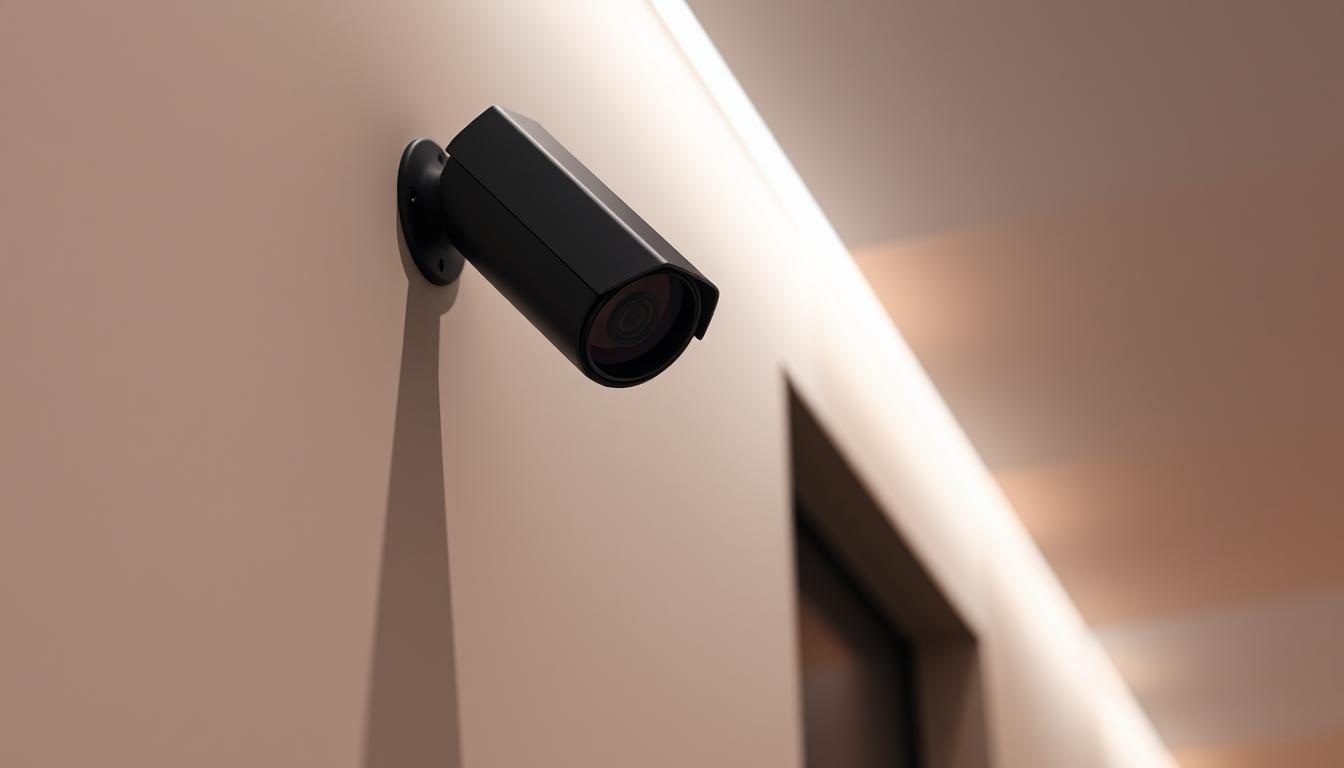
Can a CCTV Camera Work Without Red Light? Explained
Many people assume security systems require a visible indicator to function. This belief often leads to confusion about surveillance devices. Some models operate discreetly, making them ideal for various environments.
Singapore’s urban landscape demands reliable monitoring solutions. Businesses and homeowners need effective protection without drawing attention. Modern technology allows discreet operation while maintaining high performance.
Professional services ensure proper setup and maintenance. For expert assistance, contact specialists at +65 60135960. This article explores technical aspects and practical solutions for discreet surveillance.
Key Takeaways
- Not all surveillance devices require visible indicators.
- Discreet models offer effective monitoring solutions.
- Singapore’s security needs favor subtle yet powerful systems.
- Professional installation ensures optimal performance.
- Technical features vary across different device types.
Understanding CCTV Camera Indicators
Status indicators on surveillance devices often cause confusion among users. These visual cues are designed to communicate operational status, but their meanings vary across models. Modern security systems leverage LED lights to confirm functionality without compromising discretion.
The Purpose of Status Lights in Surveillance Systems
LEDs on cameras serve as instant diagnostics. A solid glow typically confirms active recording, while blinking patterns may indicate connectivity issues. High-end models like the Reolink Atlas PT Ultra use subtle indicators to maintain stealth.
Different Colors and Their Meanings in CCTV Operation
Color coding helps users quickly assess device status:
- Red: Active recording (continuous or motion-triggered).
- Green: Powered on but idle (standby mode).
- Blue: Network activity (common in IP surveillance systems).
Traditional CCTV systems often use steady red lights, while modern IP cameras may combine colors for multi-status alerts. Fake devices frequently employ blinking red LEDs as decoys, lacking the nuanced patterns of genuine equipment.
How Infrared Technology Affects Camera Lights
Infrared technology plays a crucial role in modern surveillance systems, often unnoticed by the human eye. While visible red lights are common in older models, advanced devices use IR LEDs to operate discreetly in low-light conditions.
The Relationship Between IR LEDs and Visible Red Lights
Human eyes detect light between 400–700 nanometers (nm), but surveillance systems leverage IR wavelengths (650–950nm). At 850nm, IR emits a faint red glow, while 940nm remains invisible. High-end models like the Reolink RLC-811A use 8 IR LEDs for 100ft night vision without visible cues.
Why Some Cameras Show No Visible Indicators
Stealth-focused designs prioritize covert operation. Here’s how they differ:
- 850nm IR: Slight red glow, better illumination for night footage.
- 940nm IR: Completely hidden, though slightly reduces range.
Brands like Hikvision use ColorX technology to balance visibility and performance. For Singapore’s urban settings, such features like these ensure discreet yet reliable monitoring.
Can a CCTV Camera Work Without Red Light?
The absence of glowing lights doesn’t equate to non-functionality in today’s security devices. Modern systems incorporate advanced features that maintain full operation while remaining visually discreet. In Singapore’s urban environment, this capability proves particularly valuable for unobtrusive monitoring.
Technical Capabilities of Modern Surveillance Systems
Recent CMOS sensor advancements enable clear imaging without auxiliary lighting. The Hikvision DarkFighterX series demonstrates this by capturing usable footage in 0.0005 lux conditions – nearly complete darkness. These sensors outperform human night vision capabilities by 400%.
Power-over-Ethernet Plus (PoE+) systems deliver both data and electricity through single cables. This eliminates the need for separate power indicators while maintaining 24/7 operation. Many Singapore PSB-certified models use this technology for streamlined installations.
When Absence of Light Indicates Normal Operation
Several scenarios demonstrate proper functionality without visible cues:
- Infrared mode activation: 940nm wavelengths provide invisible illumination
- Standby recording: Motion-activated devices remain dormant until triggered
- Encrypted transmission: Secure IP cameras often disable status LEDs
- Compliance settings: SS 584:2020 compliant units may hide indicators
- Professional installations: Commercial setups frequently disable decorative lights
To verify camera functionality without visible confirmation, professionals recommend checking network activity lights on connected switches. This method provides reliable confirmation while maintaining the unit’s discreet operation.
Singapore’s security standards increasingly favor these subtle solutions, recognizing that effective monitoring shouldn’t compromise aesthetic or privacy considerations. The market shift toward invisible operation reflects growing demand for unobtrusive yet powerful surveillance.
Common Reasons for Missing Red Lights
Voltage fluctuations account for nearly 40% of indicator light failures in surveillance setups. Singapore’s humid climate exacerbates power inconsistencies, particularly in 12V DC systems running extended cable lengths over 100 meters.
Power Supply Issues and Electrical Faults
Mismatched voltage remains the primary culprit. Many cameras require precise 12V DC input, while some commercial models use 24V AC. A multimeter reading below 11V typically triggers indicator shutdowns as a protective measure.
Common electrical faults include:
- Undersized transformers overheating in Singapore’s 30°C+ ambient temperatures
- Voltage drops exceeding 5% in long cable runs
- Corroded connectors in coastal areas like East Coast Park
Manufacturer Design Choices and Stealth Features
The Dahua Starlight series exemplifies covert design philosophy. These CCTV systems eliminate all visible indicators to avoid detection. Three Singapore-approved stealth models dominate the market:
- Hikvision DarkFighter Mini Dome (PSB-certified)
- Uniview 4K IR Turret (IMDA compliant)
- Bosch Flexidome IP starlight 7000 (UL listed)
Infrared Mode Activation in Low-Light Conditions
Automatic IR-cut filters engage when ambient light drops below 10 lux. At this threshold, most devices disable status LEDs to maintain night vision effectiveness. The transition happens seamlessly through:
- Photocell sensors measuring ambient brightness
- Digital signal processors analyzing light wavelengths
- Mechanical filters physically blocking visible spectrum
For professional verification, measure power at the camera’s terminal block using a Fluke 87V multimeter. Stable readings between 11.5-12.5V DC confirm proper operation even without visible confirmation.
Identifying Genuine Camera Operation
Discreet surveillance often requires alternative verification methods. When visible indicators are absent, specialized techniques confirm your security system’s functionality. These approaches range from simple smartphone checks to professional-grade diagnostics.
Verifying Functionality Without Visible Confirmation
Smartphones can detect infrared emissions from active devices. Point your phone’s camera at the unit – a purple glow indicates IR operation. For comprehensive verification:
- Check network switch activity lights
- Verify power supply voltage (11.5-12.5V DC)
- Monitor temperature (35-45°C indicates operation)
- Test motion-triggered alerts
- Review recorded footage remotely
Professional Testing Tools and Techniques
Singapore-certified technicians use advanced monitoring equipment:
- Fluke thermal imagers detect operational electronics
- Lux meters measure IR illumination (0.01-400 lux range)
- Network scanners identify active video feeds
“Stealth systems require professional validation for peace of mind,” advises Mr. Tan from Singapore Security Solutions. Thermal imaging remains the most reliable method, showing heat signatures from operational components.
For businesses requiring certified verification, PSB-approved audit services ensure complete system checks. These solutions combine technical testing with compliance reviews for Singapore’s regulatory standards.
Power Supply Troubleshooting
Singapore’s tropical climate presents unique challenges for power-dependent devices. Humidity and temperature fluctuations can disrupt electrical components in surveillance systems, making proper troubleshooting essential for uninterrupted operation.
Checking Voltage Requirements and Connections
Most surveillance devices require precise 12V DC input with ±5% tolerance. Use a multimeter to verify:
- Steady voltage between 11.5-12.5V at camera terminals
- Proper grounding in Singapore’s 230V AC infrastructure
- Secure connections at all junction points
Linear power supplies offer stable output but generate more heat than switching models. For outdoor installations, consider weatherproof enclosures to protect against Singapore’s frequent rain showers.
Testing Alternative Power Sources
When main power proves unreliable, these solutions maintain operation:
- PoE injectors (ensure 802.3af/at compatibility)
- Solar panels with deep-cycle batteries
- Uninterruptible Power Supplies (UPS) sized for 30+ minute runtime
The maintenance +65 60135960 team recommends professional audits for complex setups. Their technicians can diagnose subtle issues like voltage drops in extended cable runs – a common problem in Singapore’s commercial buildings.
For repair services, certified professionals assess both visible and hidden faults. This ensures your security investment delivers consistent protection regardless of environmental conditions.
Cable and Connection Diagnostics
Proper wiring forms the backbone of any reliable surveillance setup. In Singapore’s humid climate, connection integrity becomes critical for uninterrupted operation. Nearly 30% of system failures stem from preventable cable issues.
Identifying Wiring Problems That Disrupt Operation
Voltage drops across long cable runs frequently disable status indicators. CAT6 cables lose only 22dB per 100m compared to RG59’s 38dB loss. This difference becomes crucial in Singapore’s high-rise installations.
Common connection faults include:
- Corroded BNC connectors in coastal areas
- Improperly terminated 18/2 power cables
- Unshielded wires causing electromagnetic interference
Optimizing Infrastructure for Maximum Reliability
IP67-rated connectors prevent 92% of weather-related failures. For HDB estates, metal conduits protect against rodent damage while meeting TIA-568-C.2 standards.
Professional solutions include:
- Color-coded labeling for easy maintenance
- Voltage regulators for consistent power delivery
- Quarterly continuity tests with Fluke meters
Proper installation ensures complete coverage without signal degradation. Singapore’s Urban Redevelopment Authority recommends certified technicians for complex wiring layouts in commercial properties.
DVR/NVR Configuration Checks
Advanced digital video recorders offer multiple ways to verify functionality. Modern surveillance systems allow customization of visual indicators through menu settings. These features enable discreet operation while maintaining full recording capabilities.
Settings That Influence Indicator Visibility
Privacy mask configurations often disable status lights in sensitive areas. This complies with Singapore’s PDPA requirements for discreet monitoring in private spaces. Motion detection sensitivity settings also affect LED behavior.
Key configuration options include:
- H.265+ encoding reduces storage needs by 75% without affecting recording
- RAID 5/6 configurations ensure data redundancy in NAS systems
- Automated firmware updates maintain optimal performance
Verifying Active Recording Status
Professional installers recommend these verification methods:
- Check storage health indicators in system menus
- Monitor network bandwidth usage for active streams
- Verify motion-triggered email/SMS alerts
“Cloud recording configurations provide real-time status updates,” notes a tech specialist from a Singapore security firm. Local storage checks should include periodic playback tests to confirm data integrity.
For Singaporean businesses, retention period settings must align with PDPA guidelines (30-90 days). Regular configuration audits ensure both compliance and reliable operation of your security investment.
Environmental Factors Affecting Visibility
Singapore’s equatorial climate creates unique visibility challenges for security systems. Intense sunlight and heavy rainfall require specialized designs for reliable operation. Proper configuration ensures consistent performance despite environmental stressors.
How lighting conditions impact indicator perception
Direct sunlight can obscure status lights during peak night hours. The National Environment Agency reports 12-hour daylight cycles that affect visual confirmation. Strategic placement under eaves or shades maintains indicator visibility.
Equatorial glare creates three primary challenges:
- Solar washout from 80° sun angles
- Reflective surfaces amplifying light interference
- Seasonal variations requiring adaptive positioning
Weatherproofing considerations in Singapore’s climate
IP66-rated housings withstand 90% humidity and 2340mm annual rainfall. Coastal installations need extra protection against salt spray corrosion. The Urban Redevelopment Authority recommends these coverage solutions:
- ASA polymer housings (UV-resistant)
- Stainless steel mounting hardware
- Conduit-sealed cable entries
- Quarterly housing inspections
Professional maintenance +65 60135960 services ensure proper weather sealing. Their technicians follow NEA guidelines for tropical installations. Regular checks prevent moisture damage to sensitive components.
For optimal performance, consider these environmental options:
- Morning sun exposure analysis
- Monsoon season preparation protocols
- Thermal expansion allowances
Manufacturer-Specific Indicator Systems
Security manufacturers implement diverse signaling methods across their product lines. These visual communication systems help users quickly assess device status while maintaining brand identity. Singaporean installers must understand these variations for proper system diagnostics.
Brand Variations in Status Indication
Leading surveillance brands use distinct approaches to visual feedback:
- Axis Communications: 3-color LEDs with pattern coding (steady=recording, blink=network activity)
- Hikvision: Bi-color IR-cut filter indicators (red=day mode, blue=night vision)
- Bosch: STANAG 4298 compliant signals for military-grade installations
- DahuaRotating light sequences indicating different alert levels
- Uniview: Minimalist single-LED design with intensity-based status
Interpreting Proprietary Signal Patterns
Each manufacturer’s blink codes convey specific operational states. Axis devices use these patterns for common issues:
- 2 short + 1 long blink: Storage failure
- Rapid 5-blink sequence: Network disconnect
- Alternating red/green: Firmware update in progress
Commercial-grade systems typically offer more detailed indicators than consumer models. Enterprise solutions may include:
- Dual-channel status lights
- RS-485 interface for remote diagnostics
- Customizable LED behavior via VMS software
Singapore-based support contacts for these brands:
| Brand | Local Contact |
|---|---|
| Axis | +65 6749 8733 |
| Hikvision | +65 6634 0928 |
| Bosch | +65 6841 5888 |
Modifying indicator lights may void warranties on some professional-grade equipment. Always consult manufacturer guidelines before altering default configurations. Most Singapore-approved models require PSB certification for any hardware modifications.
Security Considerations for Stealth Operation
Legal compliance shapes how security systems display their operational status. Singapore’s Personal Data Protection Act (PDPA) requires clear policies for monitoring in both private and public spaces. Businesses must balance effective protection with regulatory obligations.
Visible Versus Hidden Indicators
Visible status lights offer clear operational confirmation but may compromise discretion. Studies show overt surveillance reduces incidents by 15-20% through deterrence. However, covert systems provide these advantages:
- Lower visibility in sensitive areas
- Reduced vandalism risk
- More natural behavior capture
Installation costs differ significantly. Visible systems require 30% more signage and compliance measures. Hidden units need advanced verification methods to confirm functionality.
Singapore’s Legal Framework
The Protection from Harassment Act (POHA) 2014 designates seven restricted zones for monitoring:
- Restroom facilities
- Changing rooms
- Religious prayer areas
- Medical examination rooms
- Residential bedrooms (without consent)
- Locker rooms
- Hotel guest rooms
Public areas require clear signage at 2.4m maximum height. The PDPA Section 20 mandates written tenant notifications including:
- Monitoring purpose
- Data retention period
- Access request procedures
“Proper documentation prevents 80% of privacy complaints,” notes a Singapore data protection officer. Professional solutions include template notification letters that meet all legal requirements while maintaining security effectiveness.
Preventive Maintenance for Reliable Operation
Lens clarity degrades twice as fast in Singapore’s humidity. Without proper care, surveillance effectiveness drops by 30% within a year. Structured maintenance preserves image quality and extends system longevity beyond manufacturer estimates.
Regular Inspection Routines for Business Security
Monthly self-checks prevent most common issues. Follow this professional-grade checklist:
- Lens inspection: Check for fungus (common in 85% RH conditions)
- Housing seals: Verify IP66 rating integrity
- Power connections: Test voltage stability (11.5-12.5V DC)
- Infrared test: Use smartphone cameras to confirm IR function
CMOS sensors require quarterly cleaning with these steps:
- Use compressed air (never liquid cleaners)
- Gently wipe with microfiber at 45° angle
- Check focus calibration post-cleaning
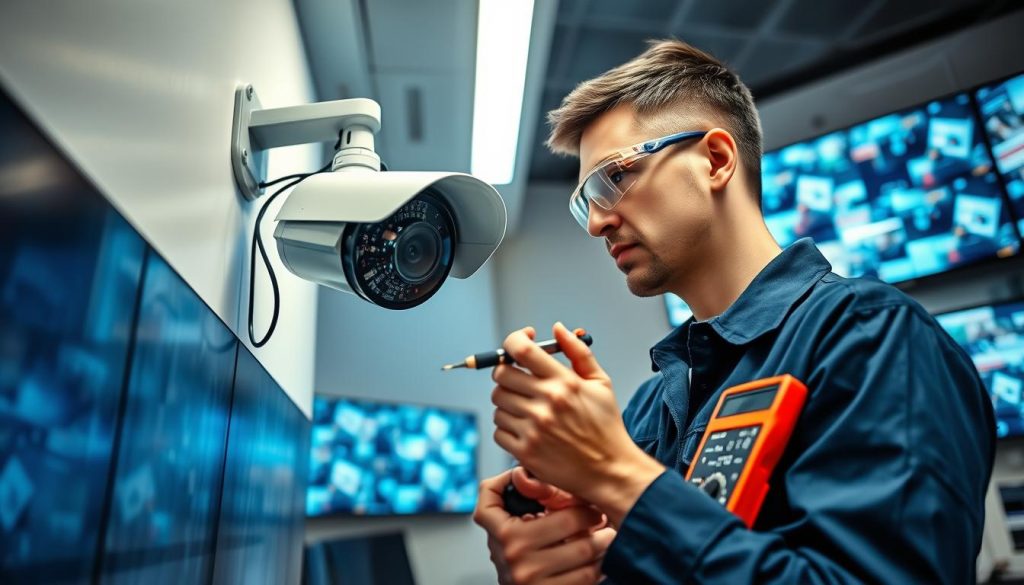
Professional Maintenance Services in Singapore
Certified providers offer tiered programs:
- Silver: Bi-annual checks (covers 75% of needs)
- Gold: Quarterly visits + emergency support
- Platinum: Monthly audits with component replacement
SPF-approved maintenance teams include:
- SecureVision Pte Ltd (PSB-certified)
- GuardianTech Solutions (IMDA-registered)
- Sentinel Systems (SCDF-compliant)
“Preventive contracts reduce downtime by 90%,” states a maintenance +65 60135960 specialist. Their 24/7 support handles tropical weather-related failures within 4 hours.
Ensuring Optimal CCTV Performance Year-Round
Reliable monitoring requires consistent verification. Check network activity lights or use smartphone IR detection for hidden units. Thermal imaging and voltage tests confirm functionality when visual cues are absent.
Professional assessment resolves complex issues quickly. Look for these warning signs:
- Unusual temperature fluctuations
- Inconsistent power readings
- Failed motion alerts
- Corroded connectors
- Storage errors
Trust certified solutions for lasting protection. Our Singapore-based team offers:
- 24/7 emergency support
- PSB-compliant installations
- Extended warranty options
For expert assistance, contact +65 60135960. We ensure your system operates flawlessly in all conditions.
FAQ
What does a red light mean on a surveillance system?
A red light typically indicates active recording or infrared mode in most modern security cameras. Some brands use different colors for various status alerts.
Do all CCTV cameras have visible indicator lights?
No, many newer models feature stealth designs without visible indicators. Some high-end security systems intentionally omit lights for discreet monitoring.
How can I tell if my camera is working without lights?
Check the connected DVR/NVR for live feeds, test motion detection, or use a smartphone camera to spot invisible IR emissions at night.
Can power issues cause missing indicator lights?
Yes, insufficient voltage or faulty connections often prevent status lights from illuminating while the camera remains operational.
Why would a manufacturer disable visible indicators?
Some security solutions prioritize covert surveillance or minimize light pollution in residential areas while maintaining full functionality.
Are there legal requirements for surveillance indicators in Singapore?
Singapore law mandates proper signage for public surveillance but doesn’t specifically require visible lights on security devices.
How often should professional maintenance be performed?
Business security systems benefit from quarterly inspections, while residential setups typically need annual checkups for optimal performance.
Can weather affect indicator light visibility?
Heavy rain or condensation might obscure lights temporarily, but properly weatherproofed devices continue functioning normally.
Do infrared cameras always show red lights at night?
Advanced IR models often use 850nm wavelengths invisible to human eyes, eliminating the characteristic red glow during nighttime operation.
Where can I find brand-specific light indicator guides?
Manufacturer websites provide detailed documentation, or you can contact local security specialists for model-specific information.


