
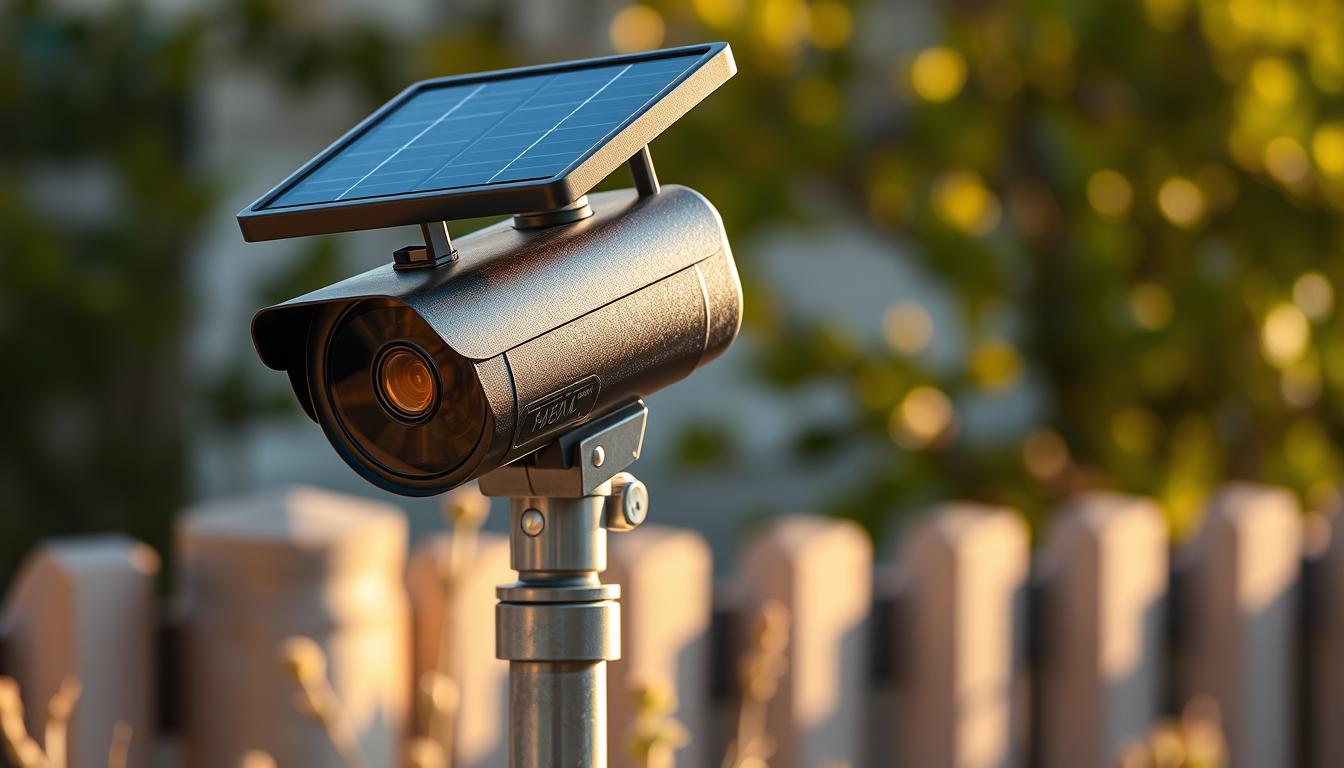
Best WiFi Security Camera with Solar Panel: Top Models Compared
Home surveillance enters a new era with solar-powered devices. These innovative systems harness natural energy for continuous protection. They offer eco-friendly monitoring without constant battery changes.
Singapore’s climate provides ideal conditions for these technologies. With approximately 5.5 hours of daily sunshine, solar panels operate efficiently. This makes them perfect for local homeowners seeking sustainable solutions.
Leading brands like Arlo, Eufy, and TP-Link dominate this market. Their models combine advanced features with reliable performance. Consumers appreciate the energy efficiency and long-term cost savings.
This guide explores critical factors for choosing the right system. We examine resolution quality, battery performance, and smart home integration. Our comparison helps you make an informed decision for your property.
Key Takeaways
- Solar-powered surveillance offers sustainable home protection
- Singapore’s climate provides excellent conditions for solar energy
- Major brands offer advanced features and reliable performance
- Consider resolution, battery life, and smart home compatibility
- These systems provide long-term cost savings and convenience
- Proper installation maximizes sunlight exposure efficiency
- Motion detection and night vision enhance security coverage
Introduction to Solar-Powered WiFi Security Cameras
Contemporary surveillance systems are transforming with eco-friendly energy harvesting capabilities. These innovative devices represent a significant advancement in property monitoring technology.
They combine renewable energy collection with wireless connectivity for optimal performance. This approach creates sustainable observation solutions for modern households.
What Are Solar WiFi Security Cameras?
Solar-powered observation devices integrate photovoltaic technology with wireless data transmission. They capture sunlight through specialized panels that convert it into electrical energy.
This energy powers the device directly and charges internal power cells. The system maintains operation even during limited sunlight periods.
Most models include backup capacity for approximately seven days of cloudy weather. This ensures continuous monitoring regardless of weather conditions.
Motion-activated recording significantly reduces energy consumption. It conserves up to 40% more power compared to constant recording.
These systems typically offer a 130-degree observation range. This provides comprehensive coverage for most residential properties.
Why They Are a Game-Changer for Modern Home Security
These innovative systems eliminate traditional wiring requirements completely. Homeowners appreciate the simplified installation process and reduced upfront costs.
Singapore’s climate proves ideal for these technologies. With approximately 5.5 hours of daily sunshine, the panels operate at peak efficiency.
During power outages, these devices continue functioning uninterrupted. Traditional wired alternatives would typically fail in such situations.
The integration with wireless networks enables real-time mobile alerts. Users receive immediate notifications about detected activity.
Optimal conditions allow these systems to operate for months without manual intervention. This represents a significant convenience advantage.
These observation solutions mark a shift toward smarter, sustainable property protection. They combine environmental consciousness with advanced technological features.
Why Singapore is the Perfect Market for Solar Security
The Lion City’s geographical positioning offers exceptional advantages for photovoltaic-powered monitoring systems. This urban environment combines ideal climate conditions with progressive regulatory frameworks.
Government initiatives actively support sustainable technology adoption. These factors create a thriving ecosystem for autonomous energy observation devices.
Singapore’s Ideal Climate for Solar Efficiency
This tropical nation receives approximately 1,800 kWh/m² annual solar irradiance. The consistent 5.5 peak sun hours daily ensures reliable energy harvesting.
These conditions allow observation systems to operate with minimal backup charging. Even during cloudy periods, sufficient power generation maintains continuous operation.
Local user satisfaction reflects this efficiency advantage. Average ratings of 4.5/5 demonstrate product performance in Singapore’s environment.
HDB Regulations and the Push for Wireless Solutions
Housing Development Board guidelines favor non-invasive installation methods. Wireless systems eliminate structural modifications while providing comprehensive coverage.
Urban density makes flexible placement crucial for optimal performance. These regulations align with Singapore’s Smart Nation Initiative promoting tech-driven solutions.
Government subsidies further encourage eco-friendly device adoption. Financial support makes sustainable options more accessible to homeowners.
“Wireless surveillance solutions represent the future of urban property protection, combining efficiency with environmental responsibility.”
Economic benefits substantiate the shift toward renewable energy systems. Landed properties report approximately 60% cost reduction over three-year periods.
Carbon footprint reduction contributes to national sustainability goals. Each installation supports Singapore’s broader environmental objectives.
The combination of regulatory support and ideal conditions positions Singapore as a model market. These factors ensure successful implementation of sun-powered observation technologies.
Key Benefits of Choosing a Solar-Powered Security System
Modern property protection reaches new heights with autonomous energy solutions. These innovative devices deliver multiple advantages beyond basic monitoring.
They transform how homeowners approach residential safety. The combination of renewable energy and advanced technology creates superior value.
Significant Long-Term Cost Savings and Energy Efficiency
Photovoltaic observation devices dramatically reduce operational expenses. They eliminate monthly electricity costs associated with traditional systems.
Maintenance requirements drop to just $15 annually. Wired alternatives typically cost $75 for yearly upkeep.
Energy consumption decreases by approximately 10% monthly. This reduction translates to substantial savings over time.
Key financial advantages include:
- Zero electricity bills for continuous operation
- Minimal maintenance costs compared to wired alternatives
- Long-lasting panels that function for years without replacement
- Reduced battery replacement frequency due to efficient charging
Enhanced Reliability and Uninterrupted Surveillance
These systems maintain operation during power outages. Backup batteries provide approximately seven days of cloud coverage.
Motion-activated recording conserves energy while ensuring comprehensive coverage. This smart feature extends operational duration significantly.
Silent operation eliminates noise pollution common in traditional setups. Homeowners enjoy peaceful environments without compromising safety.
Reliability features include:
- Continuous operation during grid failures
- Efficient performance during limited sunlight periods
- Instant mobile alerts for detected activity
- Consistent performance across various weather conditions
Eco-Friendly Operation and Reduced Carbon Footprint
Renewable energy harvesting makes these devices environmentally responsible. Each unit reduces CO2 emissions by 2.1kg monthly.
Leading manufacturers like Eufy and Ring implement recycling programs. These initiatives support sustainable product lifecycles.
The technology aligns with global environmental conservation efforts. Homeowners contribute to greener communities through adoption.
Environmental benefits include:
- Substantial reduction in carbon emissions
- Support for renewable energy infrastructure
- Participation in manufacturer recycling programs
- Decreased dependence on non-renewable power sources
These observation solutions represent smart investments for modern households. They combine economic advantages with environmental responsibility for comprehensive value.
Essential Features to Look for in Your Solar Camera
Modern observation devices powered by renewable energy offer impressive capabilities. Selecting the right model requires understanding key technical specifications. These features determine performance and reliability in real-world conditions.
High-Resolution Video Quality: From 2K to 4K
Clear footage makes identification easier during security events. Higher resolution provides sharper details and better evidence quality.
Many models now offer 4K ultra-high definition recording. This captures license plates and facial features with exceptional clarity. Lower resolutions like 2K still provide excellent detail for most applications.
Advanced Night Vision and Motion Detection Capabilities
Color night vision transforms low-light monitoring. It provides up to 98 feet of visibility in darkness. Traditional infrared options only show black and white images.
Artificial intelligence enhances motion detection significantly. Smart algorithms reduce false alerts by 70%. They focus on relevant activity like people or vehicles.
Weatherproof and Vandal-Resistant Durability
Outdoor devices need protection from environmental elements. IP67 ratings ensure complete protection against dust and water immersion. This rating means survival in heavy rain and extreme conditions.
Vandal-resistant designs prevent tampering and damage. Sturdy materials and secure mounting discourage interference. These features ensure continuous operation in challenging environments.
Battery Life and Flexible Storage Options
Efficient power cells extend operation between charges. Lithium iron phosphate models withstand over 500 charge cycles. This translates to years of reliable service.
Storage choices include local microSD cards and cloud services. Local options support up to 256GB capacity. Cloud storage offers encrypted protection with AES-256 security.
Consider your specific needs when evaluating these features. Prioritize based on property layout and monitoring requirements.
How Solar Camera Technology Works in Practice
Understanding the practical mechanics of photovoltaic surveillance equipment illuminates their true value. These systems combine advanced energy harvesting with intelligent monitoring capabilities.
The seamless operation makes them ideal for continuous property protection. Homeowners appreciate the reliable performance without constant maintenance.
Solar Panel Energy Conversion and Charging Efficiency
Monocrystalline technology forms the foundation of efficient energy collection. These specialized panels capture sunlight with exceptional effectiveness.
Photovoltaic cells convert solar radiation into electrical energy. This process occurs silently throughout daylight hours.
MPPT charge controllers optimize energy conversion significantly. They adjust voltage levels to maximize power harvest from the panels.
Lithium batteries store converted energy for continuous operation. These power cells withstand numerous charge cycles without degradation.
Optimal placement ensures approximately 60W power generation daily. This supports 24/7 operation under normal conditions.
Efficient systems maintain charge even during limited sunlight periods. They provide reliable performance across varying weather conditions.
Integration with Smart Home Systems and Mobile Alerts
Modern observation devices connect seamlessly with popular automation platforms. Alexa and Google Home compatibility enables voice control functionality.
Real-time notifications reach mobile devices within 300 milliseconds. This rapid response time ensures immediate awareness of detected activity.
IFTTT integration allows customized automation scenarios. Lights can activate automatically when motion sensors trigger.
AES-256 encryption protects all transmitted data. This military-grade security prevents unauthorized access to footage.
Cloud storage options provide flexible recording solutions. Local microSD alternatives offer complete control over data retention.
These integrated features create comprehensive protection ecosystems. They combine sustainable energy with cutting-edge monitoring technology.
“The combination of renewable energy harvesting and smart technology represents the future of residential protection systems.”
This technology demonstrates how innovation serves practical household needs. It delivers reliable performance while reducing environmental impact.
Homeowners benefit from advanced features without complex setup requirements. The systems work tirelessly to provide peace of mind.
Top Contender: Arlo Essential 2nd Gen with Solar Panel
Among leading photovoltaic observation devices, the Arlo Essential stands out for its impressive balance. This model delivers premium capabilities at an accessible price point. It represents excellent value for homeowners seeking reliable protection.
Pros: Feature-Rich and Affordable 2K Resolution
The Arlo Essential captures exceptional video quality with 2K resolution. This clarity makes identification effortless during security events. The 130-degree field view provides comprehensive coverage.
Color night vision transforms low-light monitoring significantly. An integrated spotlight enhances visibility in darkness. Two-way audio enables clear communication with visitors.
Durable construction withstands Singapore’s tropical climate. The solar panel integrates seamlessly with eight feet of cable. This allows flexible placement for optimal sunlight exposure.
Compatibility with Alexa and Google Home simplifies smart home integration. Users enjoy voice control and automated routines.
Cons: Subscription Needed for Full Feature Access
Advanced capabilities require an Arlo Secure subscription. AI object detection and personalized alerts remain locked behind paywalls. Cloud storage options also demand monthly payments.
Apple HomeKit support remains unavailable for this model. iOS users might find integration limitations frustrating. The ecosystem favors Android and Amazon platforms.
Key Specifications: Resolution, Field of View, and Smart Home Support
This device operates with impressive technical specifications:
- 2K resolution for crystal-clear footage quality
- 130-degree viewing angle for wide coverage
- Color night vision with integrated spotlight
- Two-way audio for clear communication
- Weather-resistant design for outdoor reliability
- Alexa and Google Home compatibility
The accompanying photovoltaic charger extends battery life significantly. Proper placement ensures continuous operation for months. Maintenance needs reduce dramatically with adequate sun exposure.
Priced around $80, this system offers tremendous value. It combines high-end features with renewable energy efficiency. For homeowners seeking quality without premium costs, this represents an outstanding choice.
EufyCam S340 (S40): Built-In Solar Simplicity
Eufy introduces an innovative approach to sustainable monitoring with its integrated design. The S340 model combines energy collection and observation in one sleek unit. This eliminates external components for a cleaner aesthetic.
Singapore residents appreciate the streamlined appearance. It blends seamlessly with modern architectural styles. The unified design reduces visual clutter around properties.
Pros: Integrated Panel, Free AI Detection, and Local Storage
The built-in energy collector distinguishes this model from competitors. Users avoid separate panel installation entirely. Setup becomes remarkably straightforward.
Artificial intelligence capabilities come without subscription requirements. The system offers:
- Facial recognition with 92% accuracy
- Pet detection that distinguishes animals from people
- Vehicle identification for comprehensive monitoring
- Customizable activity zones for focused observation
Local data retention provides enhanced privacy protection. The 8GB built-in capacity stores footage securely. Homeowners maintain complete control over their recordings.
Cons: Requires Careful Sunlight Placement
The integrated design demands strategic positioning for optimal performance. Users must ensure direct exposure to natural light. Shaded locations significantly reduce charging efficiency.
Singapore’s occasional cloudy days may affect operation. The unit needs approximately four hours of daily exposure. North-facing installations often underperform in tropical environments.
Key Specifications: 2K Resolution and Advanced Recognition
This device captures exceptional detail with its imaging capabilities. The 2K resolution provides clear evidence during incidents. Digital zoom extends to 8X magnification for closer inspection.
Technical features include:
- 135-degree viewing angle for broad coverage
- Weather-resistant construction for outdoor reliability
- Lithium battery supporting continuous operation
- Advanced algorithms for smart motion analysis
Regular firmware updates maintain peak performance. These enhancements improve recognition accuracy over time. Users should enable automatic updates for optimal functionality.
The EufyCam S340 represents an excellent choice for simplicity-focused homeowners. Its integrated approach reduces installation complexity while delivering advanced features.
TP-Link Tapo C420S1: Rapid Solar Charging Bundle
TP-Link presents an innovative solution for homeowners seeking efficient monitoring. The Tapo C420S1 bundle combines advanced technology with rapid energy replenishment. This system stands out for its quick charging capabilities and flexible features.
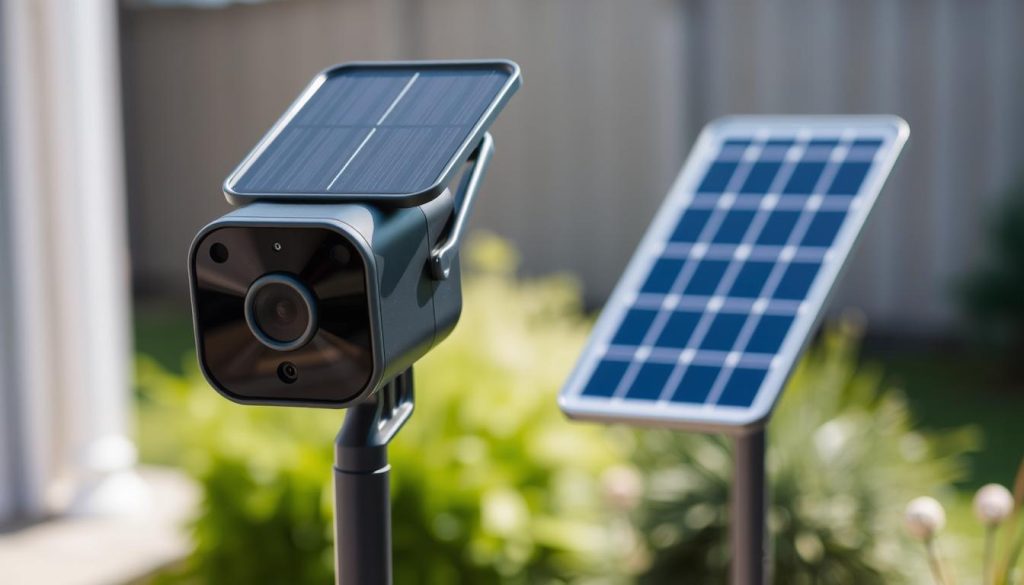
Singapore’s climate perfectly suits this model’s design. The tropical environment provides ample sunlight for optimal performance. Users enjoy consistent operation without frequent maintenance needs.
Pros: 30-Minute Quick Charge, Free AI, Dual Spotlights
The rapid charging feature sets this system apart. Just thirty minutes of direct sunlight provides substantial power. This efficiency ensures continuous operation even during brief sunny periods.
Artificial intelligence capabilities come without subscription fees. The system offers smart recognition for people and vehicles. Users receive accurate alerts without monthly payments.
Dual spotlights enhance nighttime monitoring significantly. They provide color vision in low-light conditions. The bright illumination also serves as a visual deterrent.
Storage choices include both local and cloud options. MicroSD cards support up to 256GB capacity. Cloud alternatives offer encrypted protection for sensitive footage.
Cons: Smaller 113-Degree Field of View
The observation angle measures 113 degrees horizontally. This narrower perspective might require additional units for full coverage. Larger properties may need multiple devices for comprehensive monitoring.
Placement becomes crucial with this limited viewing range. Users must carefully position each unit for optimal coverage. Strategic installation ensures no blind spots in critical areas.
Key Specifications: Pan/Tilt Panel and Storage Choices
This model captures clear 2K resolution video. The detailed footage makes identification effortless during events. Digital zoom allows closer inspection of recorded activity.
The adjustable energy collector rotates for optimal positioning. Users can angle it toward the sun throughout the day. This flexibility maximizes energy harvesting efficiency.
Technical features include:
- Weather-resistant construction for outdoor reliability
- Integration with Alexa and Google Home systems
- Lithium battery supporting extended operation
- Military-grade encryption for data protection
Priced around $160, this system offers excellent value. It combines premium capabilities with renewable energy efficiency. The bundle represents a smart choice for modern households.
Blink Outdoor 3 with Solar Mount: The Budget Champion
Budget-conscious homeowners discover exceptional value with this affordable monitoring solution. The Blink Outdoor 3 delivers reliable protection without premium costs.
Singapore residents appreciate its straightforward approach to property monitoring. The system combines essential features with renewable energy efficiency.
Pros: Extremely Affordable, Easy Setup and App Control
This model stands out for its remarkable $70 price point. It represents the most accessible option in the solar-powered category.
Installation requires minimal technical knowledge or tools. The process typically completes within fifteen minutes.
Key advantages include:
- User-friendly mobile application for complete control
- Reliable performance with adequate sunlight exposure
- Two-way audio communication capabilities
- Alexa compatibility for voice command integration
The detachable solar mount allows optimal positioning. Users can angle it toward maximum sun exposure throughout the day.
Cons: Lower 1080p Resolution, Not the Latest Model
Video quality measures 1080p rather than higher 2K or 4K options. This resolution suffices for basic identification needs.
As an older generation product, it lacks some advanced capabilities. Color night vision remains unavailable in this version.
Local storage requires the separate Sync Module 2 unit. Cloud alternatives demand monthly subscription payments.
Key Specifications: Infrared Night Vision and Local Storage
This device operates with practical technical specifications:
- 1080p resolution for clear footage quality
- 110-degree field view for adequate coverage
- Infrared night vision for low-light monitoring
- Local storage support via Sync Module 2
- Lithium batteries extended by solar charging
Proper placement ensures months of continuous operation. The renewable energy system reduces manual charging frequency significantly.
The Blink Outdoor 3 represents an ideal choice for basic monitoring needs. It delivers reliable performance at an accessible price point for Singapore homeowners.
Installation Guide: Maximizing Your Solar Camera’s Potential
Proper setup transforms your renewable energy observation system into a reliable guardian. Strategic placement and configuration ensure optimal performance and longevity. This guide covers essential steps for achieving peak efficiency.
Choosing the Optimal Location for Sunlight Exposure
Positioning determines energy harvesting efficiency. Aim for locations receiving at least six hours of direct sunlight daily. Southern exposures typically yield the best results in Singapore.
Use tools like Solar Surveyor app to analyze sun paths throughout the year. This helps identify potential shading issues from buildings or trees. Avoid areas with seasonal obstructions.
Height placement between 2.4 and 3 meters offers ideal coverage. This range prevents tampering while maintaining clear sightlines. Ensure the panel faces true south for maximum exposure.
Step-by-Step Mounting and Weatherproofing Tips
Begin by securing the mounting bracket to a stable surface. Use tamper-proof screws to discourage unauthorized removal. Check level alignment before final tightening.
Apply silicone sealant around cable entry points. This prevents moisture intrusion during heavy rain. Singapore’s tropical climate demands thorough weatherproofing.
Angle the energy collector between 15-30 degrees for optimal performance. This range captures sunlight effectively throughout the day. Adjust seasonally if possible.
Configuring Motion Zones and System Diagnostics
Access your device’s mobile application to set detection areas. Draw custom zones focusing on entry points and valuable areas. Exclude busy streets or vegetation to reduce false alerts.
Test signal strength from your chosen location. Ensure consistent connectivity before finalizing installation. Weak signals may require WiFi extenders.
Monitor battery levels through the app dashboard. Full charges should last several months under proper conditions. Perform monthly system checks for optimal operation.
Clean panels every three months to maintain efficiency. Dust accumulation can reduce energy conversion by up to 15%. Use soft cloths and mild detergent for cleaning.
“Strategic installation doubles the effectiveness of solar-powered observation systems, combining optimal energy harvesting with comprehensive coverage.”
Address common challenges like glare by adjusting angles slightly. Morning sun often provides the most consistent energy collection. Evening angles might require different positioning.
Regular maintenance ensures years of reliable service. These practices maximize your investment while providing continuous protection. Proper setup remains crucial for system longevity.
How to Choose the Best WiFi Security Camera with Solar Panel for Your Home
Selecting the right renewable energy observation system requires careful consideration of multiple factors. Your decision should balance performance requirements with budget constraints and future needs.
Singapore homeowners benefit from understanding these key selection criteria. The tropical climate creates unique opportunities for sustainable monitoring solutions.
Evaluating Your Budget: From Value to Premium Tiers
Observation devices powered by renewable energy span various price categories. Entry-level models start around $60 while premium systems reach $800.
Budget-friendly options like Blink provide basic functionality at accessible prices. Mid-range systems from TP-Link offer enhanced capabilities without premium costs.
High-end solutions from Arlo deliver advanced artificial intelligence and superior build quality. Consider long-term value rather than just initial investment.
Warranty coverage varies significantly between manufacturers. Some brands provide up to five years of protection for added peace of mind.
Matching Camera Features to Your Specific Security Needs
Resolution quality directly impacts identification capability during incidents. Higher resolution provides clearer evidence but requires more storage space.
Artificial intelligence detection reduces false alerts by distinguishing people from animals. This feature proves valuable for homes with pets or frequent wildlife activity.
Weather resistance ensures reliable operation during Singapore’s tropical storms. Look for IP67 ratings that guarantee protection against heavy rain and dust.
Smart home integration simplifies control through voice commands and automation. Compatibility with existing ecosystems enhances convenience and functionality.
Considering Storage Options and Subscription Costs
Local storage maintains complete control over your recorded footage. MicroSD cards support up to 256GB capacity without monthly fees.
Cloud alternatives offer remote access and enhanced redundancy. These services typically require subscriptions ranging from $3 to $15 monthly.
Some manufacturers provide free basic cloud storage with limited retention periods. Advanced features often remain locked behind subscription paywalls.
Future-proofing considerations include firmware update support and system scalability. Choose systems that allow adding additional units as needs evolve.
“The ideal system balances immediate needs with long-term flexibility, ensuring years of reliable service without unexpected costs.”
Durability requirements depend on installation location and environmental factors. Higher placement typically demands more robust construction and weatherproofing.
Color night vision capabilities transform low-light monitoring effectiveness. This feature provides superior identification compared to traditional infrared options.
Ultimately, your choice should reflect personal requirements and property characteristics. The perfect system combines adequate coverage with sustainable operation.
Final Thoughts on Sustainable Home Security in 2025
Renewable energy observation devices redefine property protection. They merge advanced technology with environmental responsibility.
These innovative systems offer long-term cost savings and reliable performance. Singapore’s climate provides ideal conditions for maximum efficiency.
Choose models based on your specific needs and budget. Prioritize features like resolution and smart integration.
Future advancements will enhance solar power efficiency and connectivity. This technology supports global sustainability efforts.
Make informed decisions for lasting satisfaction and eco-friendly benefits.
FAQ
How much direct sunlight does a solar panel need to keep the camera charged?
Most systems require 2-4 hours of direct sun exposure per day for consistent operation. Partial shade or indirect light can still contribute to charging but may not be sufficient for full, uninterrupted power.
Do these cameras work during cloudy days or at night?
Yes. They store energy in internal batteries during sunny periods, allowing them to function through the night and on overcast days. Battery life varies by model but often supports several days without sun.
Is professional installation required for a solar-powered security camera?
No. Most are designed for easy DIY setup. They typically include mounting hardware, and the process involves securing the camera and panel, then connecting to your home’s WiFi network via a mobile app.
What happens if someone steals the solar panel?
Many panels are mounted high and out of easy reach. Some systems also offer anti-theft locks or mounting designs that make removal difficult. The camera itself will continue to run on its battery until the charge depletes.
Are there any monthly fees for using a solar security camera?
It depends on the brand. Some, like Eufy, offer free local storage and AI detection. Others, like Arlo, often require a subscription plan to access advanced features like cloud video history and intelligent alerts.
Can I view the camera feed remotely when I’m not at home?
Absolutely. These are WiFi-enabled devices, so you can access the live feed and receive motion alerts directly on your smartphone from anywhere with an internet connection.
How long does the battery last before it needs replacement?
The rechargeable batteries in these units are designed for longevity, often lasting 2-3 years or several hundred charge cycles before you may notice a significant decrease in performance.


