
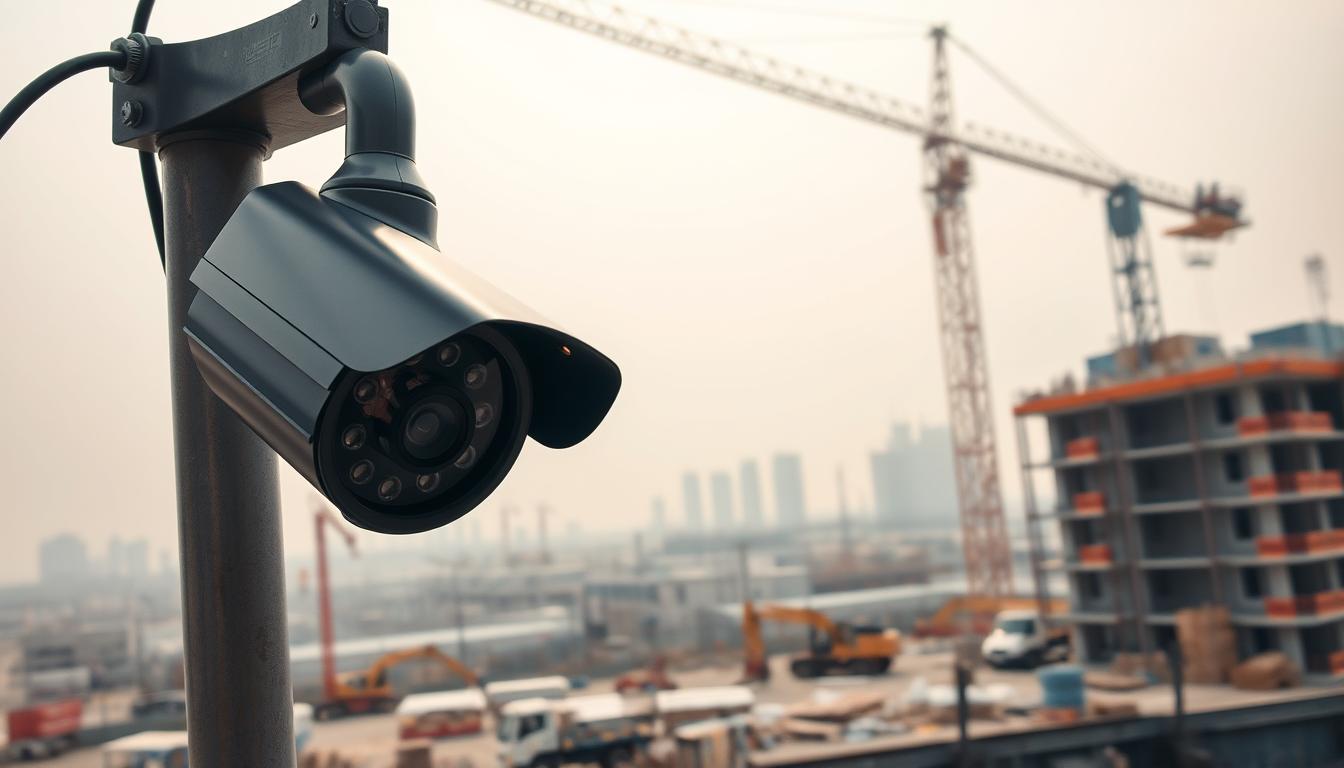
Buyer’s Guide to the Best Jobsite Camera System Solutions
Construction sites face serious security threats every day. Nearly 90% of theft and vandalism incidents go unreported. This makes protection a top priority.
Singapore’s construction boom increases these risks. More projects mean more equipment and materials to safeguard. Strong surveillance is no longer optional—it’s essential.
Modern security cameras offer advanced features for better monitoring. Motion detection, night vision, and weather resistance are now standard. These tools help prevent losses and keep sites safe.
AI-powered systems provide instant alerts for suspicious activity. This improves response times and deters potential criminals. Investing in the right setup brings peace of mind and project continuity.
Key Takeaways
- Construction sites are highly vulnerable to theft and vandalism.
- Singapore’s growing construction industry increases security needs.
- Modern surveillance offers remote monitoring and real-time alerts.
- AI-enhanced cameras provide faster threat detection and response.
- Choosing the right security solution prevents financial losses.
- Tailored options are available for projects of any scale.
- Effective monitoring enhances overall site safety and management.
Why Construction Site Security Is a Critical Investment in Singapore
Singapore’s urban landscape continues to transform at a rapid pace. This growth brings unique security challenges that demand immediate attention. Protecting assets becomes paramount in this dynamic environment.
Investing in proper protection measures isn’t just about compliance. It’s about safeguarding valuable resources and maintaining project timelines. The right approach prevents costly disruptions.
The High Stakes of Site Theft and Vandalism
Construction locations face enormous financial risks daily. Statistics reveal that 90% of site-related crimes involve theft or vandalism. These incidents cause average annual losses of $500,000 per location.
Effective surveillance can reduce theft by up to 80%. This makes modern monitoring solutions incredibly valuable. They provide a strong return on investment through loss prevention.
Many incidents go unreported, creating hidden costs. Delayed projects and replacement equipment add to the financial burden. Proactive measures help avoid these unexpected expenses.
Singapore’s Construction Boom and Its Security Implications
Singapore’s building industry expansion increases security needs. More projects mean more equipment and materials requiring protection. This growth creates additional targets for criminal activity.
The government mandates surveillance for projects valued at $5 million or more. Compliance becomes essential for legal operation. Meeting these requirements demonstrates professional responsibility.
Transient nature of work sites complicates protection efforts. Changing layouts and temporary structures demand flexible solutions. Regular maintenance prevents 83% of common monitoring issues.
Remote oversight capabilities overcome these challenges. Real-time access allows management from any location. This feature ensures continuous protection despite site changes.
Inadequate security leads to project delays and legal liabilities. Financial losses extend beyond stolen equipment. Reputation damage can affect future business opportunities.
Modern protection goes beyond simple crime prevention. It becomes a crucial component of overall project management. Comprehensive solutions support both safety and success.
How a Jobsite Camera System Enhances Safety and Productivity
Today’s digital oversight tools provide comprehensive coverage that extends beyond traditional security functions. These advanced solutions transform how construction projects operate in Singapore’s dynamic environment.
Modern monitoring approaches deliver multiple benefits simultaneously. They protect assets while improving operational efficiency across the entire project lifecycle.
Remote Surveillance for Real-Time Oversight
Remote access capabilities revolutionize site management practices. Managers can monitor activities from any location using mobile devices or computers.
This real-time visibility enables quick decision-making based on live feeds. Immediate response to issues prevents small problems from escalating into major disruptions.
Alert systems notify supervisors about security breaches or safety hazards. These notifications ensure prompt attention to critical situations as they develop.
Deterring Criminal Activity and Reducing Losses
Visible monitoring equipment creates a powerful psychological deterrent. Potential intruders think twice when they know they’re being watched.
Studies show visible security cameras can deter up to 80% of theft and vandalism attempts. This protection significantly reduces financial losses from criminal activities.
The presence of surveillance equipment also improves worker compliance with safety protocols. Teams are more likely to follow proper procedures when they know they’re being monitored.
Documenting Progress and Resolving Disputes
Time-lapse recording features transform project documentation. This technology cuts review time by up to 70% compared to manual tracking methods.
Managers can easily track milestone completion and identify potential delays. The visual record provides clear evidence of work progress over time.
Video evidence becomes invaluable for resolving disputes or accident investigations. Unbiased documentation protects all parties involved in construction projects.
Secure sites experience fewer disruptions, leading to smoother operations. This reliability directly contributes to timely project completion and overall success.
For those seeking comprehensive protection solutions, explore our detailed guide on advanced surveillance options that meet Singapore’s specific requirements.
Essential Features for Your Jobsite Security Camera
The effectiveness of any monitoring setup depends heavily on choosing appropriate technical specifications. Different construction environments present unique challenges that demand specific capabilities from surveillance equipment.
Singapore’s tropical climate and dynamic work sites require robust solutions. Understanding key features helps you select equipment that delivers reliable performance under demanding conditions.
Weather Resistance and Durability for Harsh Environments
Construction locations expose equipment to extreme weather conditions. Heavy rain, high humidity, and dust particles can damage sensitive electronics.
Look for IP65 or IP67 ratings when selecting surveillance equipment. These ratings guarantee protection against water ingress and dust penetration.
Some manufacturers offer extended warranties, like Verkada’s 10-year coverage. This demonstrates confidence in product durability and long-term reliability.
Tamper-proof designs prevent vandalism attempts that could disable your protection system. Robust housing materials withstand accidental impacts and intentional damage.
High-Definition Video Quality for Clear Identification
Clear footage is essential for identifying intruders and documenting incidents. Low-resolution video often fails to capture crucial details when needed most.
4K resolution provides exceptional clarity for license plate recognition and facial identification. This high level of detail becomes invaluable during investigations.
Superior video quality also aids in progress tracking and documentation. Managers can zoom in on specific areas without losing image clarity.
Night Vision and Advanced Motion Detection Capabilities
Many security incidents occur during nighttime hours when sites are unoccupied. Traditional infrared night vision provides basic visibility in darkness.
Advanced full-color options deliver superior low-light performance. These technologies maintain color accuracy even in challenging lighting conditions.
Motion detection triggers immediate alerts when movement occurs within monitored areas. Modern systems minimize false alarms through advanced filtering algorithms.
AI-powered analytics distinguish between humans, vehicles, and animals. This precision ensures alerts only for genuine security threats.
Remote Access and Reliable Connectivity Options
Real-time monitoring requires consistent connectivity regardless of location. WiFi-enabled solutions work well for sites with established internet infrastructure.
Cellular options provide essential coverage for remote locations without internet access. 4G LTE connectivity ensures continuous data transmission from any site.
Mobile apps and web interfaces allow management from smartphones or computers. This flexibility enables quick response to alerts from anywhere.
Choose connectivity based on your specific site requirements and available infrastructure. The right choice ensures uninterrupted monitoring and peace of mind.
Understanding Your Power and Connectivity Options
Power availability and network connectivity present unique challenges for remote construction locations in Singapore. These factors directly impact how well your security equipment performs in protecting valuable assets.
Making the right choices ensures continuous operation and reliable monitoring. This prevents gaps in coverage that could lead to security breaches.
The Role of 4G LTE and Cellular Connectivity
Cellular options provide essential coverage for locations without established internet infrastructure. 4G LTE technology enables real-time data transmission from virtually any site.
This connectivity method reduces dependence on local WiFi networks. It offers greater flexibility in camera placement across large construction areas.
Models like the Reolink Go Plus demonstrate how cellular technology enables flexible deployment. They maintain consistent surveillance even in temporary or remote work environments.
Cellular solutions ensure immediate alerts reach management regardless of location. This capability is crucial for rapid response to potential security incidents.
Battery-Powered vs. Solar-Powered vs. Wired Systems
Each power source offers distinct advantages for different construction scenarios. Understanding these differences helps match solutions to specific site requirements.
Battery-powered cameras provide excellent portability and quick setup. Recent advancements in battery technology extend operation between charges significantly.
These units work well for short-term projects or temporary monitoring needs. They eliminate complex wiring requirements while maintaining full functionality.
Solar-powered options deliver sustainable operation with remarkable reliability. Some systems achieve up to 98% uptime in off-grid locations.
Solar kits represent smart choices for remote sites with limited power access. They reduce ongoing energy costs while maintaining continuous protection.
Wired systems ensure the most stable connections for permanent installations. Power over Ethernet (PoE) setups provide both data and power through single cables.
These solutions require more complex installation but offer unmatched reliability. They work best for long-term projects with established infrastructure.
Choosing between these options depends on your project duration, location, and available resources. Each solution brings different maintenance requirements and installation considerations.
The right power and connectivity combination ensures your security investment delivers maximum protection. Carefully assess your site’s specific needs before making final decisions.
Wired vs. Wireless Jobsite Cameras: weighing the Pros and Cons
Modern surveillance technology offers two primary connectivity paths with distinct operational characteristics. Each approach brings unique benefits and limitations to construction environments. Understanding these differences helps managers make informed decisions about their security investment.
The choice between wired and wireless solutions impacts installation complexity, ongoing maintenance, and overall system reliability. Singapore’s diverse construction projects may benefit from different approaches depending on specific site conditions.
Advantages and Limitations of Wired Camera Systems
Wired installations provide exceptional reliability for permanent security setups. These systems maintain stable connections through physical cabling that resists signal interference.
Constant power supply ensures continuous operation without battery concerns. This reliability makes them ideal for locations with established infrastructure.
Complex installation represents the primary drawback for temporary sites. Running cables through changing layouts requires significant time and resources.
These systems lack flexibility when project footprints evolve. Permanent wiring becomes difficult to modify as construction progresses through different phases.
Advantages and Limitations of Wireless Camera Systems
Wireless options deliver remarkable flexibility for dynamic work environments. Their plug-and-play setup reduces installation time dramatically.
Companies like Verkada offer streamlined solutions that deploy in hours rather than days. This quick setup provides immediate security for new projects.
These systems can reduce security personnel costs by up to 60% through remote monitoring capabilities. The economic benefits make them attractive for budget-conscious projects.
Battery life and signal strength present ongoing considerations for wireless operation. Regular maintenance ensures consistent performance across the entire site.
Data protection requires robust encryption protocols for wireless transmission. Modern systems incorporate advanced security features to prevent unauthorized access.
Wireless solutions excel in remote locations without existing infrastructure. They provide vital surveillance where traditional wiring proves impractical.
Managers should evaluate project duration, site accessibility, and security needs when choosing between approaches. Some locations benefit from hybrid systems combining both technologies.
This balanced approach ensures comprehensive coverage across all risk areas. The right combination addresses specific vulnerabilities while maximizing operational efficiency.
Evaluating the Best Jobsite Camera System Models
Choosing the right surveillance equipment requires careful consideration of various models available. Each option brings unique strengths to address different security challenges on construction sites.
Singapore’s diverse project environments demand tailored solutions. Understanding key specifications helps match equipment to specific site requirements.
Reolink Go PT Ultra: 4K Clarity with Cellular Freedom
The Reolink Go PT Ultra delivers exceptional 4K resolution for detailed monitoring. Its cellular connectivity works perfectly for sites without internet access.
This model features advanced color night vision capabilities. Pan-tilt mechanics provide comprehensive coverage of large areas.
Solar-powered options extend operation in remote locations. The setup reduces wiring needs while maintaining high-quality surveillance.
Reolink Go Plus: Robust Monitoring for Remote Sites
Reolink Go Plus offers reliable 2K resolution imaging. Its 4G LTE connectivity ensures consistent data transmission.
Advanced detection capabilities distinguish between people and vehicles. This precision reduces false alarms and improves security response.
The weather-resistant design withstands Singapore’s tropical conditions. It provides dependable protection for equipment and materials.
Arlo Ultra 2: High-Definition Imaging for WiFi-Enabled Sites
Arlo Ultra 2 brings impressive 4K imaging to internet-connected locations. Its motion detection features alert managers to potential security threats.
HDR imaging maintains clarity in various lighting conditions. The system integrates smoothly with existing WiFi infrastructure.
This model excels in sites with established power and network access. It offers excellent video quality for detailed progress tracking.
Additional Durable Options for High-Risk Areas
Hikvision wireless cameras provide vandal-resistant protection for vulnerable spots. Their rugged construction deters tampering attempts.
These units suit high-risk zones where equipment faces potential damage. They maintain surveillance despite challenging conditions.
Multiple brands offer specialized features for different security needs. Consider these factors when selecting your monitoring solution:
- Required resolution for identification and documentation
- Available power sources and connectivity options
- Environmental durability and weather resistance
- Detection capabilities and alert systems
- Installation complexity and maintenance needs
Match equipment specifications to your site’s specific characteristics. Cellular models work best for remote locations, while WiFi options suit connected sites.
High-resolution cameras provide detailed evidence for theft prevention and progress tracking. Consider overall system compatibility with your existing management approach.
These top-performing models receive positive reviews for reliability in construction environments. Their proven performance makes them smart choices for Singapore projects.
Strategic Installation for Maximum Site Coverage
Proper placement transforms surveillance equipment from simple devices into powerful protection tools. Strategic positioning ensures every critical area receives optimal monitoring attention.
Singapore’s construction environments demand careful planning for maximum effectiveness. The right approach prevents blind spots and enhances overall security coverage.
Identifying High-Risk Zones and Optimal Camera Placement
Material storage areas represent prime targets for theft and vandalism. These locations require focused monitoring attention throughout the project timeline.
Entry points and equipment yards also demand priority coverage. Position units to capture clear views of these vulnerable spots.
Mounting height between 9-12 feet balances coverage and tamper resistance. This elevation provides broad views while discouraging physical interference.
Anti-tamper mounts add extra protection against intentional damage. They ensure continuous operation even in high-risk environments.
Professional site surveys from providers like Wen Hong ensure proper placement. Their expertise identifies optimal positions for comprehensive coverage.
Ensuring a Stable Power Supply and Signal Strength
Reliable operation depends on consistent power delivery across the location. Different projects require tailored solutions for energy needs.
Power over Ethernet simplifies wiring for permanent installations. This approach combines data and power through single cables.
Solar kits offer sustainable operation for remote sites without grid access. They maintain functionality while reducing environmental impact.
Battery options provide flexibility for temporary monitoring requirements. Modern units offer extended operation between charges.
Wireless systems demand strong signal strength for reliable data transmission. Proper positioning ensures consistent connectivity throughout the area.
Testing after setup verifies coverage, power stability, and signal reliability. This crucial step prevents gaps in protection before full deployment.
For locations lacking infrastructure, consider cellular-enabled solutions that operate independently of local networks.
Maintaining Your Security System for Long-Term Reliability
Your surveillance investment needs regular attention to stay effective. Consistent upkeep ensures continuous protection and prevents unexpected failures. This approach maximizes your equipment’s lifespan and performance.
Proper maintenance reduces repair costs and security vulnerabilities. It keeps your entire monitoring network running smoothly. A well-maintained setup delivers peace of mind throughout your project.
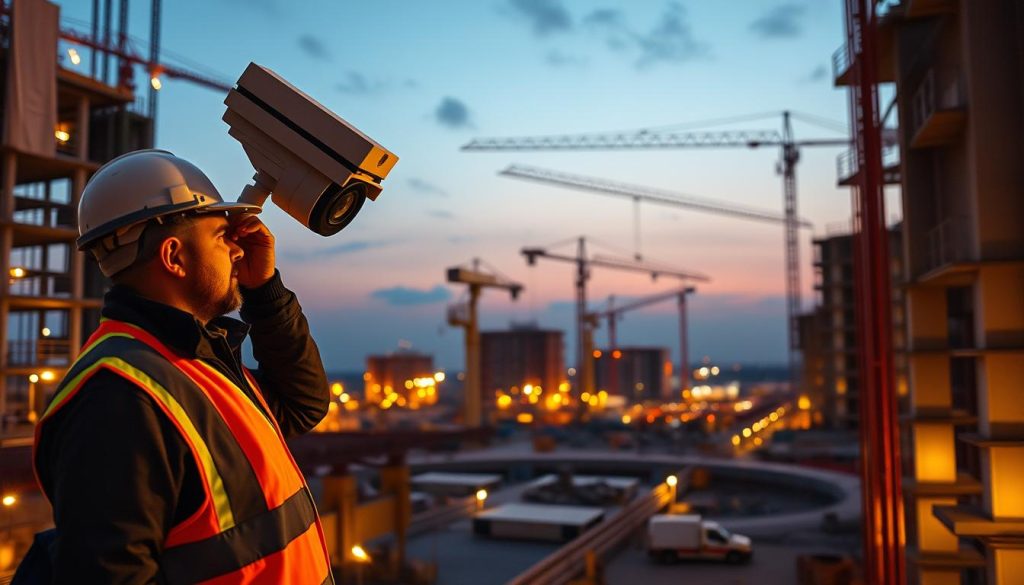
Routine Checks for Camera Functionality and Lens Clarity
Monthly inspections can cut equipment failures by half. These checks verify that all components work correctly. They include cleaning lenses and testing alignment.
Dirty lenses reduce video quality and detection accuracy. Regular cleaning maintains clear visibility for identification purposes. This simple task takes minutes but makes a huge difference.
Functionality tests ensure proper motion detection and night vision. Verify that all alerts reach your management team promptly. Test remote access to confirm seamless off-site monitoring.
Storage verification prevents data loss from faulty systems. Check that recordings save properly and remain accessible. This ensures evidence availability when needed most.
Implementing Software Updates and Security Protocols
Automatic firmware updates keep your protection current. Brands like Verkada offer seamless over-the-air improvements. These updates address vulnerabilities and enhance features.
Deprecated firmware poses serious security risks. Outdated software becomes easy targets for cyber attacks. Regular updates close these gaps before exploitation occurs.
GDPR-compliant data retention policies protect privacy and ensure legal compliance. They dictate how long footage remains stored and who can access it. Proper protocols prevent regulatory issues and data breaches.
Professional maintenance contracts from providers like Wen Hong guarantee reliability. Their experts handle complex updates and thorough system checks. This support ensures optimal performance without straining your team.
Proactive maintenance prevents most common security issues. It represents smart management of your protection investment.
Leveraging Remote Monitoring and Time-Lapse Features
Modern construction projects benefit greatly from advanced digital tools. These technologies provide more than just basic protection. They transform how managers oversee operations and track progress.
Remote access and time-lapse recording bring unique advantages. They improve both security and project management simultaneously. This dual functionality makes them essential for today’s sites.
Setting Up Secure Remote Access for Off-Site Management
Secure remote connectivity starts with proper configuration. Virtual Private Networks (VPNs) create safe tunnels for data transmission. They protect sensitive information from unauthorized access.
Mobile applications enable monitoring from smartphones or tablets. Managers receive instant alerts about potential security issues. This allows quick response from any location.
Follow these steps for reliable remote access setup:
- Establish user permissions based on role requirements
- Test connectivity across different network conditions
- Enable encryption protocols for data protection
- Verify alert delivery systems work properly
- Train staff on incident response procedures
Centralized platforms streamline management of multiple locations. They provide unified views of all monitored areas. This consolidation improves oversight efficiency.
Using Time-Lapse Recording for Project Documentation and Analysis
Time-lapse technology compresses long periods into short videos. It reduces project review time by up to 70%. This efficiency helps managers identify delays quickly.
Cloud storage solutions support extended documentation needs. Reolink offers 180-day retention plans for long-term projects. This ensures important footage remains accessible.
Weather data overlays add context to project timelines. They show how external conditions affect work progress. This information helps explain schedule changes to stakeholders.
Time-lapse videos serve multiple purposes:
- Client updates and progress reports
- Legal documentation of milestone completion
- Safety incident investigation support
- Team performance analysis
- Marketing material creation
These features enhance project transparency and accountability. They provide clear evidence of work completed over time.
Properly configured remote monitoring and time-lapse recording work together. They create comprehensive oversight solutions for modern construction needs.
Navigating the Costs: Budgeting for Your Security Solution
Smart financial planning ensures your protection investment delivers maximum value. Understanding all expenses helps avoid unexpected budget overruns. Proper allocation prevents security gaps while controlling costs.
Singapore’s construction projects require careful cost analysis. Different sites have unique financial considerations. The right approach balances protection needs with available resources.
Breaking Down Initial Equipment and Installation Costs
Startup expenses include equipment purchase and professional setup. Camera prices vary based on features and capabilities. Models like Arlo Ultra 2 start under $300 for basic units.
High-resolution options with advanced detection cost more. These premium features justify their higher price through better performance. They provide clearer identification and fewer false alarms.
Installation charges range from $150 to $2,000 depending on complexity. Simple wireless setups cost less than wired systems. Professional installation ensures optimal placement and reliable operation.
Additional equipment adds to initial investment:
- Anti-tamper mounts for vulnerable spots
- Solar panels for sites without power access
- Extra batteries for extended operation
- Signal boosters for large locations
Some providers offer rental options for short-term projects. This approach reduces upfront investment for temporary needs. It provides flexibility without long-term commitment.
Understanding Ongoing Data and Storage Fees
Recurring expenses maintain your protection system’s functionality. Cloud storage subscriptions preserve recorded footage. Plans vary based on retention duration and video quality.
Cellular models require monthly data plans for operation. These fees ensure continuous monitoring at remote sites. They enable real-time alerts and remote access capabilities.
Maintenance contracts prevent unexpected repair costs. Regular servicing keeps equipment performing optimally. Professional support addresses issues before they become problems.
Consider these ongoing financial commitments:
- Cloud storage subscriptions for video retention
- Cellular data plans for remote connectivity
- Scheduled maintenance and software updates
- Battery replacements for wireless units
Solar power reduces energy costs over time. This sustainable option cuts recurring electricity expenses. It works particularly well for locations without grid access.
Insurance companies often offer reduced premiums for protected sites. Certified surveillance systems demonstrate risk management commitment. These savings can offset some ongoing expenses.
The industry loses $1 billion annually to equipment theft. This staggering figure highlights the return on investment potential. Quality protection prevents much larger financial losses.
Request quotes from providers like Wen Hong for accurate estimates. Their tailored assessments account for your specific site needs. This approach ensures budget alignment with actual requirements.
Total cost of ownership includes both initial and recurring expenses. Smart planning accounts for all financial aspects. The right investment prevents costly incidents and disputes.
Enhancing Overall Site Management with Integrated Security
Modern protection strategies extend far beyond basic surveillance. They create interconnected networks that transform how construction locations operate. These integrated approaches deliver comprehensive oversight across all project aspects.
Combining multiple technologies creates a layered defense strategy. This approach addresses various risks simultaneously. It provides both immediate protection and long-term operational benefits.
Layering Cameras with Access Control and Analytics
Integrated solutions merge visual monitoring with entry management systems. This combination controls personnel movement throughout the location. It ensures only authorized individuals access restricted zones.
Advanced analytics add intelligent capabilities to traditional surveillance. Features like facial recognition identify individuals automatically. PPE compliance monitoring verifies safety protocol adherence.
Cross-camera tracking follows movement across multiple viewing areas. This creates seamless coverage throughout the entire project footprint. Suspicious activity triggers immediate alerts to management teams.
“Integrated security systems reduce response time by 40% compared to traditional methods. They provide comprehensive protection while improving operational efficiency.”
Centralized platforms manage all protection components through single interfaces. This simplifies oversight for multiple locations or large projects. Managers gain complete visibility from any device.
The Long-Term ROI of a Comprehensive Surveillance System
Complete protection solutions deliver significant financial returns over time. They prevent theft and vandalism that cause substantial losses. These systems also reduce personnel expenses through automated monitoring.
Insurance providers often offer premium discounts for certified protection setups. This recognition demonstrates serious risk management commitment. The savings can offset initial investment costs significantly.
Productivity improvements represent another major benefit. Streamlined operations and reduced disruptions keep projects on schedule. This efficiency translates directly into cost savings and timely completion.
Providers like Verkada offer 10-year warranties on their integrated solutions. This long-term reliability ensures continuous protection throughout project lifecycles. It demonstrates confidence in product durability and performance.
Studies show comprehensive systems can deliver 300% return on investment within three years. This comes from prevented incidents, reduced guard costs, and improved efficiency. The financial benefits make integrated approaches smart long-term choices.
Consulting experts like Wen Hong ensures customized solutions match specific requirements. Their assessments account for unique site characteristics and risk profiles. This tailored approach maximizes protection effectiveness and investment value.
Integrated security transforms protection from expense into strategic advantage. It enhances overall site performance while preventing losses. This holistic approach supports both safety and profitability throughout project durations.
Selecting the Right Security Solution for Your Singapore Jobsite
A well-planned security approach addresses both immediate threats and long-term operational needs. Your construction site requires protection that matches its specific characteristics and risks.
Consider project duration, location, and size when choosing equipment. Cellular options work well for remote sites, while WiFi-connected cameras suit urban environments.
Consult local experts like Wen Hong (+65 60135960) for personalized advice. They offer tailored solutions and professional installation services.
Proper security investment prevents theft, enhances safety, and supports project efficiency. Start with a site assessment and prioritize durable, reliable equipment.
Take action today to secure your construction site with appropriate protection measures.
FAQ
What makes a security camera suitable for construction environments?
Cameras need rugged, weatherproof construction to handle dust, rain, and extreme temperatures. They should offer high-resolution video, night vision, and reliable connectivity options like 4G LTE for sites without power or internet infrastructure.
How do these systems help prevent theft and vandalism?
Visible surveillance acts as a strong deterrent to criminal activity. Advanced motion detection sends instant alerts to managers, while recorded footage provides evidence for investigations and insurance claims regarding theft or property damage.
What power options are available for remote sites?
For locations without electrical wiring, solar-powered and battery-operated cameras provide excellent flexibility. Cellular connectivity ensures these units transmit footage without needing local WiFi, making them ideal for undeveloped areas.
Can I monitor my site remotely?
Yes. Modern systems offer secure mobile app access, allowing project managers to view live feeds, receive alerts, and review stored video from any location. This enables real-time oversight without physical presence on-site.
What are the ongoing costs associated with these cameras?
Beyond initial equipment purchase, consider potential cellular data plans for 4G models and cloud storage fees for video retention. Some systems offer local storage options to minimize recurring expenses.
How does night vision work on construction site cameras?
Infrared (IR) night vision technology allows cameras to capture clear black-and-white footage in total darkness. Higher-quality models provide extended range and clarity, ensuring around-the-clock monitoring capability.
Are these systems difficult to install?
Wireless and cellular models typically feature straightforward setup processes without complex wiring. Many offer magnetic mounts or sturdy tripods for flexible placement around the perimeter and high-risk zones.
Can surveillance footage help with project management?
Absolutely. Time-lapse features document progress for client reviews and promotional materials. Footage also helps resolve disputes about work quality, delivery times, and onsite incidents between contractors and crews.


