
How long do outdoor cameras last? Expert Guide
Understanding the expected service life of your surveillance equipment is crucial for effective property protection. Many property owners in Singapore ask about the typical duration of their security investment.
The answer isn’t a single number. Most quality security cameras are built to serve for several years. You can generally expect a functional range between four and ten years.
This variation depends on a complex mix of factors. Your specific environment, maintenance habits, and product quality all play major roles. For Singapore’s tropical climate, these considerations become even more important.
True durability extends beyond physical failure. A unit might power on but become obsolete. Newer threats or better technology can make an older system less effective over time.
This guide explores what determines longevity. We’ll examine build quality, weather resistance, and maintenance routines. You’ll learn to spot signs that indicate replacement is needed. Our goal is to help you maximize your surveillance investment.
Key Takeaways
- The operational lifespan of security cameras typically spans several years.
- Multiple elements influence how many years of service you’ll receive.
- Singapore’s humid, rainy climate presents unique challenges for equipment.
- Technological advances can render a physically working unit obsolete.
- Proper installation and routine care significantly extend functional life.
- Recognizing early warning signs helps plan timely upgrades.
- Choosing the right solution requires balancing cost with expected longevity.
The Direct Answer: How Long Do Outdoor Cameras Last?
The serviceable timeline for monitoring equipment directly impacts long-term security planning. Most quality surveillance devices operate effectively for several years. Industry data reveals a typical functional range.
You can generally expect four to ten years of reliable service. This estimate applies to properly installed and maintained units. The actual duration varies significantly based on multiple elements.
Average Lifespan Ranges and Realistic Expectations
Different technologies offer distinct operational periods. Traditional analog CCTV systems often demonstrate impressive longevity. Their simpler electronic design contributes to extended service life.
These analog units frequently remain functional for five to ten years. Modern IP-based devices contain more complex circuitry. This advanced technology typically reduces their average operational window.
Most IP cameras last between three and five years under normal conditions. High-end professional models can reach up to a decade. Construction quality creates this significant variance.
Professional-grade equipment features robust metal housing. These commercial systems commonly deliver seven to ten years of service. Consumer-grade plastic models face different challenges.
Budget plastic units may only provide two to four years of reliable operation. Supporting hardware also affects overall system performance. Network video recorders and digital video recorders have their own timelines.
NVR and DVR components typically function for five to ten years. Their durability often exceeds that of the cameras themselves. This creates an important consideration for complete security solutions.
Key Statistics from Industry and Installer Data
Installation professionals collect valuable operational data. Their reports highlight clear patterns in equipment life. Commercial deployments show markedly different results than residential setups.
Professional surveillance installations average 8.2 years before major replacement. Residential systems typically require upgrades after 4.7 years.
Climate plays a crucial role in these statistics. Singapore’s tropical environment presents unique challenges. High humidity and temperature accelerate component wear.
Manufacturer reliability reports provide additional insights. Top-tier brands invest in superior weatherproofing features. Their products withstand environmental stresses more effectively.
Annual failure rates differ substantially between product tiers. Premium commercial devices show less than 5% annual failure. Economy residential models can exceed 15% failure rates after three years.
Proper maintenance dramatically improves these statistics. Regularly serviced systems experience significantly fewer problems. This maintenance extends functional time by thirty to fifty percent.
Technological advancement represents another critical factor. Physically functional units become obsolete before failing. Resolution standards and connectivity options evolve rapidly.
These averages represent typical conditions under normal use. Your specific situation may produce different results. Installation quality, usage patterns, and local environment all influence actual performance.
Breaking Down the Numbers: Analog vs. IP Camera Longevity
Behind the average lifespan numbers lies a critical story of engineering choices and component complexity. The disparity between analog and IP systems isn’t random—it’s baked into their fundamental design.
Understanding this technological divide helps you make informed decisions. Your choice affects both initial performance and long-term reliability.
This analysis moves beyond simple statistics. We explore the factors that create such different operational timelines.
Why Analog CCTV Systems Often Last 5-10 Years
Traditional analog CCTV technology benefits from remarkable simplicity. These systems use dedicated components with minimal integration points.
Fewer moving parts and simpler internal circuitry reduce failure points dramatically. The electronics are robust and generate very little heat during operation.
This thermal efficiency is crucial for longevity. Heat is a primary enemy of electronic components, especially in Singapore’s climate.
Analog cameras process video signals through straightforward, hardened circuits. There’s no complex software or operating system that can become outdated or corrupted.
The video transmission is also simpler. Coaxial cables carry analog signals that are less susceptible to certain types of interference.
This architectural simplicity translates directly to extended service life. Many analog installations continue functioning reliably for a decade or more with basic maintenance.
Why IP Camera Lifespans Typically Range from 3-5 Years
Internet Protocol cameras represent the cutting edge of surveillance technology. Their advanced capabilities come with inherent complexity that affects durability.
IP models contain sophisticated processors, memory chips, and network interfaces. These delicate components operate at higher temperatures and are more sensitive to environmental stress.
Continuous software operation creates additional wear. Firmware must be updated regularly to address security vulnerabilities and maintain compatibility.
Network connectivity itself introduces potential failure points. Ethernet ports, Wi-Fi modules, and power-over-ethernet circuits can degrade over time.
However, premium manufacturing can dramatically extend this range. Brands like Axis Communications engineer their products for exceptional longevity.
Professional-grade IP cameras from manufacturers like Axis can remain operational for a decade or more, demonstrating that quality construction overcomes inherent complexity.
Uniview professional cameras report an astonishingly low annual failure rate of less than 1%. Specialized systems like Reconeyez are noted for exceptional performance in harsh weather conditions.
The trade-off is clear: superior image quality, analytics, and connectivity versus potential longevity. This balance is crucial for calculating total cost of ownership.
The Lifespan of Supporting Hardware: NVRs and DVRs
Your recording devices face their own distinct wear patterns. Network Video Recorders and Digital Video Recorders are the brains of your security system.
These components work continuously, managing video streams and storage operations. Their internal hard drives experience constant read/write cycles that gradually reduce reliability.
Environmental conditions where these units are housed significantly impact their life. Proper ventilation and climate control are essential for NVR/DVR durability.
Key factors affecting recorder lifespan include:
- Storage drive health and replacement schedules
- Continuous operational thermal management
- Power supply quality and surge protection
- Firmware update support from manufacturers
High-quality recorders often outlive the cameras they support. Many professional systems see recorder replacement cycles stretching five to ten years.
Planning for this hardware’s maintenance is just as important as camera selection. Regular storage drive replacements prevent catastrophic data loss and extend overall system life.
This complete ecosystem view ensures your entire surveillance investment delivers maximum value across its operational timeline.
Outdoor vs. Indoor: Why Location Dramatically Alters Lifespan
Where you install monitoring devices determines their exposure to environmental stressors. These elements dramatically accelerate or decelerate wear on identical electronic components.
This fundamental difference explains why similar models fail at wildly different rates. Indoor and outdoor placements represent opposite ends of the durability spectrum.
Understanding this environmental divide is essential for realistic expectations. It also informs proper product selection and maintenance strategies.
The Protective Cocoon of Indoor Environments
Indoor security equipment operates within a controlled, stable setting. This sheltered placement shields devices from nature’s most destructive forces.
Temperature fluctuations remain minimal within climate-controlled buildings. Consistent thermal conditions prevent the expansion and contraction that stresses solder joints.
Moisture ingress represents a minimal threat in dry interior spaces. Humidity levels stay within ranges that electronics tolerate well.
Ultraviolet radiation from sunlight cannot reach protected components. This absence prevents plastic degradation and lens discoloration over time.
Physical contaminants like dust and debris occur in much lower concentrations. Regular cleaning maintains optimal performance with minimal effort.
These favorable conditions allow indoor CCTV units to age gracefully. Many continue functioning reliably for a decade or more without major problems.
The primary threats indoors involve power surges and accidental damage. These issues are easier to mitigate than environmental assault.
The Constant Assault of Outdoor Conditions
Exterior placements subject equipment to relentless environmental punishment. Each natural element acts as a persistent stressor on materials and electronics.
Singapore’s tropical climate intensifies every challenge. The combination creates what engineers call a “hostile environment” for electronics.
High humidity represents a constant threat to outdoor installations. Moisture seeks every microscopic opening in housings and connectors.
This dampness promotes corrosion on metal contacts and circuit boards. It can create short circuits and degrade electrical performance over time.
Persistent rainfall tests weatherproofing seals repeatedly. Each storm applies hydraulic pressure that can eventually compromise protection.
Coastal areas add corrosive salt air to the equation. This salty mist accelerates metallic corrosion dramatically.
Ultraviolet radiation from constant sun exposure breaks down plastics. Housings become brittle, and lenses may develop haze or yellowing.
Thermal stress occurs daily as temperatures swing. Materials expand during heat and contract during cooler periods.
This cycling weakens structural integrity over multiple years. It can crack solder joints and separate bonded components.
Dust and pollution accumulate on lenses and ventilation ports. These contaminants reduce image clarity and can obstruct cooling.
This combination of factors explains why exterior systems face shortened operational life. Their duty cycle involves continuous defense against multiple threats.
Quality surveillance solutions for outdoor use must incorporate specific defenses. Superior weatherproofing and robust construction become essential, not optional.
For comprehensive guidance on selecting equipment designed for these challenges, explore our detailed resource on outdoor camera durability.
Understanding this environmental reality establishes why subsequent sections matter. Material choices, maintenance routines, and protective measures directly counter these constant assaults.
The Foundation of Durability: Build Quality and Materials
When evaluating security cameras, the most critical factor for enduring performance is not the feature list, but the physical build. Superior materials and engineering directly combat the factors that cause premature failure.
This principle of “you get what you pay for” dictates operational longevity more than any other single element. Investing in robust construction from the start is the wisest strategy for long-term surveillance.
Identifying High-Quality Manufacturers and Components
Not all CCTV brands are created equal. Industry leaders like Axis Communications, Hanwha Vision, and Uniview set the standard. They invest in superior components and rigorous environmental testing.
These manufacturers source higher-grade image sensors and processors. Their circuit boards use thicker copper layers and better conformal coatings. This protects against humidity and corrosion.
Premium brands often provide extended warranties, directly reflecting their confidence in product durability and component quality.
Look beyond marketing claims. Examine the warranty length and what it covers. Review independent testing reports for real-world performance data.
High-end models undergo stress tests simulating years of exposure. This includes thermal cycling, salt spray, and UV radiation tests. Such validation is a hallmark of a reliable system.
The Critical Role of Housing: Metal vs. Plastic
The camera’s outer shell is its first line of defense. The choice between metal and plastic housing has profound implications for longevity.
Aluminum or alloy metal housings offer significant advantages. They dissipate internal heat far more efficiently than plastic. This reduces thermal stress on sensitive electronic parts.
Metal is also highly resistant to impact and vandalism. It does not warp, crack, or become brittle under constant UV exposure. This maintains the integrity of weatherproofing seals.
In contrast, plastic housings are cost-effective but less durable. Over time, sunlight can degrade the polymer, causing fading and brittleness. This can lead to cracks and compromised protection.
For any exterior installation, a metal housing is a strong indicator of build quality. It directly addresses the harsh conditions discussed in previous sections.
Understanding IP Ratings for Weather and Dust Resistance
Ingress Protection (IP) ratings are essential benchmarks. They quantify a device’s defense against solids and liquids. Understanding this code is non-negotiable for outdoor security.
The first digit indicates protection against solid objects like dust. A ‘6’ means completely dust-tight. The second digit rates water resistance.
For Singapore’s rainy climate, a minimum of IP65 is the baseline. This rating ensures protection against low-pressure water jets from any direction.
Superior ratings provide greater assurance:
- IP66: Protection against powerful water jets. Ideal for areas exposed to heavy tropical rain.
- IP67: Protection against temporary immersion up to 1 meter. Crucial for flood-prone locations or extreme weather.
These ratings validate the housing’s ability to seal out moisture. They are a key specification for assessing true outdoor readiness.
Additional features like hydrophobic lens coatings (e.g., ClearSight) further enhance performance. They repel water and dust to maintain clear image quality in all weather.
Choosing a camera with a robust metal housing and a high IP rating prevents common failure points. This investment in materials and design is the foundation of a durable surveillance system.
Environmental Factors That Shorten Camera Life
The tropical climate of Singapore presents a relentless challenge to electronic devices installed outdoors. Specific atmospheric conditions actively work to reduce operational timelines for monitoring equipment.
This section explores the precise mechanisms by which local environment attacks surveillance technology. Understanding these factors helps justify investments in protective measures.
Combating Humidity and Moisture Ingress in Singapore’s Climate
High humidity represents more than occasional rainfall. Pervasive moisture seeks microscopic openings in housing seals throughout the year.
This constant dampness leads to internal condensation. Water droplets form on circuit boards and electronic components.
The result is progressive corrosion of metal contacts and solder joints. This corrosion represents the primary killer of electronics in tropical regions.
Lens fogging frequently occurs when temperature differentials exist. Moisture condenses on the interior glass surface, blurring the captured image.
Effective defense requires multiple strategies. Superior IP-rated housings with proper sealing are essential first steps.
Regular inspection of gaskets and seals prevents gradual degradation. Silicone-based sealants may need periodic reapplication in extreme conditions.
The Degrading Effects of Constant UV Exposure and Heat
Ultraviolet radiation from relentless sunlight breaks down polymer structures. Plastic housings become brittle over time, losing their protective integrity.
This molecular breakdown causes visible fading and surface cracking. Weakened materials compromise weatherproofing capabilities.
Internal components also suffer from prolonged UV exposure. Circuit board coatings can degrade, reducing their protective effectiveness.
Extreme heat compounds these problems. Image sensors may overheat during extended operation in direct sunlight.
Thermal shutdowns protect the system but interrupt security monitoring. Persistent overheating can cause permanent sensor damage.
Manufacturers address these challenges through specific design choices. UV-resistant plastics and metal alloys provide superior durability.
Heat dissipation features like cooling fins and ventilation channels manage internal temperatures. These elements are crucial for maintaining performance.
Damage from Temperature Fluctuations and Seasonal Extremes
Daily temperature swings create continuous expansion and contraction cycles. Different materials expand at varying rates when heated.
This differential movement stresses connections between components. Solder joints gradually weaken from repeated thermal cycling.
Weatherproofing seals experience similar fatigue. Flexible gaskets lose elasticity when constantly stretched and compressed.
Singapore’s consistent warmth minimizes freezing concerns. However, rapid cooling during thunderstorms creates sudden thermal shocks.
These abrupt changes test the resilience of electronic assemblies. Components rated for wider operating ranges withstand such conditions better.
Proper installation considers these thermal dynamics. Mounting locations with some shade moderation reduce temperature extremes.
This forensic examination of environmental stressors makes the case for proactive protection. Regular inspection becomes essential in harsh weather environments.
The information fosters respect for challenging operating conditions. It justifies selecting equipment specifically engineered for tropical durability.
Proactive Maintenance: Your Best Tool for Maximizing Lifespan
Beyond selecting durable hardware, the most significant factor in determining service life is the maintenance routine you establish. Consistent care directly counters the environmental damage and technical wear discussed earlier. This transforms your security investment from a passive device into a reliably performing asset.
A structured upkeep plan is your best defense against premature failure. It ensures your surveillance system delivers clear images and stable operation for years. Let’s explore the essential practices that protect your equipment.
Essential Regular Cleaning Techniques for Lenses and Housings
Accumulated grime is a primary enemy of image quality. Dust, pollution, and spider webs can drastically reduce clarity. A simple cleaning schedule prevents these common issues.
For optimal performance, clean camera lenses every two to three months. Use a soft, dry microfiber cloth to gently wipe the glass. Avoid paper towels or rough materials that can cause micro-scratches.
For stubborn spots, apply a small amount of lens cleaner to the cloth first. Never spray liquid directly onto the camera. This prevents moisture from seeping into seals.
Wipe down the entire housing during each cleaning session. This removes dirt that can trap moisture and degrade materials. Pay special attention to ventilation slots and seal edges.
In Singapore’s environment, consider more frequent checks after heavy monsoon rains or during dry, dusty periods. This regular cleaning habit is a cornerstone of preventative care.
The Non-Negotiable Importance of Firmware and Software Updates
Firmware is the embedded software controlling your camera’s core functions. Updates are critical for security, stability, and longevity. They are not merely optional features.
Manufacturers release updates to patch vulnerabilities that hackers could exploit. An outdated system is a vulnerable one, potentially rendering your surveillance useless. Updates also fix bugs that cause glitches, freezes, or recording problems.
Treat firmware updates as essential security patches. Regular updates close backdoors, improve system resilience, and can even add new features that extend the useful life of your hardware.
Enable automatic updates if your CCTV system supports it. Otherwise, check the manufacturer’s website or app quarterly. Keeping software current is a digital form of maintenance that safeguards your entire security infrastructure.
Scheduling Professional Inspections and Servicing
While regular maintenance by the owner is vital, professional checks add another layer of protection. Technicians can identify issues invisible to the untrained eye.
Schedule a professional inspection every six to twelve months. A certified technician will perform comprehensive checks beyond basic cleaning.
- Connection Integrity: They verify all cable connections are tight and check for corrosion on terminals.
- Mounting Stability: Inspectors ensure brackets and mounts are secure, preventing damage from vibrations or wind.
- Seal and Gasket Inspection: Experts look for early signs of water ingress or deteriorating weatherproofing seals.
- Power Supply Analysis: They test voltage stability, which is crucial for preventing electronic damage.
This proactive approach catches small problems before they cause catastrophic failure. It is a key investment in achieving the upper range of your equipment’s potential lifespan. Combining DIY cleaning, diligent updates, and professional servicing forms a complete maintenance strategy for lasting security.
Technological Obsolescence vs. Physical Failure
Modern security planning must account for two distinct types of equipment aging: mechanical wear and technological irrelevance. Your surveillance investment faces threats from both directions simultaneously.
This creates a complex calculation for property owners. A device might remain physically intact for many years. Yet it could become functionally useless much sooner.
Understanding this distinction is crucial for effective protection. It transforms how we think about equipment lifespan and replacement cycles.
When Your Camera Works But is No Longer Effective
Functional obsolescence occurs when technology advances beyond your current system‘s capabilities. The hardware still powers on and records video. However, the output fails to meet modern security requirements.
Consider an analog CCTV unit with standard 480p resolution. This camera might continue operating flawlessly for a decade. Its simple circuitry resists environmental problems well.
Yet the grainy image cannot identify a face or license plate clearly. The footage becomes evidentiary wallpaper rather than actionable intelligence. This negates the core purpose of the surveillance installation.
Low-light performance presents another common gap. Older infrared night vision produces monochrome, ghostly images. Modern color night vision provides crucial contextual details.
These limitations aren’t physical failures. They represent technological gaps that compromise security efficacy. Your property appears protected, but the protection is illusory.
How Advancements in Resolution and AI Drive Upgrades
Imaging technology evolves at a breathtaking pace. Today’s 4K and 8MP models capture stunning detail compared to older systems. This resolution leap alone justifies upgrades for many properties.
Artificial intelligence represents the most transformative advancement. Modern features include person detection, vehicle classification, and facial analytics. These solutions filter out false alarms from animals or foliage.
Smart motion zones allow precise monitoring of critical areas. You receive alerts only when movement occurs in designated zones. This reduces notification fatigue and improves response time.
Cloud integration offers flexible storage and remote access options. Older CCTV setups often rely on local recorders with limited capacity. Modern cloud systems provide scalable, off-site backup.
Planning for a camera’s lifecycle should include budgeting for technological refresh every 5-7 years. This maintains security efficacy as threats and capabilities evolve.
These advancements transform passive recording devices into active security tools. The equipment becomes an intelligent partner in property protection.
Integration with other smart home devices creates comprehensive ecosystems. Lights, alarms, and access controls work together seamlessly. Older standalone systems cannot participate in this connected environment.
Recognizing these technological signs is as important as spotting physical wear. Both indicate when replacement becomes necessary for optimal protection.
This forward-looking perspective connects hardware durability with evolving security needs. It prepares property owners for informed upgrade decisions.
Recognizing the Signs Your Outdoor Camera Needs Replacing
## Article Title and .
The
. Only the Section 9 (5
1
9
9
=”placement_matrix8
Choosing a Camera for Longevity: A Buyer’s Guide
Investing in longevity means looking beyond the spec sheet to build quality. This guide translates all the previous factors into a practical checklist. It helps you select a security system built to endure Singapore’s climate for years.
Your goal is a confident purchase that prioritizes reliability. We focus on the physical and support features that determine true durability.
Features That Enhance Durability: What to Look For
When comparing models, use this durability checklist. These features directly combat environmental stress and wear.
- Robust Housing Material: Prioritize aluminum or metal alloy bodies. They dissipate heat better and resist UV degradation far longer than plastic.
- Certified IP Rating: For reliable outdoor use, insist on IP66 or IP67. This guarantees protection against heavy rain and dust ingress.
- Voltage Protection: Look for built-in surge protection. Stable power is critical for electronic longevity.
- Quality Power Adapter: A reliable, branded power supply prevents damage from voltage fluctuations. Never settle for a generic, unbranded adapter.
- Wide Operating Temperature: Ensure the specified range suits Singapore’s heat. A broader range (e.g., -40°C to 60°C) indicates better component quality.
For coastal properties, seek models with enhanced corrosion resistance. Some brands offer special coatings for salt-air environments.
Balancing Initial Cost Against Total Cost of Ownership
The cheapest camera often becomes the most expensive solution. Total Cost of Ownership (TCO) includes purchase price, maintenance, repairs, and replacement.
Consider a premium CCTV unit costing S$800. It may last a full decade with minimal issues. A budget model at S$300 might fail after three years.
Over ten years, you could buy and install three budget systems. The total cost easily surpasses the single premium investment. This doesn’t even account for security gaps during failures.
A higher upfront investment in a reliable brand is frequently cheaper over a decade than cycling through two or three disposable models.
Factor in potential service calls and part replacements. Reliable systems have lower lifetime support costs. This TCO analysis is crucial for commercial and residential security.
Brand Reputation and Warranty Considerations
Brand reputation is a proxy for reliability. Established manufacturers like Axis, Hanwha, and Uniview invest in rigorous testing.
Evaluate reputation through multiple lenses. Check professional installer recommendations in Singapore. They see which brands perform in real-world conditions.
Read industry reviews from trusted security publications. Ensure the brand has local support and spare parts availability. A global brand without local service creates future headaches.
The warranty terms are a direct signal. A comprehensive 3 to 5-year warranty shows manufacturer confidence.
It suggests they expect few problems during that period. Always read the warranty’s fine print regarding environmental damage.
This holistic approach ensures your surveillance solution meets your specific needs. You gain peace of mind knowing your equipment is built to last.
By focusing on these elements, you directly address the core question: How long do outdoor cameras last? You empower yourself to choose a system designed for maximum longevity from the start.
Installation Best Practices to Prevent Premature Failure
Even a premium camera engineered for decades can succumb to premature failure if its installation neglects fundamental protective principles. Correct setup is the final, critical step that unlocks a product’s designed durability. This process balances optimal visibility with robust defense against environmental and physical threats.
Poor installation creates weak points that harsh weather and tampering will inevitably exploit. By following proven best practices, you safeguard your security investment from day one. This ensures your surveillance system delivers reliable performance for its full intended lifespan.
Optimal Placement for Security and Environmental Protection
Strategic positioning is a dual-purpose art. It must provide an unobstructed field of view while minimizing the unit’s exposure to punishing conditions. The goal is to see everything without being subjected to everything.
Always mount outdoor cameras under eaves, awnings, or other natural overhangs. This simple tactic provides crucial shade from direct, degrading sunlight. It also shields the device from the full force of wind-driven rain.
Ensure the lens has a clear line of sight to all critical zones. Avoid pointing cameras directly at rising or setting sun, as this can overwhelm the sensor. Consider seasonal changes in foliage that might later block the view.
Ventilation is another key factor. Do not install units in completely enclosed spaces where heat can build up. A sheltered yet breathable location supports electronic longevity.
Securing Against Vandalism and Physical Tampering
Physical damage is a leading cause of unexpected system failure. Deterrence through design is your most effective strategy. Making a camera difficult to reach or tamper with prevents most issues.
Use tamper-proof security mounts that require special tools for removal. Install protective metal cages or polycarbonate domes in publicly accessible or vulnerable locations. These features add a vital layer of defense against blunt force.
Elevate cameras to at least 3 meters (10 feet) when possible. This simple height increase places them out of easy reach, drastically reducing opportunities for interference.
Conceal wiring runs within walls, conduits, or tight against structures. Exposed cables are an invitation for cutting or disconnection. A clean, professional installation appears integrated and is less likely to be targeted.
Proper Weatherproofing of Cables and Connections
Water ingress through cables is a silent killer of CCTV systems. Every external connection point is a potential failure point. Meticulous sealing is non-negotiable for enduring performance.
All outdoor cable connections must use waterproof gel-filled connectors or be housed in sealed junction boxes. These components create a permanent barrier against moisture and corrosion. Never rely on electrical tape alone for exterior seals.
Apply silicone sealant around cable entry points on the camera housing and building walls. Create a “drip loop” in the cable just before it enters the building. This loop forces water to drip off the bottom of the curve, rather than tracking inside.
Run all external cables through rigid PVC or metal conduits. Conduits protect wiring from physical damage, UV degradation, and rodent chewing. This practice is essential for long-term reliability.
Electrical protection is equally critical. Connect your security systems to a dedicated surge protector. For critical surveillance, an Uninterruptible Power Supply (UPS) ensures stable voltage and protects against data loss during outages.
Professional installation is highly recommended, especially for complex multi-camera setups. Certified technicians ensure all these best practices are correctly implemented. They have the tools and expertise to spot potential problems that a DIY installer might miss.
This attention to detail during setup prevents the most common installation-related failures. It transforms your equipment into a resilient security asset, built to withstand Singapore’s environment for years to come.
Special Considerations for Singapore’s Urban Environment
Securing property in Singapore demands equipment that can withstand unique urban environmental pressures while respecting strict privacy laws. The city-state’s dense landscape creates specific challenges for surveillance systems. Your approach must address both relentless climate factors and comprehensive regulatory needs.
Mitigating High Humidity and Salt Air Corrosion
Singapore’s tropical environment is a perfect storm for electronic degradation. Constant high humidity tests every seal and gasket in your security setup. Coastal areas add corrosive salt air to this challenging mix.
Selecting the right hardware is your first defense. Insist on CCTV units with IP66 or IP67 ratings for guaranteed weatherproofing. These certifications ensure protection against driving rain and fine dust particles.
Material choice becomes critical near the coast. Stainless steel mounting brackets and fasteners resist salt corrosion far better than standard options. Some manufacturers offer special anti-corrosion coatings for added defense.
Your maintenance routine must adapt to these conditions. Inspect weather seals every three months instead of six. Look for early signs of white salt deposits around housing edges.
Clean lenses and housings with a mild vinegar solution to neutralize salt accumulation. This simple step prevents corrosive buildup that can compromise system integrity over years. Regular attention extends functional life significantly.
Ensuring Compliance with Local PDPA Regulations
The Personal Data Protection Act (PDPA) governs all video collection in Singapore. This legislation creates legal obligations for every CCTV installation. Understanding these rules protects you from potential legal problems.
Camera placement must respect neighboring privacy. Your outdoor cameras should never capture private spaces like adjacent homes or balconies. Angle adjustments or privacy masking features can achieve compliant coverage.
Clear notification signage is not optional—it’s a PDPA requirement. Visible signs must inform people they’re entering a monitored area. This transparency builds trust and demonstrates regulatory compliance.
These regulations directly impact system design and longevity planning. A non-compliant installation may require costly repositioning later. Getting placement right from the start avoids disruptive changes.
Consider consulting a professional familiar with PDPA guidelines. They ensure your security solutions meet all legal requirements. This proactive approach prevents future complications.
A durable surveillance setup is also a legally compliant one. It protects your property from both technical failure and regulatory issues. This dual focus delivers comprehensive protection for Singaporean properties.
The Impact of Usage Patterns on Camera Wear and Tear
Usage frequency represents a critical but often overlooked variable in equipment longevity calculations. Beyond environmental factors and build quality, how you operate your surveillance setup directly influences component degradation rates.
This analysis examines operational stress from different recording modes. It reveals why some installations serve reliably for many years while others fail prematurely.
24/7 Recording vs. Motion-Activated Duty Cycles
Continuous operation creates constant thermal and electrical stress on internal components. Image sensors and processors work without rest in a 24/7 recording system.
This uninterrupted operation generates persistent heat within the housing. Over time, this thermal cycling weakens solder joints and electronic connections.
Storage hardware faces similar challenges. Hard drives in NVRs experience non-stop read/write cycles when recording constantly. This mechanical wear reduces drive reliability and lifespan.
Motion-activated recording offers a different operational profile. Cameras remain in low-power standby mode until detecting movement.
This significantly reduces total operational hours. Sensors and processors experience less cumulative thermal stress over the same period.
Security systems using motion activation can extend component life by 30-40% compared to continuous recording setups, according to industry performance data.
The benefits extend beyond the cameras themselves. Storage devices last longer with intermittent writing patterns. This approach represents smart resource management for long-term surveillance.
How PTZ (Pan-Tilt-Zoom) Mechanisms Affect Longevity
PTZ cameras introduce mechanical complexity absent from fixed-lens models. Their moving parts create additional failure modes that affect overall durability.
These units contain precision motors, gears, and slip rings. Each mechanical component represents a potential wear point under regular operation.
Pan and tilt mechanisms experience constant stress during automated patrols. Zoom lenses contain delicate focusing elements that move with each adjustment.
This mechanical activity accelerates wear compared to static cameras. PTZ units generally require more frequent maintenance to remain reliable.
Specific upkeep needs include checking motor operation smoothness. Technicians must verify wiper seals on exposed domes remain intact. These seals prevent moisture ingress into moving assemblies.
Lubrication of gears and bearings becomes essential over years of service. Without proper care, mechanical components can seize or develop excessive play.
Choosing the Right Camera Type for Your Application
This analysis informs smarter equipment selection. Fixed cameras often suit long-term, low-maintenance monitoring points.
Their simplicity makes them ideal for choke points requiring constant coverage. These locations benefit from reliable operation without moving parts.
PTZ cameras excel in applications requiring active monitoring. Their tracking features provide superior coverage of large, dynamic areas.
The trade-off involves accepting higher maintenance requirements. This decision balances operational needs against long-term reliability goals.
Many professional CCTV installations use hybrid approaches. Fixed cameras cover critical zones while PTZ units provide flexible overview capability.
This strategic deployment optimizes both security effectiveness and equipment longevity. It represents sophisticated planning for sustainable surveillance solutions.
Extending Life with Aftermarket Protections and Accessories
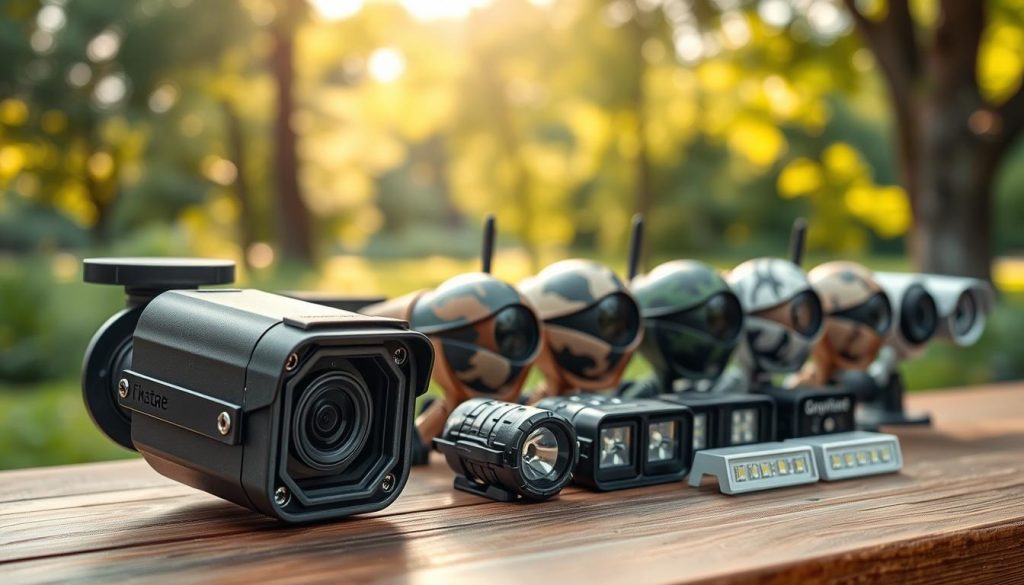
Aftermarket accessories represent a smart investment strategy for boosting the resilience of your current security infrastructure. You don’t need to replace your entire setup to gain better protection. Simple, cost-effective add-ons can significantly enhance durability against Singapore’s challenging conditions.
These practical solutions address specific weaknesses in your existing equipment. They provide an extra defensive layer against environmental and electrical threats. This approach empowers you to maximize your current investment’s longevity.
Using Protective Housings and Sun Shields
Additional environmental housings offer substantial benefits for installed equipment. These aftermarket enclosures upgrade a camera’s protection level dramatically. They provide physical defense against impact, vandalism, and extreme weather.
A robust secondary housing acts as a sacrificial shield. It takes the brunt of environmental punishment instead of the primary camera body. This is particularly valuable for plastic-housed CCTV units vulnerable to UV degradation.
Sun shields or lens shrouds deliver focused protection against Singapore’s intense sunlight. These simple accessories significantly reduce direct UV exposure to the camera housing. They also lower the internal operating temperature during peak heat periods.
Cooler operation extends the life of sensitive electronic components inside. Image sensors and processors perform better with consistent thermal management. This simple addition can slow plastic brittleness and lens discoloration over time.
Implementing Surge Protectors and Stable Power Supplies
Electrical protection is non-negotiable for reliable surveillance. Voltage spikes from lightning or grid fluctuations cause instant electronic failure. Dedicated surge protection devices (SPDs) create a vital safety barrier for your system.
Installing a quality surge protector is one of the most cost-effective insurance policies for your CCTV investment. It diverts harmful electrical surges away from sensitive camera electronics, preventing catastrophic damage.
These devices should be installed at both the main power entry point and individual camera lines. This layered approach ensures comprehensive protection throughout your security network. Look for SPDs with clear status indicators showing they’re still functional.
A clean, stable power supply is equally critical for component longevity. Power irregularities silently damage electronics over time. They cause gradual degradation that isn’t immediately apparent until failure occurs.
Invest in quality, branded power adapters for each camera. Avoid generic, unbranded power supplies that often deliver unstable voltage. Consider an Uninterruptible Power Supply (UPS) for critical monitoring points.
These practical measures require minimal investment compared to full system replacement. They represent smart maintenance strategies that deliver disproportionate benefits. Your existing surveillance setup gains enhanced resilience against Singapore’s specific challenges.
Regular checks of these accessories ensure they continue providing optimal protection. Include them in your regular maintenance routine alongside camera cleaning. This holistic approach creates a comprehensive defense for your property’s security.
Making an Informed Decision for Your Property’s Security
Empowered with the right knowledge, you can directly influence the longevity and effectiveness of your security setup. A camera’s lifespan is shaped by product durability, your local environment, consistent maintenance, and technological progress.
You control most of these factors. Adopting a long-term view turns security into a strategy, not just a purchase. This means choosing robust CCTV systems, ensuring proper installation, and committing to routine care.
Apply the principles from this guide. Assess your current surveillance against the signs it’s time for an upgrade. Use the buying checklist for future investments.
In Singapore, you can build a surveillance system that delivers reliable protection and excellent value for many years. Make informed choices for lasting peace of mind and property security.
FAQ
What is the typical service life for a modern security system?
A well-built surveillance system can reliably function for 5 to 10 years. Realistic expectations depend heavily on product quality, installation, and the local environment. Systems from brands like Hikvision or Dahua, with proper care, often reach the upper end of that range.
Why do IP network models sometimes fail sooner than older analog types?
A> Internet Protocol units have more complex internal electronics, like processors and network chips, which generate heat and can wear out. Traditional coaxial-based CCTV systems have simpler, more robust circuitry, often leading to a longer functional duration before physical failure.
How does Singapore’s climate specifically affect durability?
The constant high humidity and salty air accelerate corrosion on metal parts and connectors. Persistent UV radiation from the sun also degrades plastic housings and can cloud lenses over time, demanding more frequent checks and protective measures.
What regular upkeep is most critical for maximizing performance years?
Essential routines include cleaning the lens and housing every few months to remove dust and grime, ensuring firmware is updated for security and stability, and checking cable connections for moisture ingress. This proactive care prevents common issues.
My unit works, but the picture is poor. Should I replace it?
This is often a sign of technological obsolescence, not just physical failure. Older models may lack the resolution, night vision, or smart detection features of newer systems from Axis or Bosch. An upgrade might be necessary for effective monitoring, even if the device still powers on.
What should I look for when buying a product designed to endure?
Prioritize a high IP rating (like IP66 or IP67) for weatherproofing, metal construction over plastic, and reputable brands with strong local warranty support. Investing in quality upfront often results in a lower total cost of ownership over its lifespan.
Can how I use the system change how long it will function?
Absolutely. A camera recording continuously 24/7 experiences more wear on its internal storage and components than one using motion-activated recording. Similarly, models with pan-tilt-zoom mechanisms have more moving parts that may require servicing over time.


