
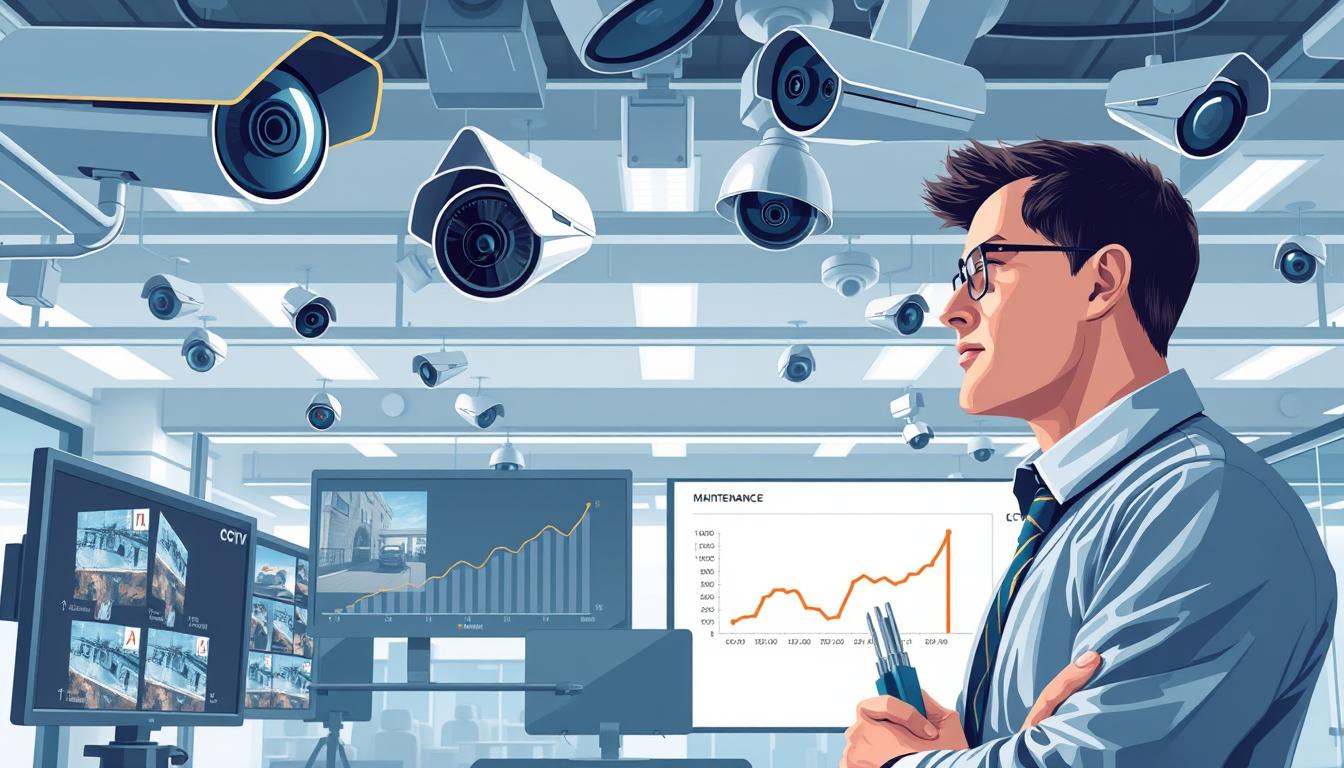
What is the lifespan of a CCTV system? Expert Insights
Investing in a security camera setup is a major decision for any home or business. You want reliable protection for your property and peace of mind. A common question centers on how long this technology will effectively serve you.
Expert consensus provides a clear benchmark. A typical surveillance system offers solid performance for 3 to 5 years. However, this isn’t a fixed expiration date. High-quality equipment, paired with proper care, can push functionality to an impressive 7 to 10 years.
This topic is critically important right now. In Singapore, reported thefts jumped by over 25% in the first half of 2023. Understanding your camera system’s potential longevity is the first step to maximizing your security investment.
Your system’s operational life is a variable outcome. It depends on equipment quality, maintenance routines, and environmental factors. This guide will provide actionable insights to help you optimize performance and plan for future upgrades.
Key Takeaways
- The average operational period for surveillance cameras ranges from three to five years.
- Premium systems with excellent care can function for nearly a decade.
- Regular check-ups and software updates are crucial for sustained performance.
- Singapore’s specific climate and security landscape directly impact camera longevity.
- Proactive maintenance is the best strategy to protect your security investment.
- Knowing when to upgrade is as important as the initial installation.
Why CCTV System Longevity Matters for Security in Singapore
Singapore residents and business owners face growing security challenges that demand persistent monitoring solutions. A reliable camera network provides more than just footage—it offers continuous peace of mind.
When surveillance equipment fails, protection gaps appear immediately. Understanding why durability matters helps you make smarter security investments.
The Rising Need for Reliable Surveillance
Recent crime statistics reveal a pressing concern. Theft cases jumped by over 25% in the first half of 2023.
This increase includes shoplifting and theft in homes and offices. The data highlights why dependable monitoring is crucial now.
Modern security threats continue evolving. Systems must remain operational and technologically relevant for years.
Visible cameras serve as powerful deterrents. Potential offenders often avoid properties with obvious surveillance.
Your equipment needs to function through weather changes and time. Consistent operation prevents incidents before they occur.
Consequences of System Failure for Homes and Businesses
For homeowners, a malfunction creates multiple vulnerabilities. Property loss becomes more likely without active monitoring.
Invasion of privacy risks increase significantly. Emotional distress follows any security breach on your property.
Businesses face even greater ramifications. Inventory loss can accumulate quickly without proper surveillance.
Liability issues may arise from inadequate security measures. Customer trust deteriorates when safety appears compromised.
Many insurance policies require functioning security systems. Non-compliance could affect claim approvals after incidents.
The financial impact deserves careful analysis. Proactive maintenance costs less than emergency repairs.
Total replacement after failure often exceeds planned upgrade expenses. A failing camera network creates vulnerabilities during critical moments.
Investing in longevity means investing in uninterrupted protection. Your security should never take a break.
Cameras that last longer deliver better value over time. They improve security consistently without unexpected gaps.
Regular maintenance addresses small problems before they expand. This approach ensures your surveillance remains effective year after year.
Choosing quality equipment from the start pays dividends. Reliable performance protects your assets and provides lasting confidence.
What is the Average Lifespan of a CCTV System?
Industry data provides clear guidance for planning your security setup. Most monitoring equipment follows predictable service patterns.
Understanding these timelines helps with budgeting and maintenance scheduling. It also prevents unexpected security gaps when equipment fails.
The Standard 3 to 5-Year Benchmark
Security professionals consistently reference a three to five-year window. This represents the typical effective period for standard surveillance gear.
Consumer-grade models often occupy the lower end of this range. They usually last just two to three years under normal conditions.
Several factors explain this benchmark. Electronic components degrade gradually over time.
Image sensors lose sensitivity with continuous use. Environmental stress accelerates wear on all camera parts.
Experts frequently recommend evaluating your setup around the three-year mark. Technological advancements make older systems less competitive.
Newer models offer better resolution and smarter features. Upgrading periodically ensures your security remains effective.
How High-Quality Systems Can Last 7-10 Years
Professional-grade equipment changes the longevity equation completely. These systems boast superior construction and components.
Brands like Avigilon, Uniview, and Axis build cameras for endurance. Their products routinely deliver five to ten years of reliable service.
What separates professional from consumer gear? Industrial-grade materials resist weather and physical damage better.
Higher quality image sensors maintain clarity longer. Robust internal electronics handle continuous operation without overheating.
Proper care extends this advantage even further. Regular maintenance helps premium cameras reach their full potential.
Outdoor-rated models demonstrate this durability best. They withstand Singapore’s heat and humidity year after year.
“Investing in professional surveillance isn’t just about better footage today—it’s about reliable protection for the next decade.”
Remember, “average” doesn’t mean guaranteed for any equipment. Your specific cctv system might perform differently.
Many variables influence how long cameras remain fully functional. Understanding these averages provides a helpful starting point.
However, knowing what affects service life matters more for planning. The next section explores these critical factors in detail.
Key Factors That Determine Your CCTV System’s Lifespan
Several key elements dictate the service life of monitoring equipment in any setting. These variables work together to affect long-term performance significantly.
Understanding these factors empowers you to make informed decisions. You can extend operational periods through smart choices and proper care.
Equipment Quality: Brand, Components, and Build
Not all surveillance gear is created equal. The quality of internal parts and external housing makes a dramatic difference.
Reputable manufacturers like HikVision, Samsung, Axis, and Uniview use superior components. Their image sensors maintain clarity far longer than budget alternatives.
Robust construction combats wear and tear effectively. Industrial-grade materials in professional cameras resist physical damage better.
Superior manufacturing standards directly extend functional life. High-grade electronics handle continuous operation without overheating issues.
Environmental Conditions: Heat, Humidity, and Weather
Singapore’s tropical climate presents unique challenges. Persistent heat and high humidity accelerate corrosion and electronic failure.
Heavy rainfall tests waterproof seals constantly. Dust accumulation can clog vents and obscure lenses over time.
Outdoor cameras face the harshest conditions. They require appropriate IP (Ingress Protection) ratings for reliable performance.
Temperature fluctuations stress internal components. Proper housing selection mitigates these environmental stressors effectively.
“A premium camera placed in an unprotected location will fail much sooner than a properly housed mid-range model. Environment often trumps initial equipment quality.”
Usage Patterns: Constant vs. Motion-Activated Recording
How you operate your cctv systems impacts their durability. Constant 24/7 recording creates continuous operational load.
This constant operation generates internal heat. Over years, this thermal stress can shorten component lifespan.
Motion-activated recording offers a smarter approach. Intermittent use reduces wear on critical parts significantly.
Smart protocols promote longevity by minimizing unnecessary operation. They also reduce storage requirements and power consumption.
These several things interact in complex ways. A high-quality camera can still fail early in harsh conditions.
Conversely, proper protection can extend even modest equipment’s service life. Regular maintenance addresses small issues before they expand.
Audit your current setup against these critical factors. Identify potential weak points that could be shortening operational periods.
Proactive adjustments based on this understanding protect your security investment. They ensure reliable monitoring for the longest possible time.
Recognizing the Common Signs of an Aging CCTV System
Your surveillance equipment won’t fail suddenly without warning signs appearing first. Learning to spot these symptoms helps you address problems early. This proactive approach prevents security gaps during critical moments.
Regular visual and functional checks form your diagnostic toolkit. They reveal when components need service or replacement. Catching deterioration before complete failure saves money and maintains protection.
Deteriorating Image Quality and Clarity
Footage degradation provides the clearest evidence of aging hardware. Modern cctv cameras should deliver sharp, colorful video. Persistent blurriness or pixelation signals lens or sensor issues.
Look for increased digital noise in low-light conditions. Colors may appear washed out or inaccurate. These artifacts undermine the primary purpose of your surveillance setup.
Unusable evidence results from poor image quality. A camera that cannot identify faces or license plates offers little value. This deterioration often happens gradually, making regular review essential.
“Blurry footage is worse than no footage—it creates illusion of security without delivering actual protection.”
Increasing System Glitches and Failures
Intermittent malfunctions can be more dangerous than total breakdowns. They create a false sense that your system still work well. Software freezes or random reboots point to hardware stress.
Failed recordings represent serious security vulnerabilities. You might discover missing footage after an incident occurs. Connectivity dropouts make remote monitoring unreliable.
These problems often stem from obsolete software or failing components. Addressing them promptly ensures continuous operation. Don’t ignore occasional glitches—they typically worsen over time.
Physical Wear and Damage to Cameras
External inspection reveals much about internal condition. Cracked or faded housings no longer protect delicate electronics. Singapore’s humidity accelerates corrosion on metal parts.
Fogged lenses that cleaning cannot fix indicate seal failure. Moisture inside the housing leads to rapid circuit board damage. Frayed cables create connectivity issues and fire hazards.
Physical damage allows environmental elements to penetrate. Once moisture or insects enter, internal failure follows quickly. Well-maintained cctv cameras should show minimal external wear.
Spotting these signs allows for planned intervention. Emergency replacements cost more than scheduled upgrades. Your vigilance ensures cameras last their full potential service life.
Recognizing aging symptoms connects directly to maintenance strategies. Many issues can be mitigated with proper care routines. The next section details proactive steps to extend operational periods.
Proactive Maintenance: Your First Line of Defense
The longevity of your surveillance investment hinges directly on the care it receives. Consistent upkeep prevents minor issues from becoming major failures. This disciplined approach is your most powerful tool for extending operational periods.
Think of maintenance as a non-negotiable insurance policy for your security. It keeps your equipment in good shape and running smoothly. Data shows properties with regular upkeep experience up to 76% fewer security incidents.
Effective care combines professional expertise with simple owner routines. A comprehensive strategy addresses both hardware and software. This dual focus maximizes your system’s potential.
Scheduling Regular Professional Inspections
Annual check-ups by certified technicians are essential. These experts perform diagnostics that go far beyond a visual glance. They catch problems you might easily miss.
A thorough inspection includes several critical tests. Technicians verify recording integrity and power supply stability. They also check cable connections and assess overall network health.
These regular checks provide a detailed performance report. You gain confidence that every component functions correctly. Professional solutions identify wear before it causes downtime.
Essential Cleaning Procedures for Lenses and Housings
Dust, spider webs, and grime degrade image quality quickly. Regular cleaning prevents this visual deterioration. Proper technique protects delicate components from damage.
Always use a soft, dry microfiber cloth for lenses. Gently wipe in a circular motion to avoid scratches. For stubborn spots, lightly dampen the cloth with distilled water.
Clear housings using compressed air to blow away debris. Never spray cleaning fluids directly onto the cameras. This simple routine maintains crystal-clear footage month after month.
Cleaning camera lenses and housings is the simplest, most effective way to prevent image degradation. It costs almost nothing but delivers immediate visual improvements.
The Critical Role of Firmware and Software Updates
Digital updates are as important as physical cleaning. Manufacturers release patches to fix bugs and close security gaps. These updates can make your entire cctv system 20% more efficient.
Firmware upgrades improve stability and often add new features. They patch vulnerabilities that hackers could exploit. An outdated system is an insecure one.
Schedule monthly checks for available updates. Many providers include this service in maintenance packages. Applying patches promptly ensures your security technology remains current and robust.
This proactive maintenance triad—inspections, cleaning, updates—directly extends your equipment’s lifespan. It transforms reactive repairs into planned, cost-effective care. Your vigilance ensures continuous, reliable protection.
Optimizing the Environment for Maximum Durability
The physical installation environment plays a decisive role in determining how long your security cameras will remain operational. Singapore’s unique climate demands specific protective measures. Proper environmental management can dramatically extend equipment service life.
This approach transforms vulnerable electronics into resilient security assets. It addresses heat, humidity, and weather challenges directly. Strategic optimization prevents premature failure and maintains consistent performance.
Choosing the Right Camera Housing for Singapore’s Climate
Appropriate housing represents your first defense against environmental stress. The right enclosure protects delicate internal components. It ensures your surveillance gear continues to work well despite challenging conditions.
IP (Ingress Protection) ratings provide crucial guidance. These codes indicate dust and water resistance levels. For Singapore’s climate, prioritize ratings like IP66 or IP67.
IP66 housing withstands powerful water jets from any direction. IP67 offers complete protection against temporary immersion. Both ratings prevent dust penetration that could cause internal problems.
Material selection matters equally for long-term durability. Corrosion-resistant aluminum alloys handle humidity effectively. UV-stabilized polycarbonate resists sunlight degradation over years.
Consider specialized housings for extreme conditions. Thermal housings regulate internal temperature during heatwaves. Vandal-proof domes provide physical protection in high-risk areas.
Proper housing directly impacts outdoor cameras performance. It maintains internal electronics in optimal condition. This protection helps make cctv installations more reliable over time.
Strategic Placement to Minimize Environmental Stress
Where you mount cameras significantly affects their longevity. Thoughtful placement reduces exposure to damaging elements. It creates natural protection against Singapore’s environmental challenges.
Mount cameras under eaves or overhangs for rain protection. This simple step prevents direct water exposure during storms. Ensure proper angling to avoid afternoon sun beating directly on lenses.
Create drip loops in all cable runs. These U-shaped bends prevent water traveling along wires into connections. Use weatherproof junction boxes for all electrical connections.
Coastal areas require additional precautions. Salt air accelerates corrosion on metal components. Consider more frequent cleaning schedules for these locations.
Industrial zones present chemical pollutant risks. These substances can degrade housing materials faster. Regular inspection helps identify early deterioration signs.
Protect cables and connections—often the weakest links. Use conduit for exposed wiring runs. Ensure all connectors have proper weather sealing.
Analyze your property’s micro-climates. Identify areas with poor air circulation or reflected heat. These spots create particularly harsh conditions for electronics.
Proper drainage prevents water accumulation near equipment. Ensure mounting surfaces slope slightly downward. This prevents pooling that could lead to moisture issues.
Strategic placement complements housing quality. Together they create comprehensive environmental protection. Your cctv cameras will deliver consistent performance for years.
Environmental optimization reduces stress on the entire system. It addresses the factors discussed in earlier sections directly. This proactive approach enhances overall security reliability.
View each camera location through an environmental lens. Consider sun exposure, rain direction, and air quality. These considerations help your outdoor cameras withstand Singapore’s climate effectively.
Smart Storage and Data Management for System Health
Behind every clear surveillance image lies a complex data management infrastructure that directly influences system stability. Your recording hardware and storage protocols form the silent backbone of reliable security monitoring. Neglecting this critical component can undermine even the most advanced camera networks.
Intelligent data handling extends far beyond simple recording. It encompasses storage technology choices, retention policies, and maintenance routines. These elements work together to ensure your evidence remains accessible and your entire setup runs smoothly.
Proper storage management prevents system-wide failures. It also optimizes performance for the long cctv service life you expect. This approach transforms raw data into actionable security intelligence.
How Storage Solutions Impact Overall System Longevity
Your choice between local and cloud-based storage creates different reliability profiles. Local Network Video Recorders (NVRs) and Digital Video Recorders (DVRs) offer direct control. Cloud solutions provide off-site redundancy and remote access.
Each option affects how long your overall setup remains functional. Local storage depends heavily on physical hardware durability. Cloud services shift this responsibility to the provider’s infrastructure.
A failing storage device can cripple an entire security network. Overburdened hard drives cause system crashes, freezes, and corrupted footage. These issues create dangerous security gaps during critical moments.
Surveillance-grade hard drives are engineered for constant write cycles. Consumer-grade models fail much sooner under 24/7 recording demands. Investing in appropriate storage hardware is non-negotiable for reliability.
“The storage unit is the heart of the surveillance system. When it fails, the entire network stops beating. Always prioritize enterprise-grade drives designed for continuous operation.”
Regular monitoring of drive health indicators is essential. Tools like S.M.A.R.T. diagnostics provide early failure warnings. Addressing these alerts promptly prevents catastrophic data loss.
Ensure adequate free space exists on all storage devices. Constantly full drives experience accelerated wear. They also risk overwriting crucial evidence during incidents.
Implementing Effective Data Retention Policies
A structured retention strategy balances legal requirements with practical storage needs. Singapore’s Personal Data Protection Act (PDPA) influences how long you must keep footage. Different sectors face specific regulatory timelines.
Most residential properties maintain 30 to 60 days of recorded video. Commercial establishments often require 90 days or more. Financial institutions and casinos typically mandate lengthier retention periods.
Automated overwrite cycles manage storage load efficiently. Older footage gets replaced systematically when space runs low. This process maintains continuous recording without manual intervention.
Motion-activated recording dramatically reduces storage consumption. Cameras only capture footage when sensors detect activity. This approach can decrease storage needs by over 70% in low-traffic areas.
Adjustable video quality settings offer another optimization tool. Lower resolution during quiet periods saves substantial space. Higher quality kicks in automatically when motion occurs.
Implement regular data integrity checks within your maintenance routine. Verify that recordings are complete and playable. Corrupted files provide no security value and waste storage capacity.
Smart data management extends the life of storage components. It reduces constant strain on hard drives and network resources. Your entire cctv system benefits from this organized approach.
Compliance with retention regulations protects against legal complications. Proper documentation of your policies demonstrates responsible data handling. This foresight becomes crucial if footage is needed for investigations.
Effective policies ensure your security investment delivers maximum value. They keep the recording infrastructure running optimally for years. This proactive management supports the overall health and durability of your surveillance network.
Ensuring a Stable Power Supply and Backup
Power irregularities rank among the top causes of premature failure for electronic security components in Singapore. Thunderstorms and grid fluctuations can silently undermine your entire investment.
A clean, consistent electrical feed is the bedrock of reliable monitoring. Without it, even the most advanced cameras and recorders become useless. Protecting this vital resource is a core part of proactive security management.
This approach involves two key strategies: defense against sudden power events and planning for continuous operation. Both are essential for keeping your surveillance network active.
Protecting Against Power Surges and Outages
Singapore’s frequent thunderstorms generate powerful electrical surges. These spikes can travel through wiring and instantly destroy sensitive camera electronics.
A basic power strip offers no real protection. You need dedicated surge protection devices at the main panel and individual outlets. This creates a layered defense for your cctv systems.
The most critical investment is an Uninterruptible Power Supply (UPS). This device does two jobs perfectly. It filters incoming power to remove harmful spikes and sags.
During a blackout, it instantly switches to battery power. This gives your system time to shut down properly or continue running. Not all UPS units are equal for surveillance duty.
Consumer models often provide only minutes of backup. Surveillance-grade units offer cleaner power output and longer runtime. They are built to handle the constant load of recording equipment.
“Calculating the correct UPS capacity is straightforward. Add the wattage of your NVR/DVR and all cameras. Then choose a UPS with a VA rating at least 20-25% higher than that total. This headroom ensures it will work well under load and last for years.”
Regular maintenance checks should include power supplies and connections. Look for frayed cables, loose plugs, or overheating adapters. These are common problems that lead to unexpected failure.
Planning for Uninterrupted Surveillance
For critical areas, minutes of backup may not be enough. Planning for extended coverage requires additional strategies. The goal is to maintain security visibility through any outage.
One effective method is prioritizing essential cameras on a dedicated UPS. A high-capacity unit can keep key views active for several hours. This is crucial for entry points and cash handling areas.
For truly resilient setups, consider hybrid solutions. Solar-powered battery backups can recharge during the day. They provide renewable energy for cameras in remote or off-grid locations.
Physical protection of power infrastructure is equally important. Properly secure and conceal all cables and adapters. Use conduit for outdoor runs and waterproof junction boxes.
This prevents weather damage, tampering, or accidental disconnection. A neatly organized power setup is easier to troubleshoot and maintenance. It also reduces risks from the environment.
Your backup plan is only good if it functions when needed. Periodically test every UPS and battery system. Simulate a power failure to verify switchover and runtime.
Mark these tests on your maintenance calendar. Replace batteries according to the manufacturer’s schedule, usually every 3-5 years. This proactive habit prevents nasty surprises during a real emergency.
A stable power supply reduces thermal and electrical stress on all components. This directly contributes to a longer operational period for your entire setup. When your equipment receives clean power, everything runs smoothly and lasts longer.
Understanding these principles is key to maximizing your investment. For more insights on general durability factors, explore this detailed resource on how long CCTV systems can last. By mastering power management, you ensure your system‘s operational readiness is never compromised by preventable electrical issues.
When to Upgrade: Identifying the Right Time for Replacement
A proactive upgrade timeline transforms security maintenance from unexpected expense into planned investment. Knowing when to transition to newer equipment ensures continuous protection without dangerous gaps.
Most surveillance networks require refreshing every five to seven years. Rapid technological advancement sometimes demands earlier updates. A strategic approach turns this necessity into a security enhancement opportunity.
Technological Obsolescence vs. Physical Failure
These two upgrade triggers demand different responses. Understanding the distinction prevents wasted resources on unfixable issues.
Technological obsolescence occurs when equipment functions but lacks modern capabilities. Your cameras might capture footage, but the resolution proves inadequate for identification.
Night vision could be insufficient for complete darkness coverage. Missing AI analytics cannot differentiate between people, vehicles, and animals.
Smart integration with other security components remains impossible. The system works technically but fails strategically.
Physical failure means components stop functioning entirely. Cameras produce no image despite power and connections.
Recorders refuse to save any video footage. These breakdowns usually stem from age, environmental damage, or component wear.
Diagnosing your situation correctly saves time and money. Obsolescence suggests planned technology refresh. Physical failure often requires immediate replacement.
Clear indicators help identify each scenario. Persistent blurry images despite cleaning suggest sensor degradation.
Incompatibility with modern software platforms signals technological aging. Frequent glitches after maintenance point toward physical component issues.
Upgrading addresses both concerns effectively. Newer cctv tech brings enhanced reliability alongside advanced features.
“The most dangerous surveillance gap occurs when you think your system works, but its footage provides no usable evidence. Technological obsolescence creates this illusion of security.”
Aligning System Capabilities with Evolving Security Needs
Your property and threats change over time. A static surveillance setup cannot address dynamic security challenges effectively.
Periodic reassessment ensures coverage remains comprehensive. Have new blind spots appeared from construction or landscaping?
Does current camera placement still monitor all entry points? Have neighborhood crime patterns shifted requiring different focus areas?
Modern security needs extend beyond basic recording. Integration creates powerful ecosystems.
New cctv tech connects seamlessly with alarm systems and access controls. This unified approach delivers more robust protection.
A 2023 security survey revealed compelling data. Properties with updated surveillance experienced 40% fewer burglary attempts.
The cost-benefit analysis favors strategic upgrades. Upfront investment brings multiple returns.
Improved deterrence prevents incidents before they occur. Superior evidence quality supports investigations and insurance claims.
Reduced maintenance costs on aging gear free resources. Some insurers offer premium discounts for modern security installations.
Phased implementation manages budget effectively. Start with critical areas needing immediate enhancement.
Gradually expand coverage as resources allow. This approach maintains protection while spreading costs.
Your surveillance equipment should evolve alongside your security requirements. Regular capability assessment ensures your investment continues delivering value.
Strategic upgrades transform necessary expenses into valuable security enhancements. They keep your property protected with current technology.
Navigating Legal and Compliance Issues in Singapore
Legal compliance forms the foundation of any effective surveillance strategy in Singapore. Your security investment must operate within a clear regulatory framework. Ignoring these rules can lead to serious consequences beyond technical failure.
Non-compliance with surveillance laws carries significant penalties. Fines can reach substantial amounts under Singapore’s regulations. More importantly, improperly obtained footage may become inadmissible in legal proceedings.
This invalidates the primary purpose of your monitoring system. Understanding these requirements protects both your property and legal position. A compliant approach ensures your evidence stands up when needed most.
Understanding PDPA and Privacy Laws for CCTV Use
Singapore’s Personal Data Protection Act (PDPA) governs all CCTV usage involving personal data. This legislation establishes three core principles for lawful monitoring. Every operator must understand necessity, notification, and consent requirements.
The necessity principle means cameras should only cover areas requiring legitimate monitoring. Position equipment to capture essential security zones without excessive coverage. Avoid areas where individuals expect complete privacy.
Clear boundaries exist between public, private, and restricted spaces. Monitoring common areas like lobbies or parking lots is generally acceptable. Recording inside bathrooms or changing rooms is strictly prohibited.
Notification requires informing people they’re under surveillance before recording begins. This applies to employees, customers, and visitors alike. Proper signage fulfills this notification obligation effectively.
Consent is often obtained through implied means when entering monitored premises. By proceeding past clear warning signs, individuals acknowledge recording may occur. This creates a legally sound foundation for your surveillance activities.
Proper Signage and Data Retention Compliance
Effective signage serves as your first line of legal defense. Signs must be clearly visible at all entry points to monitored properties. They should state the purpose of recording in simple language.
Include contact information for the data controller or security manager. This allows individuals to inquire about footage or raise concerns. Standard signage templates are available from Singapore’s privacy commission.
Place signs at eye level where they’re impossible to miss. Use multiple languages if your property serves diverse communities. Illuminated signs work best for 24/7 visibility.
Data retention policies complete your compliance framework. Establish clear timelines for keeping recorded footage. Residential properties typically maintain 30 to 60 days of video.
“A compliant CCTV system does more than avoid fines—it builds trust by demonstrating responsible data management to everyone on your property.”
Commercial establishments often require 90 days or longer retention periods. Banks and casinos face specific regulatory needs extending beyond standard timelines. Document your retention policy and apply it consistently.
Secure storage protects footage from unauthorized access or tampering. Implement automatic deletion after your established retention period ends. This demonstrates responsible data handling practices.
Regular maintenance should include compliance checks. Verify all signs remain visible and legible. Ensure your retention system functions correctly without manual intervention.
These legal solutions create sustainable monitoring operations. They prevent disruptive investigations or forced modifications to your setup. Your cameras provide protection without creating legal vulnerabilities.
Business operators and homeowners both benefit from this compliant approach. It transforms your surveillance investment into a legally sound asset. Proper adherence to regulations ensures long-term effectiveness and peace of mind.
Cost-Benefit Analysis: Budgeting for Long-Term CCTV Value
The true expense of surveillance extends far beyond the initial price tag on the equipment box. Smart financial planning transforms cameras from a simple purchase into a strategic asset. This perspective helps you maximize protection while controlling lifetime costs effectively.
Understanding the complete financial picture prevents nasty surprises. It ensures every dollar spent on monitoring delivers tangible value. This approach aligns robust security with sound household or business budgeting.
Calculating the Total Cost of Ownership
Total Cost of Ownership (TCO) is your essential financial framework. It accounts for every expense across the entire service period. Looking only at purchase price misses most costs you will actually pay.
TCO breaks down into three clear categories. Capital expenditure covers equipment and professional installation. Operational expenditure includes power, internet, and any cloud subscription fees.
Maintenance and replacement costs form the third category. This includes cleaning supplies, technician inspections, and part swaps. Eventually, budgeting for a new cctv system becomes necessary.
A cheap, low-quality setup often has a deceptive TCO. The initial price seems attractive. However, high failure rates lead to frequent repairs and early replacement.
Premium quality equipment changes this equation completely. Higher upfront investment typically leads to much lower ongoing costs. These cameras are built to last longer and work well for many years.
“The most expensive system is the one you have to replace every two years. Calculate cost per day of reliable coverage, not just the sticker price.”
Budgeting for Maintenance, Upgrades, and Replacement
A practical annual budget keeps your security investment healthy. Allocate funds for professional inspections and basic cleaning supplies. Include a line for potential part replacements like power adapters or cables.
Creating a sinking fund for future upgrades is wise. Setting aside a small amount each month builds reserves painlessly. This prepares you for technology refreshes every five to seven years.
Preventive maintenance offers tremendous financial benefits. Scheduled, minor expenses avoid catastrophic repair bills. They also prevent total system failure during critical moments.
Consider the value-over-time metric for your setup. Divide your TCO by the number of days you expect reliable coverage. This reveals the true daily cost of your peace of mind.
Many providers offer comprehensive cctv solutions deals. These packages bundle equipment with installation and support services. Evaluating these solutions deals can simplify budgeting and improve long-term value.
This pragmatic approach empowers you to make financially savvy decisions. Whether choosing new gear or managing existing equipment, you extract maximum value. Your surveillance becomes a calculated investment, not just an expense.
Choosing the Right Equipment for Your Specific Needs
The durability of your monitoring network begins with choosing the correct camera type for each location. Not all surveillance gear is designed for the same job. Matching the technology to your property’s unique demands is the single best way to ensure reliable, long-term performance.
This practical guide helps you navigate key choices. You will learn how construction differences impact how long cameras last. We focus on aligning equipment design with environmental and operational needs.
Indoor vs. Outdoor Cameras: Durability Differences
Indoor and outdoor models are built for completely different challenges. Indoor cctv cameras prioritize discreet aesthetics and basic function. They often lack the robust sealing needed to fight the elements.
Outdoor-rated equipment is engineered for survival. It requires durable housing made from corrosion-resistant materials. High IP (Ingress Protection) ratings are non-negotiable for reliable operation.
For Singapore’s climate, specific features are essential. Look for ratings like IP66 or IP67 to withstand torrential rain. UV-protected housing prevents plastic from becoming brittle under constant sun.
Use this checklist when selecting outdoor cameras:
- IP Rating: Minimum IP66 for dust-tight and heavy rain protection.
- Material: Aluminum alloy or UV-stabilized polycarbonate housing.
- Temperature Range: Must handle Singapore’s consistent heat and humidity.
- Vandal Resistance: IK10 rating for areas prone to tampering.
Installing an indoor model outside guarantees a very short service life. The right housing is your first line of defense. It directly determines whether your security investment endures.
Fixed-Lens vs. PTZ: Balancing Features with Lifespan
The choice between fixed and PTZ (Pan-Tilt-Zoom) models involves a classic trade-off. Fixed-lens cameras offer simplicity and reliability. With no moving parts, they cameras usually enjoy a longer operational lifespan.
PTZ units provide incredible flexibility. They can cover large areas, track movement, and zoom in on details. This functionality comes from internal motors, gears, and belts.
That mechanical complexity is the trade-off. More moving parts mean more potential points of failure. PTZ systems typically require more frequent maintenance and may have a shorter service life.
“Fixed cameras are the reliable workhorses for constant coverage. PTZ cameras are the strategic tools for monitoring dynamic, unpredictable spaces. Use each where it makes the most sense.”
For optimal longevity and coverage, use a mixed strategy. Place fixed camera units on critical entry points and high-value areas. Their constant, reliable view forms your security backbone.
Employ PTZ cameras to monitor large, open spaces like parking lots or warehouses. If PTZ functionality is essential, choose models from reputable brands. High-quality motors and gears are crucial for durability.
Remember, the “right” equipment isn’t the one with the most features. It’s the one whose design perfectly aligns with its location and expected use. This informed choice at the selection stage prevents the common pitfall of installing gear fundamentally unsuited to its environment.
The Impact of Technological Advances on System Longevity
Modern surveillance technology offers more than just sharper images—it fundamentally changes how long your security infrastructure can remain effective. Today’s intelligent cctv solutions are engineered for sustainability alongside capability.
Smart features reduce mechanical and digital strain on components. This approach extends operational periods significantly beyond traditional expectations.
When you learn latest cctv innovations, you discover systems designed for endurance. They address the core factors that typically shorten service life.
How AI and Smart Features Can Enhance Durability
Artificial Intelligence transforms passive recording into active, efficient monitoring. Cameras with onboard analytics make intelligent decisions in real-time.
Human and vehicle detection algorithms filter out irrelevant motion. This means recording only meaningful events instead of 24/7 footage.
The reduction in constant data writing is substantial. Storage drives experience less wear, and network bandwidth usage drops dramatically.
Processing heat decreases when systems aren’t analyzing empty scenes continuously. Cooler operation directly contributes to longer electronic component life.
Edge computing represents a major durability advancement. Analytics processed within the camera itself offload work from central recorders.
This creates a distributed, resilient architecture. If one component faces issues, others continue functioning independently.
Key smart features that promote longevity include:
- Object classification that distinguishes between people, vehicles, and animals
- Loitering detection that activates recording only during suspicious activity
- Facial recognition that reduces false alerts from authorized personnel
- Heat mapping that optimizes camera focus on high-traffic zones
These capabilities make your entire setup work smarter, not harder. Reduced operational load translates directly to extended service life.
“The most durable surveillance system is the one that knows when to rest. AI-powered cameras conserve resources by focusing only on genuine security events, which dramatically reduces component stress over years of operation.”
Integration with Broader Security Systems
Standalone cameras represent outdated thinking. Modern protection requires interconnected ecosystems that work in harmony.
When your monitoring network communicates with intrusion alarms, magic happens. A forced door trigger can immediately direct nearby cameras to zoom and follow.
Access control systems provide valuable context to surveillance footage. Knowing who entered an area legally helps filter security alerts effectively.
Integrated lighting systems enhance both deterrence and evidence quality. Motion-activated floods illuminate incidents for clearer identification.
This unified approach creates several longevity benefits:
- Redundant verification from multiple systems prevents false alarms
- Automated responses reduce manual intervention and human error
- Centralized management simplifies maintenance and updates
- Scalable architecture allows gradual expansion without full replacement
Open-architecture platforms avoid the “dead-end” technology trap. Proprietary systems often force premature upgrades when manufacturers discontinue support.
Modern standards ensure compatibility with future innovations. Your investment remains relevant as new technologies emerge.
To truly learn latest integration capabilities, consider these cctv solutions that connect with:
- Smart door locks and access control panels
- Intrusion detection sensors and glass break alarms
- Environmental monitors for fire or flood detection
- Building management systems for comprehensive oversight
This interconnected approach addresses evolving security needs efficiently. A system that grows with your requirements avoids obsolescence.
Investing in current, intelligent technology is an investment in sustainable protection. These latest cctv approaches ensure your monitoring remains capable and functional throughout its physical lifespan.
Smart systems manage themselves more effectively than outdated alternatives. They represent the forward-looking perspective essential for lasting surveillance value.
Selecting a Reputable Provider in Singapore
The company you select to install and maintain your surveillance system becomes an extension of your security strategy for years to come. Your provider’s expertise determines how effectively your equipment performs from day one through its entire service period.
Quality hardware alone cannot guarantee reliable protection. The installation process and ongoing support are equally critical components. A trusted partner ensures your investment delivers maximum value and peace of mind.
Singapore’s security landscape demands providers with local experience. They understand unique environmental challenges and regulatory requirements. This knowledge translates into cctv solutions that are both effective and compliant.
The Importance of Professional Installation
Certified technicians bring specialized skills that DIY efforts cannot match. They ensure every component functions optimally from the start. Proper installation prevents common issues that shorten equipment life.
Expert installers assess your property’s specific needs thoroughly. They identify optimal camera placements for complete coverage without blind spots. Correct angling maximizes field of view and evidence quality.
Weatherproofing is executed with precision in Singapore’s humid climate. All external connections receive proper sealing against moisture and dust. Conduit protects cables from physical damage and environmental stress.
Stable mounting prevents vibration and movement that degrades image clarity. Power supplies are configured correctly to avoid voltage fluctuations. These details keep your surveillance network in good shape.
DIY installations often contain hidden flaws. Incorrect cable handling can cause signal interference or connection failures. Improper weather sealing leads to rapid internal corrosion.
Such mistakes frequently void manufacturer warranties. They create vulnerabilities that become apparent only during critical moments. Professional installation is insurance against these preventable failures.
“A perfectly engineered camera installed poorly is less reliable than a modest camera installed by experts. The installation process is where theoretical performance becomes practical protection.”
Reputable companies like ED Viston or Wen Hong employ factory-trained technicians. Their teams follow strict protocols for every installation task. This disciplined approach ensures consistency and reliability.
Evaluating Warranty and After-Sales Support
A comprehensive warranty reflects the provider’s confidence in their work. Standard coverage typically spans two to three years for parts and labor. This protection period is crucial for your long-term investment.
Scrutinize warranty terms carefully before committing. Understand exactly what components are covered under the agreement. Clarify response times for service calls and repair procedures.
After-sales support distinguishes exceptional providers from basic vendors. Look for companies offering maintenance contracts with scheduled regular checks. These proactive checks keep everything running smoothly.
Responsive technical support is invaluable when issues arise. Providers should offer multiple contact channels for assistance. Quick resolution minimizes security gaps during equipment problems.
Access to firmware updates and technical advice extends system capabilities. A good partner helps you leverage new features as they become available. This support ensures your setup continues to work well over time.
When comparing solutions deals, consider these support elements alongside hardware specifications. The cheapest cctv solutions deals often exclude comprehensive after-sales service. This false economy leads to higher long-term costs.
Ask potential providers for client references and project portfolios. Inquire about their technicians’ certifications and manufacturer partnerships. These details reveal their commitment to quality and ongoing maintenance.
Reliable providers become long-term security partners. They help plan strategic upgrades as technology evolves. Their maintenance services prevent small issues from becoming major failures.
For guidance on timing your next equipment refresh, explore this resource on when to replace surveillance components. A good provider will offer similar strategic advice as part of their service.
Evaluate providers based on their entire service ecosystem. The best latest cctv solutions include robust installation and support frameworks. These comprehensive solutions deals protect your security investment completely.
Your surveillance provider should act as your security consultant, not just a equipment vendor. This partnership approach delivers lasting value and reliable protection. Choosing wisely establishes a foundation for years of effective monitoring.
Building a Sustainable CCTV Strategy for Lasting Security
A sustainable security strategy transforms your cameras from simple devices into long-term protective assets. This approach combines five key pillars: quality equipment, proactive maintenance, environmental hardening, technological updates, and legal compliance.
Together, these elements help your surveillance setup last longer and perform reliably. Regular maintenance checks prevent small issues from becoming major failures.
Smart technology integration and proper installation make CCTV systems more resilient. Understanding how to optimize each component extends the effective life cctv equipment delivers.
Developing a lifecycle plan for your monitoring network is essential. Schedule annual reviews of performance and emerging security needs. This proactive management improves security while controlling long-term costs.
Your vigilance today builds protection for tomorrow. By applying these insights, you ensure continuous coverage and peace of mind for many years.
FAQ
How long can I expect my surveillance system to last?
Most modern security camera setups function well for 3 to 5 years. With premium equipment from brands like Hikvision or Dahua and consistent care, your setup can remain in good shape for 7 to 10 years. Environmental factors and usage patterns greatly affect this duration.
What are the main things that shorten a security camera’s life?
Several things can make your cameras last a shorter time. Singapore’s intense heat and high humidity are tough on outdoor cameras. Constant, 24/7 recording also wears components faster than motion-activated modes. Choosing lower-quality gear is a common reason systems fail sooner.
What routine checks keep my system running smoothly?
Regular checks are your best defense. Schedule professional inspections to catch problems early. Clean camera lenses and housings to prevent image fogging. Always install the latest firmware updates from the manufacturer to fix bugs and improve security, keeping your tech in top shape.
When should I consider a full system replacement?
A: Consider upgrading when repairs become frequent or image quality drops permanently. If your current setup can’t use modern features like AI analytics or high-resolution streams, it’s likely obsolete. Aligning your gear with new security needs is key for effective protection.
How does professional installation make a system last longer?
Expert installation from a certified provider ensures cameras and wiring are protected from weather and physical damage. They use proper mounts, sealed connections, and surge protection. This correct setup from the start prevents many common failures and helps your investment work well for its full lifespan.
Post Tags : CCTV system longevity Effective maintenance for CCTV systems Expert advice on CCTV longevity Extended life span of security cameras Long-term performance of surveillance systems Maximizing CCTV system lifespan Security camera maintenance tips Surveillance equipment lifespan Video monitoring system durability


