
What is Annual Maintenance Service? Ultimate Guide
Keeping your business running smoothly requires proper care of your valuable assets. This involves scheduled check-ups and care for your equipment and systems.
This proactive approach helps extend the life of your machinery. It also improves operational performance while preventing unexpected breakdowns.
For Singapore businesses, this strategy brings significant advantages. The tropical climate demands special attention to equipment condition and reliability.
Regular care reduces emergency repairs and unplanned downtime. This translates to better efficiency and lower operational costs throughout the year.
Key Takeaways
- Scheduled yearly care extends equipment lifespan and enhances performance
- Prevents unexpected system failures and reduces emergency repair needs
- Improves operational efficiency and reduces overall business costs
- Customized solutions address Singapore’s specific climate requirements
- Provides predictable maintenance budgeting and better financial planning
- Maintains safety standards and compliance with local regulations
- Professional providers offer comprehensive inspection and upkeep services
What is Annual Maintenance Service?
Proactive maintenance planning establishes a foundation for uninterrupted business operations. This strategic approach involves systematic management of your valuable assets throughout the year.
The framework includes regular inspections and immediate attention to any issues. Necessary upgrades and adjustments keep everything performing at optimal levels.
This preventive strategy helps organizations avoid major equipment failures. It significantly reduces the need for expensive emergency repairs down the line.
Proper asset management through scheduled care enhances organizational productivity. Operational efficiency improves when systems receive consistent attention.
Following established schedules ensures compliance with Singapore’s specific safety regulations. This commitment to regular upkeep maintains high service quality across all operations.
Key components of effective yearly care programs include:
- Systematic equipment inspections and performance assessments
- Timely repairs and necessary component replacements
- Preventive strategies to avoid major operational disruptions
- Compliance with industry-specific safety standards
- Improved service reliability and consistent performance
- Better resource allocation and operational planning
- Reduced unexpected downtime and maintenance costs
Businesses benefit from consistent equipment performance and minimized operational disruptions. The systematic nature of these programs allows for predictable budgeting and planning.
Understanding the Annual Maintenance Contract (AMC)
These formal service arrangements guarantee ongoing technical attention for critical business assets. They represent structured agreements between companies and professional service providers.
AMC frameworks typically cover a full twelve-month period. This duration allows for comprehensive care and consistent performance monitoring.
Standard coverage includes regular scheduled visits from qualified technicians. Complete labor coverage and necessary parts replacement form the core of these agreements.
Many contracts extend beyond basic upkeep. They often incorporate software updates, system upgrades, and dedicated technical support.
This comprehensive approach significantly enhances asset functionality. Equipment operates at peak performance levels throughout the contract term.
Key industries benefit tremendously from these structured agreements:
- IT infrastructure systems require consistent updates and security patches
- Manufacturing equipment needs regular calibration and component replacement
- HVAC systems demand seasonal adjustments and filter changes
- Office technology benefits from software upgrades and performance optimization
The proactive nature of contract-based care prevents minor issues from escalating. This approach substantially reduces unexpected operational disruptions.
Customization options allow each business to tailor their agreement. Companies can adjust coverage levels to match specific operational requirements.
Budget constraints become more manageable with predictable scheduling. Financial planning improves when maintenance costs remain consistent throughout the year.
These structured frameworks ensure equipment reliability across all operations. Consistent performance translates to better productivity and reduced downtime.
The Critical Importance of Regular Maintenance for Businesses
Regular upkeep practices directly impact organizational productivity and financial outcomes. This systematic approach transforms how companies manage their operational assets and maintain peak performance.
Consistent maintenance serves as the foundation for sustained equipment reliability. It prevents unexpected breakdowns that disrupt business operations.
Proactive Problem Prevention
Early detection of potential issues prevents them from escalating into major equipment failures. Systematic inspections identify minor problems before they become costly repair situations.
This approach significantly reduces unexpected downtime and emergency repairs. Companies save both time and costs by addressing issues proactively.
Regular maintenance tasks extend asset lifespan dramatically. Equipment operates at optimal condition for longer periods.
Ensuring Safety and Compliance
Regular checks ensure everything meets strict safety standards. This reduces equipment-related accident risks in the workplace.
Maintaining compliance with Singapore’s specific regulations is crucial. Proper servicing keeps businesses aligned with local requirements.
Energy efficiency improves through consistent maintenance. This results in substantial cost savings for Singapore businesses.
This preventive approach builds organizational resilience. It fosters a culture centered on reliability and operational excellence.
For comprehensive guidance on implementing effective maintenance strategies, explore our detailed annual maintenance service overview.
Key Benefits of Investing in an Annual Maintenance Service
Strategic investment in comprehensive care programs transforms how organizations manage their operational assets. This approach delivers measurable advantages across multiple business dimensions.
Companies gain financial predictability while enhancing equipment performance. The systematic nature of these programs creates sustainable operational advantages.
Enhanced Equipment Reliability and Longevity
Regular attention significantly extends the functional lifespan of critical assets. Equipment operates at peak performance levels for extended periods.
This proactive approach prevents minor issues from escalating into major failures. Well-maintained machinery consumes less energy and requires fewer emergency interventions.
Asset valuation improves through consistent upkeep practices. Businesses protect their capital investments while maximizing operational returns.
Predictable Budgeting and Significant Cost Savings
Structured care programs eliminate unexpected repair expenses. Companies can allocate resources more effectively throughout the fiscal year.
Financial planning becomes more accurate with scheduled service intervals. Organizations avoid costly emergency interventions that disrupt cash flow.
Energy efficiency improvements translate to substantial operational savings. Reduced consumption directly impacts bottom-line performance for Singapore businesses.
Minimized Operational Downtime
Preventive strategies dramatically reduce unplanned equipment outages. Production continuity improves through systematic inspection routines.
Timely interventions address potential problems before they cause disruptions. This approach maintains consistent workflow and productivity levels.
Revenue generation increases when operations run smoothly without interruptions. Customer satisfaction improves through reliable service delivery.
Compliance with safety standards protects against regulatory penalties. Businesses maintain operational integrity while meeting Singapore’s specific requirements.
Core Components of Annual Maintenance Activities
Effective asset management relies on structured approaches to preserve operational integrity. These comprehensive programs combine thorough inspections with precise technical attention.
Regular check-ups form the backbone of reliable equipment performance. They systematically identify potential issues before they escalate.
Scheduled Equipment Inspections
Systematic examinations detect wear patterns and potential failure points early. Visual checks combined with performance testing assess overall equipment condition.
Diagnostic measurements provide crucial data about asset health. This proactive approach prevents minor problems from becoming major equipment failures.
Early detection saves significant time and resources for businesses. It maintains operational continuity while reducing emergency repair needs.
System Servicing and Timely Repairs
Comprehensive care includes cleaning, lubrication, and calibration procedures. These maintenance tasks ensure optimal system performance and efficiency.
Proper lubrication extends equipment lifespan dramatically. Regular cleaning maintains operational reliability throughout the year.
Swift response to repair needs minimizes operational disruption. Addressing issues promptly prevents extended downtime for any company.
Thorough maintenance records support future planning and decision-making. They provide valuable insights for optimizing asset management strategies.
“Preventive care transforms how organizations manage their critical assets. It builds resilience through systematic attention and timely intervention.”
This structured approach ensures compliance with safety standards. It maintains equipment reliability while supporting continuous business operations.
How Annual Maintenance Drives Equipment Reliability and Performance
Consistent equipment care transforms operational stability through systematic attention to critical components. This approach builds a foundation where machinery operates at peak levels without unexpected interruptions.
Regular check-ups identify potential weak spots before they escalate into major operational problems. Technicians assess all moving parts and systems during scheduled visits.
Early detection of issues prevents costly breakdowns that disrupt workflow. Companies save significant time and resources by addressing minor concerns promptly.
This proactive strategy extends machine lifespan dramatically. Well-maintained equipment delivers consistent output quality and operational efficiency.
“Systematic care programs create operational resilience that supports continuous business growth and customer satisfaction.”
Preventive measures ensure all systems function optimally throughout the year. This reliability directly enhances productivity and service delivery for Singapore businesses.
Key advantages of structured equipment care include:
- Regular performance assessments identify potential failure points before disruptions occur
- Proactive interventions significantly reduce the probability of unplanned downtime incidents
- Consistent maintenance activities maintain optimal performance standards and output quality
- Enhanced reliability contributes to increased productivity across various industries
- Well-maintained machinery operates more efficiently, reducing energy consumption
- Systematic programs create operational stability supporting competitive advantage
- Preventive approaches ensure consistent product quality and customer satisfaction
Equipment reliability becomes a competitive advantage for organizations. It supports business growth while maintaining high service standards.
This approach keeps operational costs predictable and manageable. Companies benefit from smoother workflow and better resource allocation.
Achieving Cost Predictability with an Annual Maintenance Plan
Structured maintenance agreements transform financial management for modern organizations. They create a framework where operational expenses become predictable and manageable.
Companies gain clear visibility into their upkeep budgets through fixed annual fees. This approach eliminates financial surprises while ensuring comprehensive asset protection.
Financial planning becomes more accurate with scheduled service intervals. Organizations avoid unexpected cash flow disruptions from emergency situations.
Breaking Down the AMC Cost Structure
Comprehensive agreements bundle multiple services into a single predictable expense. They typically include scheduled inspections, preventive tasks, and necessary part replacements.
Labor coverage forms a significant portion of these structured frameworks. Technical expertise comes included without additional hourly charges.
Transparent pricing models outline all covered services clearly. Businesses understand exactly what their investment includes from the beginning.
This clarity eliminates hidden fees that often plague reactive repair approaches. Companies budget confidently knowing their operational costs upfront.
Avoiding Unexpected Repair Expenses
Proactive care prevents minor issues from escalating into major financial burdens. Small problems get addressed before they require expensive solutions.
Emergency interventions often cost three to five times more than scheduled servicing. They also disrupt production and impact customer satisfaction negatively.
Structured programs significantly reduce unplanned equipment failures. This protection keeps operations running smoothly without budget-busting surprises.
Companies reinvest saved resources into growth initiatives rather than emergency fixes. Financial stability improves through consistent operational performance.
Key advantages of predictable maintenance budgeting include:
- Fixed annual fees cover comprehensive inspections and necessary part replacements
- Clear service inclusions provide transparency and eliminate hidden costs
- Preventive approaches avoid expensive emergency repairs and production losses
- Budget stability supports better financial forecasting throughout the year
- Structured frameworks help Singapore businesses manage operational expenses effectively
Financial predictability becomes a competitive advantage for growing organizations. It supports sustainable business practices while maintaining equipment reliability.
Strategies for Minimizing Downtime Through Scheduled Maintenance
Smart scheduling transforms how companies manage their operational continuity. This approach strategically organizes upkeep activities during low-activity periods.
Proactive planning prevents unexpected equipment failures that disrupt workflow. It maintains consistent performance while reducing emergency repair needs.
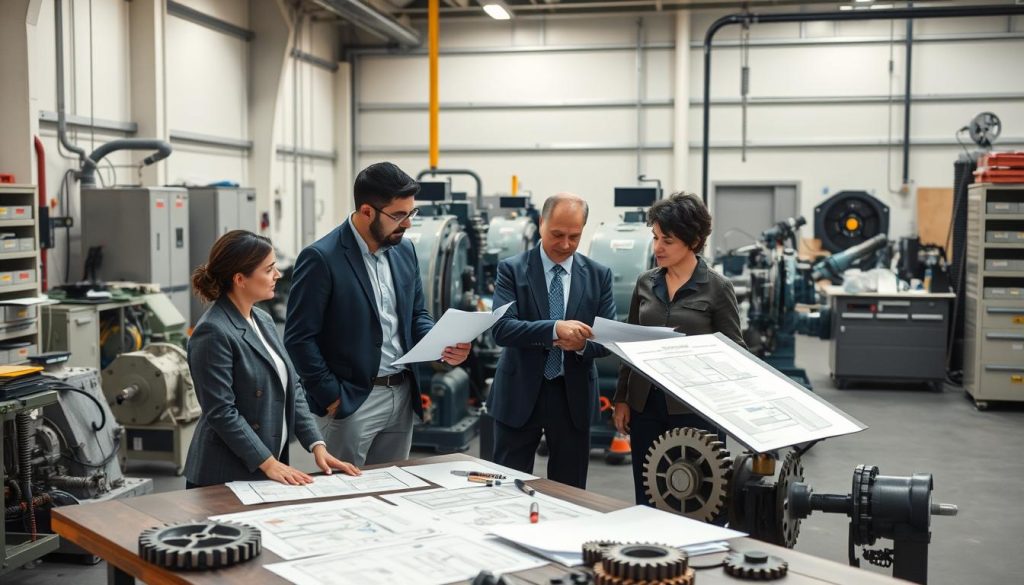
Timely interventions address potential problems before they escalate. This method keeps systems running smoothly without unexpected interruptions.
Resource allocation improves when maintenance tasks align with operational cycles. Companies optimize their workforce and materials more effectively.
Key advantages of strategic scheduling include:
- Systematic reduction of operational downtime through preventive approaches
- Alignment of upkeep activities with business cycles minimizes disruption
- Enhanced equipment reliability ensures consistent performance standards
- Emergency repair prevention eliminates lengthy production stoppages
- Optimized resource utilization improves overall operational efficiency
- Customer satisfaction increases through uninterrupted service delivery
- Cost reduction through better planning and resource management
Equipment condition remains optimal through regular attention. This prevents minor issues from becoming major breakdowns.
Production efficiency improves when systems receive care during planned pauses. Work continues without unexpected halts or quality problems.
Singapore businesses benefit from this structured approach to asset management. It supports continuous operations in the competitive market environment.
A well-executed plan maintains service consistency that keeps clients happy. It builds trust through reliable performance and timely delivery.
Accessing Expert Support and Technical Assistance
Professional technical support transforms how organizations manage their critical assets. This expertise becomes available through structured service agreements.
Skilled technicians bring specialized knowledge to every maintenance situation. They understand complex systems and can quickly identify potential problems.
Rapid response to equipment issues prevents extended operational downtime. Technical teams arrive prepared with proper tools and replacement parts.
This professional approach saves significant time and money for any business. Emergency repairs become less frequent with expert oversight.
In-house teams gain freedom to focus on core tasks. They no longer worry about equipment servicing or complex system issues.
Key advantages of professional technical assistance include:
- Specialized knowledge for specific equipment types and manufacturing systems
- Quick diagnosis and resolution of complex technical problems
- Reduced learning curve for new equipment and software updates
- Comprehensive troubleshooting capabilities beyond internal resources
- Guidance for strategic upgrades and system enhancements
- Proper maintenance procedures that enhance equipment reliability
- Continuous operational support during business hours
Technical experts follow established protocols for every maintenance task. This ensures consistent quality across all servicing work.
Companies benefit from this professional relationship in multiple ways. Equipment performance improves while operational costs decrease.
Customer satisfaction increases when systems function reliably. Service providers become trusted partners in business success.
This support network extends beyond basic repair work. It includes strategic planning for future equipment needs and upgrades.
Singapore businesses particularly value this technical expertise. The tropical climate demands specialized knowledge for optimal equipment performance.
Professional assistance ensures compliance with local regulations. It maintains safety standards while maximizing operational efficiency.
Ensuring Legal Compliance and Warranty Protection
Navigating regulatory requirements becomes essential for sustainable business operations in Singapore. Proper documentation and adherence to standards protect companies from potential legal complications.
Singapore’s industries operate under specific equipment regulations that demand attention. Non-compliance can result in significant penalties and operational restrictions for any organization.
Manufacturer warranties often require consistent upkeep to remain valid. Skipping scheduled maintenance tasks may void these valuable protections.
This creates unnecessary financial exposure for the business. Structured programs ensure all requirements get met properly.
Key compliance and protection benefits include:
- Adherence to Singapore’s industry-specific equipment regulations and safety standards
- Protection against warranty voidance through manufacturer-approved servicing procedures
- Comprehensive documentation that serves as legal proof of proper asset care
- Reduced liability risks from equipment failures or workplace accidents
- Avoidance of regulatory penalties that impact operational continuity and reputation
Detailed records provide evidence during inspections or disputes. They demonstrate due diligence in maintaining equipment condition.
This systematic approach prevents unexpected equipment failures that might trigger investigations. It keeps operations running within legal boundaries.
Warranty protection maintains manufacturer coverage for critical parts and repairs. This saves significant money over the equipment lifecycle.
Singapore businesses benefit from this dual protection approach. It combines regulatory compliance with financial security through warranty preservation.
Professional support ensures all maintenance meets the highest standards. Technicians follow established protocols for every task.
This attention to detail protects the company from potential legal issues. It creates a framework where assets receive proper care according to all requirements.
Creating an Effective Annual Maintenance Schedule
Strategic planning transforms how organizations manage their upkeep programs throughout the year. A well-designed framework ensures all critical assets receive proper attention at optimal intervals.
This approach begins with thorough equipment assessment based on manufacturer specifications. Each machine has unique requirements that influence scheduling decisions.
Singapore’s tropical climate demands special consideration for timing and frequency. Humidity and temperature variations affect different systems in distinct ways.
Priority-based task allocation focuses resources where they matter most. Critical equipment receives more frequent attention than secondary assets.
Key elements of successful scheduling include:
- Comprehensive evaluation of all equipment requirements and operational demands
- Seasonal adjustments based on Singapore’s specific climate conditions
- Strategic timing that minimizes disruption to business operations
- Resource planning for manpower, tools, and replacement parts
- Documentation systems that track completion and performance data
Historical maintenance records provide valuable insights for optimization. Analyzing past data helps identify patterns and improve future scheduling.
Manufacturer recommendations guide appropriate intervals for each equipment type. Following these guidelines ensures optimal performance and warranty protection.
Operational cycles influence when maintenance work should occur. Smart timing reduces impact on productivity and customer service.
Continuous improvement refines the schedule based on actual outcomes. Performance data guides adjustments for better efficiency over time.
This systematic approach prevents unexpected equipment failures and costly repairs. It maintains assets in peak condition while optimizing resource allocation.
Singapore businesses benefit from reduced downtime and improved operational reliability. A well-executed plan delivers significant cost savings and performance advantages.
Annual Maintenance Service vs. One-Time Repairs: A Comparative Analysis
Businesses face a critical choice between structured upkeep programs and reactive solutions. This decision impacts operational stability, financial planning, and long-term asset health.
Understanding these approaches helps organizations make informed decisions. The right choice depends on specific operational needs and budget considerations.
The Proactive vs. Reactive Approach
Structured programs follow scheduled visits throughout the year. This prevents problems before they disrupt operations.
Reactive solutions only address issues after they occur. This often leads to emergency repairs and unexpected downtime.
Proactive maintenance identifies potential equipment failures early. Technicians perform necessary tasks during planned visits.
One-time fixes provide temporary solutions without addressing root causes. This approach often results in repeated breakdowns over time.
“Preventive care builds operational resilience while reactive repairs merely patch problems temporarily.”
Companies benefit from consistent performance through scheduled attention. Emergency interventions disrupt workflow and increase stress levels.
Long-Term Value Assessment
Financial analysis reveals significant differences between these approaches. Structured programs distribute costs evenly throughout the year.
Reactive repair scenarios create unpredictable financial burdens. Emergency services often cost three times more than scheduled visits.
Equipment lifespan extends dramatically with proper care. Well-maintained assets operate efficiently for longer periods.
Productivity impact shows clear advantages for preventive strategies. Operational downtime reduces substantially with regular attention.
Key comparative advantages include:
- Predictable budgeting versus unexpected expense surprises
- Prevention of major breakdowns versus emergency interventions
- Consistent performance versus fluctuating equipment condition
- Reduced operational disruptions versus frequent production stops
- Long-term cost savings versus higher lifetime expenses
Singapore businesses particularly benefit from structured approaches. The tropical climate demands consistent equipment attention.
Total cost of ownership decreases with preventive strategies. Companies save money while maintaining better efficiency.
This analysis clearly favors scheduled programs over reactive solutions. The long-term value proposition supports sustained operational excellence.
Customized AMC Solutions for Diverse Industries in Singapore
Industry-specific maintenance programs deliver targeted solutions for different operational environments. Each sector faces unique challenges that demand specialized attention and expertise.
Custom agreements adapt to specific industry requirements and regulatory standards. This approach ensures optimal performance while maintaining compliance with local regulations.
IT infrastructure demands regular software updates and security enhancements. System optimization keeps digital operations running smoothly without unexpected interruptions.
Manufacturing facilities require reliable production equipment and safety compliance. Minimal disruption during upkeep preserves workflow continuity and output quality.
Healthcare organizations need precision instruments and sterilization protocols. Patient safety remains the top priority in all maintenance activities.
HVAC systems adapt to Singapore’s tropical climate conditions. Environmental control requires specialized knowledge and seasonal adjustments.
Key advantages of industry-specific solutions:
- Tailored protocols address unique operational challenges in each sector
- Flexible scheduling aligns with business cycles and production demands
- Specialized expertise understands industry-specific compliance requirements
- Custom scope definitions match actual operational needs and priorities
- Budget-friendly options accommodate different financial constraints
Service providers bring deep understanding of sector-specific equipment and processes. This knowledge ensures proper care for critical assets and systems.
Custom contracts allow businesses to define service frequency and specific tasks. This flexibility creates optimal value for each organization’s investment.
Singapore companies benefit from this targeted approach to asset management. It addresses local climate factors while meeting international standards.
Industry-specific solutions prevent common problems before they affect operations. This proactive approach saves time and money while enhancing efficiency.
Selecting the Right Annual Maintenance Service Provider
Choosing the optimal maintenance partner ensures your equipment operates at peak performance. This decision directly impacts operational efficiency and long-term asset health.
Look for providers with proven experience in your specific industry. They understand unique equipment requirements and potential failure points.
Evaluate their technical capabilities and response time guarantees. Quick problem resolution minimizes downtime during critical situations.
Consider their service scope beyond basic upkeep. Comprehensive agreements should cover preventive tasks, emergency repairs, and specialized system maintenance.
Strong customer support demonstrates commitment to your success. Effective communication and technical expertise build lasting partnerships.
Review client references and industry reputation carefully. These insights reveal real-world performance and reliability.
The right provider becomes an extension of your team. They deliver consistent value through professional servicing and proactive support.
FAQ
How does an annual maintenance contract benefit my budget?
It transforms unpredictable repair costs into a fixed, manageable expense. This helps businesses avoid sudden financial strain from unexpected breakdowns and parts replacement.
Can regular servicing improve my equipment’s efficiency?
Absolutely. Consistent upkeep keeps systems running at peak performance. This reduces energy consumption and prevents the gradual decline in output that aging assets often experience.
Why is minimizing operational downtime so crucial?
Downtime halts production, delays projects, and can lead to lost revenue. Scheduled upkeep prevents disruptive equipment failures, keeping your operations smooth and uninterrupted.
Does an AMC cover all necessary parts and labor?
Most comprehensive agreements include both labor and replacement components. Always review your specific contract details to understand the full scope of coverage provided.
How does proactive maintenance support compliance?
Regular inspections and servicing ensure that equipment meets industry safety standards and regulatory requirements. This helps avoid legal penalties and promotes a safer work environment.
Is an annual plan better than calling for repairs only when needed?
Yes, a proactive approach prevents small issues from becoming major problems. It saves money over time and extends the lifespan of your critical business assets.
What should I look for in a maintenance service provider?
Choose a provider with proven expertise, responsive customer support, and a clear service agreement. Their ability to offer timely assistance and quality work is essential.
Can these contracts be customized for different industries?
Definitely. Providers tailor plans to meet the specific needs of sectors like manufacturing, IT, or facilities management, ensuring relevant and effective support.


