
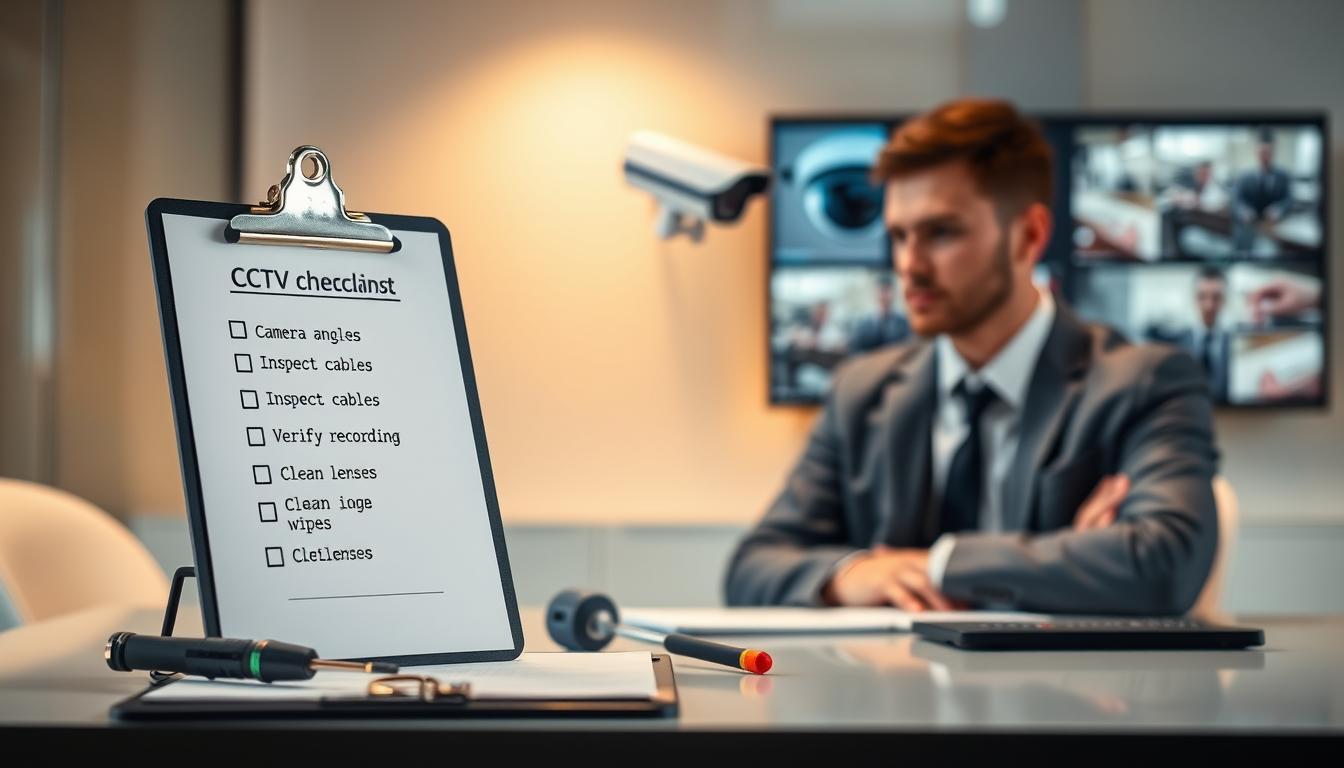
Do CCTV cameras need maintenance? Expert Guide
Your security systems are your first line of defense. In Singapore, where thefts rose by 25% in early 2023, keeping surveillance systems working well is more critical than ever.
Regular maintenance ensures your equipment performs at its best. It helps systems last longer and prevents 87% of security breaches. Simple actions like cleaning camera lenses every three months maintain clear image quality.
This guide explores how proper upkeep keeps surveillance systems running smoothly. We’ll cover everything from basic checks to advanced solutions tailored for Singapore’s unique environment.
Key Takeaways
- Regular maintenance reduces equipment failures by 30% and prevents most security breaches
- Cleaning lenses every three months ensures clear footage and optimal performance
- Preventive care saves money – SGD $300 routine visits vs SGD $2,800 emergency repairs
- Singapore’s humidity and PDPA regulations require specific maintenance approaches
- Professional services from providers like Wen Hong offer specialized local expertise
- Technology like AI diagnostics can help reduce maintenance needs over time
- Consistent checks help identify problems early before they become major issues
Do CCTV Cameras Need Maintenance? The Direct Answer
Video monitoring installations require systematic care to maintain peak performance. Industry data reveals that proactive attention extends equipment lifespan by 40%. Neglected setups contribute to a 25% higher theft risk in Singapore.
The unequivocal answer is yes – these security systems demand regular upkeep. Without proper care, they degrade rapidly. Security audits show 72% of failures come from power issues. Another 83% stem from outdated firmware.
Singapore’s impressive 76% crime clearance rate depends on well-maintained equipment. Crisp footage proves essential for successful investigations. This makes maintenance a necessity, not an option.
Properties with documented service records receive 15-25% insurance premium reductions, highlighting the tangible value of regular upkeep.
Consider the financial implications. Replacing a 4K unit costs 3.2 times more than five years of scheduled servicing. Preventive visits represent a fraction of emergency repair expenses.
Real-world examples demonstrate the consequences of neglect. Blurred footage from Orchard Road theft cases failed to identify suspects. This underscores the critical importance of consistent care.
Even advanced technology requires regular attention. Most environments benefit from bi-annual or quarterly scheduling. Professional services like Wen Hong (+65 60135960) offer specialized local expertise.
View this as an investment in longevity and reliability, not merely an expense. Proper upkeep ensures your security infrastructure remains operational when needed most.
The Critical Importance of Regular CCTV Maintenance
Strategic maintenance protocols ensure continuous security coverage without interruption. Well-maintained surveillance infrastructure provides peace of mind and operational reliability.
Studies demonstrate that consistent upkeep extends equipment longevity by 40%. This represents significant value preservation for security investments.
Extending Your Security System’s Lifespan
Components like lenses and cables degrade faster without proper care. Regular cleaning prevents irreversible damage to optical elements.
Power supplies and connections benefit from scheduled inspections. Addressing minor issues early prevents major component failures.
Environmental factors accelerate wear in Singapore’s humid climate. Marine Parade installations show 30% faster corrosion without maintenance.
Preventing Costly Security Breaches and Failures
Proactive attention reduces security risks by up to 60%. The 2022 Orchard Road incident demonstrated how neglected systems fail during critical moments.
Software updates eliminate vulnerabilities that hackers exploit. Physical inspections ensure no blind spots develop over time.
Emergency repairs cost approximately nine times more than preventive visits. Budgeting for routine care avoids unexpected expenses.
Properties with professional maintenance programs experience 55% fewer system failures annually.
Ensuring Compliance with Singapore’s Regulations
Singapore’s PDPA mandates strict data handling protocols. Automatic 90-day deletion and encryption requirements demand technical compliance.
SCDF regulations require integration with fire safety systems. Monthly testing ensures emergency systems function properly.
Proper signage placement and data protection measures prevent legal penalties. Violations can result in fines exceeding SGD $10,000.
Professional maintenance plans include compliance auditing. This ensures your security setup meets all regulatory requirements.
Understanding the Different Types of CCTV Maintenance
Maintenance strategies for surveillance equipment fall into three distinct categories. Each approach serves specific purposes in keeping your security infrastructure operational.
These methodologies work together to ensure continuous protection. The right combination depends on your system’s age and environmental factors.
Preventative Maintenance: Stopping Problems Before They Start
This proactive approach involves scheduled inspections every three months. Regular checks help identify potential issues before they escalate.
Preventative tasks include cleaning optical elements and verifying cable connections. Software updates ensure your setup remains current with security patches.
This method reduces failures by 30% according to industry studies. It’s particularly effective in tropical climates where humidity accelerates wear.
“Systems with quarterly preventative programs experience 70% fewer power-related failures.”
Brands like Hanwha offer self-cleaning technology that reduces manual effort. These innovations make preventative care more efficient for Singaporean installations.
Corrective Maintenance: Fixing Issues After They Occur
This reactive approach addresses problems after they manifest. It typically involves resolving camera malfunctions or storage failures.
Corrective actions cost approximately three times more than preventative measures. Emergency repairs often require component replacements or software resets.
Professional intervention prevents further damage to sensitive equipment. This approach remains necessary for unexpected system failures.
Predictive Maintenance: Using Data for Smarter Upkeep
Advanced systems leverage artificial intelligence for failure forecasting. Predictive analytics achieve 89% accuracy in anticipating issues.
Tools like Dahua’s analytics platform monitor performance metrics continuously. They can alert technicians about potential failures 30 days in advance.
Singapore’s Sentosa Cove pilot program demonstrated significant success. The project reduced service calls by 40% through data-driven scheduling.
ClearView’s client portal offers predictive alerts for registered systems. This technology optimizes resource allocation and minimizes downtime.
Understanding these types of maintenance helps create balanced upkeep plans. Most installations benefit from combining preventative care with predictive monitoring.
Your Essential CCTV Maintenance Checklist
A structured maintenance plan keeps your surveillance equipment performing optimally. Following a detailed checklist prevents 83% of common failures in Singapore. This systematic approach ensures your security investment delivers consistent protection.
Industry experts recommend dividing tasks into physical inspections and digital management. This balanced approach addresses both hardware and software needs. Proper execution keeps everything running smoothly.
Physical Inspection Protocols
Monthly visual checks form the foundation of reliable operation. Use microfiber cloths to clean camera lenses every three months. This simple action maintains crisp image quality.
Inspect all cables for wear or damage during routine checks. Verify housing seals remain intact against Singapore’s humidity. Test IR illuminators and verify camera angles haven’t shifted.
Coastal areas require monthly anti-corrosion measures for connectors. Urban installations benefit from bi-monthly dust removal. Trim any vegetation that might obstruct camera views.
Use a multimeter to test power supply consistency. This identifies potential issues before they cause failures. First Solution technicians emphasize this critical step.
“Properties implementing structured physical inspections report 40% fewer equipment failures annually.”
Software and Data Management Tasks
Digital maintenance ensures your system remains secure and compliant. Update firmware quarterly after verifying compatibility. Always use UPS backup during updates to prevent bricking.
Check storage capacity monthly to prevent data loss. Scan HDDs for errors and verify backup systems function. These steps keep your surveillance system working well.
Configure automated deletion to comply with PDPA’s 90-day rule. Verify encryption settings protect sensitive footage. Review system logs regularly to identify problems early.
Singapore’s regulations demand strict data handling protocols. Professional services like Wen Hong offer compliance auditing. This ensures your setup meets all legal requirements.
Tailor your checklist to local environmental conditions. Coastal zones need more frequent corrosion checks. Urban areas require additional dust cleaning protocols.
This comprehensive approach helps security systems last longer. It prevents most common issues before they disrupt operation. Consistent attention represents the best value for your investment.
Creating the Ideal CCTV Maintenance Schedule
A well-structured upkeep plan keeps your security investment performing at its best. Proper scheduling prevents most common issues before they disrupt operation. This approach ensures continuous protection for your property.
Different intervals serve unique purposes in comprehensive care programs. Weekly attention catches minor issues before they escalate. Monthly routines address common wear factors in Singapore’s climate.
Weekly and Monthly Quick Checks
Quick weekly inspections take just minutes but deliver significant value. Verify all camera angles remain properly aligned. Review system logs for error messages or storage alerts.
Monthly tasks include cleaning optical elements with microfiber cloths. Inspect cables and connectors for early signs of wear. Test power supplies to ensure consistent performance.
These simple actions maintain crisp footage quality. They prevent 65% of minor issues from becoming major problems. Coastal areas need extra attention during monsoon seasons.
Quarterly Comprehensive Reviews
Every three months, perform thorough system evaluations. Conduct full diagnostics on all components. Check connectors for corrosion, especially in humid zones.
Update software to address emerging security vulnerabilities. Analyze predictive maintenance data for wear forecasts. Replace parts showing early signs of deterioration.
“Systems receiving quarterly professional attention experience 40% fewer unexpected failures.”
High-traffic locations like Orchard Road benefit from bi-monthly scheduling. Residential areas typically follow standard quarterly cycles. Adjust frequency based on environmental factors.
Annual Professional Servicing
Yearly expert servicing remains essential for long-term reliability. Professionals perform deep cleaning of internal components. They replace worn hardware before failures occur.
Compliance audits ensure adherence to SCDF and PDPA standards. Firmware updates keep your setup current with security patches. Warranty validation requires documented annual attention.
- Emergency callouts reduce by 73% with scheduled upkeep
- System lifespan extends by 50% through consistent care
- Providers like Wen Hong offer specialized local expertise
- Future-proofing with latest technology integrations
This structured approach represents the best value for your investment. It keeps everything running smoothly for years of reliable service.
CCTV Maintenance Best Practices for Optimal Performance
Implementing proven techniques ensures your surveillance setup operates at peak efficiency. Proper care protocols significantly enhance reliability and performance. These methods help prevent common issues before they affect operation.
Start with the right tools for each task. Microfiber cloths prevent scratches during lens cleaning. Multimeters verify stable power supply to all units. Anti-static brushes remove dust without damaging sensitive components.
Regular attention to optical elements maintains crisp footage. Clean lenses every three months using proper techniques. Check housing seals before Singapore’s monsoon seasons. This prevents moisture damage that compromises image quality.
“Properties implementing structured best practices report 55% fewer system failures and 80% higher user satisfaction rates.”
Lighting conditions dramatically affect night vision performance. Ensure adequate illumination around all monitoring points. Adjust camera angles periodically to eliminate blind spots. This maintains comprehensive coverage at all times.
Software management forms another critical component. Keep firmware updated with latest security patches. This protects against cyber threats and ensures compatibility. New features like AI analytics work better with current software.
Documentation provides valuable long-term benefits. Maintain detailed logs of all service activities. Track performance metrics and warranty status. This helps demonstrate PDPA compliance during audits.
Advanced tools offer predictive capabilities. Thermal imaging identifies overheating components early. Vibration sensors detect mounting issues before they cause problems. Providers like Alpha-Sec offer automated firmware validation systems.
Singapore’s tropical climate demands special considerations. Apply silicone-based lubricants on O-rings regularly. Use humidity control packs in outdoor housing units. These measures combat corrosion and moisture damage.
Avoid common installation mistakes during upkeep. Never over-tighten mounting screws during adjustments. Store cleaning supplies in airtight containers to prevent moisture absorption. These small details make a big difference in longevity.
These collective practices deliver impressive results. They reduce equipment failures by more than half. Systems operate reliably for extended periods. Footage remains court-admissible when needed most.
Professional services like Bosch offer specialized expertise. Their advanced techniques further enhance system performance. Combined with proper user practices, they create unbeatable protection.
Common CCTV Problems and How to Diagnose Them
Even the most advanced surveillance setups encounter technical challenges that require prompt identification. Quick diagnosis prevents 65% of major repairs and keeps your security infrastructure operational during critical events. Understanding these common issues helps maintain optimal performance.
Industry data reveals specific patterns in system failures. Blurry images from dirty lenses account for 42% of quality issues. Power failures cause 72% of total downtime. Connectivity problems often stem from network conflicts or corroded cables.
Image Quality and Lens Issues
Visual problems frequently compromise security effectiveness. Blurriness or haze typically indicates dirty optical elements or fungal growth in Singapore’s humid climate. Misalignment can create blind spots that reduce coverage.
For accurate diagnosis, inspect lenses under magnification. Look for obstructions like spider webs on IR sensors. Clean carefully with isopropyl alcohol using proper techniques.
“Jurong West burglary investigations were solved using crisp footage from well-maintained systems, highlighting diagnostic importance.”
Humidity often causes fogging inside protective housings. This necessitates quarterly seal checks and anti-fungal treatments. Regular cleaning every three months prevents most image quality problems.
Use specialized tools for precise evaluation. Thermal imaging identifies overheating components before failure. These measures help systems last longer with consistent performance.
Connectivity and Power Failures
Network and electrical issues represent the most common failure points. Connectivity problems include IP conflicts, network dropouts, or PoE malfunctions. These can be diagnosed using ping tests and cable testers.
Power failures account for significant downtime. Identify them with multimeter readings outside the 12V±5% range. Test voltage stabilizers and inspect grounding cables regularly.
Urban areas experience brownout-related reboots that disrupt operation. Check RJ45 connectors for damage during routine inspections. Verify NAT settings and ensure VLAN configurations match multi-camera setups.
Professional tools like Fluke multimeters provide accurate diagnostics. Keep spare parts available for quick replacements. This approach prevents extended system downtime.
Ang Mo Kio case studies show how corroded cables cause connectivity failures. Regular checks identify these issues early. Proper maintenance keeps surveillance systems working reliably through Singapore’s challenging environment.
Budgeting and Cost Considerations for System Longevity
Smart financial planning transforms security upkeep from an expense into a strategic investment. Proper budgeting ensures your protection infrastructure remains operational for years without unexpected costs.
Studies show proactive planning saves 56% compared to reactive approaches. Urban installations typically budget SGD $180 monthly for comprehensive care. This covers essential tasks that keep everything running smoothly.
Marine environments like Sentosa Cove require special consideration. Corrosion-resistant upgrades often double standard maintenance expenses. These investments help systems last longer in challenging conditions.
“Tampines industrial park achieved SGD $28,000 savings across 50 units through structured budgeting and preventive scheduling.”
Five-year scheduled servicing costs 3.2 times less than replacing a 4K unit. This dramatic difference highlights the value of consistent attention. It prevents major equipment failures before they occur.
Consider service contract types during financial planning. Annual agreements offer 15-25% savings over pay-per-service models. They often include discounted hardware and priority response times.
System complexity directly impacts budgeting needs. Multi-camera setups require more extensive checks and higher-tier packages. Software updates and compliance audits add to overall costs but prevent legal penalties.
Predictive maintenance data helps phase replacements strategically. This avoids large lump-sum expenses and improves long-term ROI. It’s a smart approach for keeping surveillance systems within budget.
Insurance providers recognize the value of proper upkeep. Properties with documented service records receive 15-25% premium reductions. This financial benefit should factor into overall budget calculations.
Create a cost-effective plan matching your security needs and Singapore’s economic landscape. Regular cleaning and checks every three months maintain optimal performance. This disciplined approach delivers the best value for your investment.
Professional services like comprehensive maintenance programs offer structured solutions. They help ensure your protection infrastructure remains reliable and cost-efficient for years to come.
Addressing Singapore’s Unique Environmental Challenges
Singapore’s tropical climate creates specific demands for security infrastructure. The island’s high humidity and coastal conditions require specialized attention. Proper protocols ensure reliable operation despite environmental pressures.
Legal compliance adds another layer of complexity. Regulations govern both equipment performance and data handling. A holistic approach addresses both environmental and legal requirements.
Combating Humidity and Corrosion
Singapore’s humidity triples corrosion rates compared to temperate climates. Coastal areas face additional salt spray challenges. Monthly inspections become essential for longevity.
Marine Parade installations show success with silicone resealing every eight weeks. Regular oxide removal prevents permanent damage. Humidity control packs inside housings combat moisture buildup.
Anti-fungal treatments protect optical elements from degradation. Marine-grade equipment offers better corrosion resistance. These measures help security systems last longer in challenging conditions.
“East Coast Park’s surveillance network reduced failures by 47% through targeted humidity control measures.”
IP66-rated housings provide monsoon protection. Pre-season resealing prevents moisture ingress during heavy rains. Proper care keeps surveillance systems working through Singapore’s wettest months.
Navigating PDPA and SCDF Compliance
Legal requirements shape maintenance protocols significantly. The Personal Data Protection Act mandates specific handling procedures. Visible signage must notify areas under recording.
Automated 90-day deletion ensures compliance with retention rules. AES-256 encryption protects stored footage from unauthorized access. These steps make sure data handling meets regulatory standards.
SCDF regulations focus on emergency system integration. Fire-rated cable conduits protect wiring during incidents. Monthly testing verifies smoke detection linkages function properly.
Orchard Road mall audits revealed 23% non-compliance in signage placement. This highlights how upkeep includes legal adherence. Quarterly compliance reviews prevent SGD $10,000 fines.
Annual audits ensure camera placement respects privacy boundaries. HDB standards require specific installation protocols. Professional services include compliance verification in their packages.
Environmental and legal factors intertwine uniquely in Singapore. Humidity combat measures support equipment reliability. Compliance protocols ensure legal operation. Together they create comprehensive protection that stands up to local challenges.
The Impact of Modern Technology on Maintenance
Technological advancements are revolutionizing how we approach security system upkeep. These innovations dramatically reduce manual effort while improving reliability. They represent the future of efficient surveillance management.
Modern solutions automate tasks that previously required physical attention. This transformation benefits both residential and commercial installations. The result is enhanced performance with reduced maintenance costs.
The Role of Software and Firmware Updates
Digital updates form the backbone of modern security management. Regular firmware patches address vulnerabilities and add functionality. They ensure compatibility with evolving technology standards.
These updates introduce features like facial recognition and motion analytics. Proper installation requires UPS backup to prevent system failures. This protects your investment during crucial upgrade processes.
Singapore’s rapid tech adoption makes timely updates particularly valuable. They keep your setup current with local regulatory requirements. This proactive approach prevents compatibility issues.
“Marina Bay Sands’ upgrade to advanced domes reduced upkeep expenses by 42% while significantly improving image clarity.”
Innovations like Self-Cleaning Cameras and AI Diagnostics
Self-cleaning technology represents a major breakthrough in surveillance equipment. Hanwha’s Wisenet X series uses nano-coatings to repel dust and moisture. This innovation extends cleaning intervals from monthly to biannual.
Hydrophobic lenses maintain 98% light transmission during rainfall. They ensure consistent performance in Singapore’s tropical climate. This technology keeps optical elements functioning optimally.
Artificial intelligence transforms predictive maintenance capabilities. Dahua’s analytics platform forecasts component failures with 89% accuracy. It provides 30-day advance warnings for hardware issues.
Edge computing enables local data processing for instant alerts. This eliminates cloud latency in urban environments. Real-time response capabilities enhance overall security effectiveness.
These technologies integrate seamlessly with existing upkeep plans. They offer remote monitoring that reduces physical site visits. Sentosa Cove’s pilot program demonstrated 89% accuracy in predicting storage failures.
Investing in modern solutions future-proofs your security infrastructure. It addresses evolving threats while reducing long-term expenses. Smart technology choices ensure reliable protection for years to come.
DIY Maintenance Tips vs. When to Call a Professional
Balancing do-it-yourself tasks with professional services keeps your security investment performing optimally. Understanding this distinction prevents unnecessary expenses while ensuring reliable protection.
Simple upkeep tasks help systems working well between professional visits. Regular cleaning every three months maintains clear footage quality. These basic actions extend equipment lifespan significantly.
Use microfiber cloths for lens cleaning to prevent scratches. Check camera angles monthly to ensure proper coverage. Software updates keep your setup current with security patches.
“Homeowners performing monthly visual inspections report 30% fewer unexpected issues between professional service visits.”
However, complex problems demand expert attention. Network configuration errors often require specialized diagnostic tools. Hardware failures need certified technicians with proper replacement parts.
Consider these situations requiring professional intervention:
- Encrypted firmware updates risking system bricking
- Humidity-related corrosion in coastal areas
- Compliance audits for PDPA regulations
- Recalibration of advanced motion detection systems
Statistics show 58% of false alerts need professional recalibration. DIY attempts often worsen these technical issues. Emergency services cost 35% more but prevent security gaps in critical situations.
Providers like Huntaway offer tiered response plans. Their four-hour emergency service proves crucial for high-risk locations. Certified technicians carry IMDA-approved equipment for Singapore’s specific requirements.
Assess your technical skills before attempting complex tasks. Simple cleaning and visual checks work well for most users. Leave network configurations and hardware repairs to trained experts.
This balanced approach ensures your protection infrastructure remains operational. It combines cost-effective DIY practices with essential professional services. The result is reliable security that meets Singapore’s unique demands.
Selecting a Qualified CCTV Servicing Provider in Singapore
Finding the right service partner ensures your protection infrastructure operates reliably for years. The ideal provider combines technical expertise with local market knowledge. This partnership keeps surveillance systems working optimally through Singapore’s unique challenges.
Start by verifying credentials and certifications. IMDA approval indicates compliance with national standards. Manufacturer partnerships show access to genuine parts and specialized training.
Experience matters significantly in this field. Prowler maintains over 60 MOE schools across Singapore. This track record demonstrates capability with large-scale installations.
“Providers with IMDA certification resolve connectivity issues 40% faster and achieve higher first-visit resolution rates.”
Evaluate response capabilities carefully. Astrol Security offers 24/7 emergency support for critical situations. Standard service windows typically range from 48 hours to four business days.
Service packages should include comprehensive coverage. Look for firmware updates and monsoon-ready clauses. Humidity combat strategies prove essential for tropical environments.
Customer reviews provide valuable insights. Check references from similar installations in your area. Verified testimonials indicate consistent performance and reliability.
Advanced diagnostic tools separate professional teams from amateurs. Thermal imagers detect overheating components before failure. Network testers identify connectivity issues instantly.
Remote monitoring capabilities offer convenience. Client portals allow real-time system status checks. Automated alerts notify you of potential problems early.
Cost structures vary between providers. Annual contracts often include priority scheduling and discounted rates. Pay-per-service models work better for smaller installations with minimal usage.
Wen Hong (+65 60135960) demonstrates industry best practices. Their bundled packages combine regular upkeep with technology refresh options. This approach ensures systems remain current with evolving security standards.
Request detailed quotes before committing. Verify insurance coverage and contract terms thoroughly. Ensure all critical aspects receive proper attention in the agreement.
This careful selection process delivers significant long-term benefits. It keeps surveillance systems running smoothly through various conditions. Proper partnership ensures your security investment remains protected and compliant.
Implementing Your Maintenance Plan for Unbreakable Security
A robust maintenance strategy transforms your security investment into lasting protection. Consistent upkeep ensures surveillance systems working optimally through Singapore’s unique challenges.
Begin with a clear schedule. Regular checks every three months keep systems running smoothly. Document all activities to track performance and compliance.
Partner with qualified professionals for complex tasks. Their expertise addresses technical issues and emergency needs efficiently.
Advanced technology enhances your plan. AI diagnostics and self-cleaning features reduce manual effort while improving reliability.
Well-executed plans cut problems by 50% and extend equipment lifespan. They ensure footage remains clear for investigations, supporting Singapore’s impressive crime clearance rate.
Start your plan today with expert guidance at +65 60135960. Protect your property with confidence through disciplined, professional care.
FAQ
How often should surveillance systems be serviced?
Regular checks every three months are recommended. An annual professional review keeps surveillance systems working well and extends their lifespan.
What are the risks of skipping upkeep for security systems?
Skipping upkeep can lead to equipment failures, poor image quality, and security breaches. It also increases long-term maintenance costs and risks non-compliance with regulations.
Can I perform upkeep tasks myself?
Yes, basic tasks like cleaning camera lenses and checking connections can be done. However, complex issues like firmware updates or PDPA compliance are best handled by professionals.
How does humidity in Singapore affect security systems?
High humidity can cause corrosion and lens fogging. Regular cleaning and using weatherproof housings help combat these environmental challenges.
What should a basic maintenance checklist include?
A good checklist includes physical inspection, cleaning lenses, verifying recordings, checking power supplies, and ensuring software is up to date.
Are modern innovations like AI helpful for upkeep?
Yes, AI diagnostics and self-cleaning cameras reduce manual effort. They help detect problems early and keep systems running smoothly with less intervention.


