
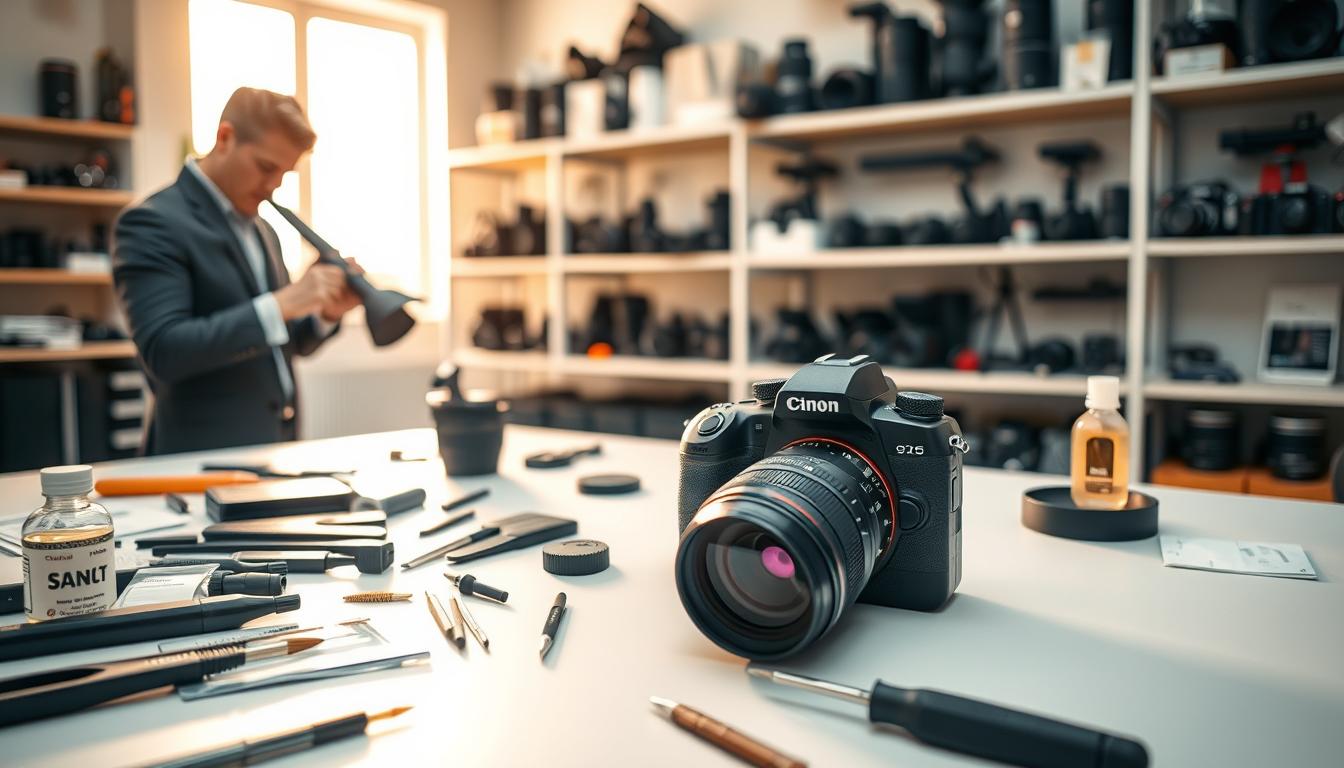
How do you service a camera? Tips and Techniques
Regular camera maintenance is crucial for photographers at every level. Whether you’re a hobbyist or professional, proper care ensures your equipment performs at its best. This routine protects your investment and maintains image quality.
Singapore’s humid climate presents unique challenges for photography equipment. Moisture and heat can affect camera performance over time. Proactive maintenance prevents these environmental factors from causing damage.
This comprehensive guide covers everything from basic cleaning to professional servicing options. You’ll learn practical techniques to extend your gear’s lifespan. Following these practices helps avoid costly repairs down the road.
Understanding proper camera care gives photographers confidence in their equipment. Well-maintained gear consistently captures amazing photos. Let’s explore the best methods to keep your photography equipment in top condition.
Key Takeaways
- Regular maintenance extends camera lifespan and ensures optimal performance
- Proper care prevents expensive repairs and maintains image quality
- Singapore’s climate requires special attention to humidity protection
- Both DIY techniques and professional servicing options are available
- Maintenance frequency depends on usage and environmental conditions
- Proactive care protects your photography equipment investment
- Well-maintained cameras help photographers capture better images consistently
Why Regular Camera Maintenance is Non-Negotiable
Professional-grade results depend heavily on disciplined maintenance of imaging tools. This commitment separates casual users from serious photography enthusiasts. Proper upkeep ensures your gear performs consistently when it matters most.
Preserving Image Quality and Equipment Longevity
Clean optical elements directly impact final image quality. Dust, smudges, or misalignments degrade sharpness and contrast. Regular cleaning maintains optical perfection.
Equipment longevity depends on proactive care. Well-maintained cameras last years longer than neglected ones. This protects your financial investment in photography gear.
Simple routines prevent long-term damage. Lens cleaning and body inspection catch issues early. These quick checks preserve both function and value.
Preventing Costly Repairs and Major Malfunctions
Sudden equipment failures ruin special moments. Wedding shoots or travel photography demand reliability. Maintenance prevents these disappointing scenarios.
Regular inspections spot small problems early. Loose parts or dust accumulation signal needed attention. Addressing these early avoids major repairs later.
The financial benefits are significant. Routine maintenance costs far less than major repairs. This smart approach saves money over time.
Dust removal remains critical for sensor health. Debris causes spots that require expensive cleaning. Preventive care keeps sensors clean naturally.
Many photographers overlook basic care routines. They assume working equipment needs no attention. This misconception leads to preventable problems.
Your camera serves as a creative partner. Reliability enables artistic expression without technical worries. Consistent maintenance ensures this creative freedom.
Recognizing the Signs Your Camera Needs Attention
Learning to interpret your equipment’s distress signals ensures uninterrupted creative workflow and consistent results. Professional photographers develop this skill through experience with various shooting conditions.
Regular observation helps identify issues before they affect important shoots. This proactive approach maintains equipment reliability when it matters most.
Adhering to a Recommended Annual Service Schedule
Most imaging equipment benefits from professional attention once yearly. This routine maintenance preserves optimal performance and prevents gradual damage.
Serious photographers using equipment daily may need more frequent servicing. Heavy usage accelerates wear on mechanical components.
Travel and harsh environments demand additional care. Sand, saltwater, and extreme temperatures affect equipment differently. These conditions often require professional assessment.
Frequent lens changes introduce dust into the system. This accumulation eventually affects image quality without proper cleaning.
Identifying Symptoms That Demand Immediate Service
Flashing error messages indicate internal system problems. These warnings should never be ignored during operation.
Visible image issues signal immediate needs. Blurriness, dark patches, or consistent spots appear in photos. These artifacts often indicate sensor or lens problems.
Slow shutter response suggests mechanical wear. The mechanism may need lubrication or adjustment by experts.
Unusual noises during operation reveal internal issues. Grinding, clicking, or whirring sounds require professional diagnosis.
Physical damage observed during inspection needs assessment. Dents, cracks, or moisture exposure compromise equipment integrity.
Singapore’s humidity accelerates service requirements. Moisture affects electronic components over time. Regular care prevents climate-related deterioration.
Proper scheduling maintains equipment reliability. This way of working ensures consistent creative results. Professional services extend your gear’s productive lifespan.
How Do You Service a Camera? Understanding the Professional Process
Professional camera maintenance involves systematic procedures performed by certified technicians. This comprehensive approach ensures your equipment receives proper care using specialized tools and techniques. Understanding this process helps photographers select appropriate service options.
General Maintenance and Cleaning Procedures
Technicians begin with complete equipment assessment. They test all buttons, dials, and functions for proper operation. This initial check identifies any immediate concerns.
Internal cleaning addresses sensitive components carefully. The image sensor receives specialized attention using approved methods. Mirror mechanisms get thorough cleaning without causing damage.
Focusing system assessment ensures accurate performance. Technicians calibrate autofocus systems using precision equipment. This maintains sharp image quality across all lenses.
Choosing Between Service Package Options
Service centers typically offer tiered maintenance packages. Basic packages include essential cleaning and function checks. These suit regularly used equipment needing routine care.
Comprehensive packages provide extensive attention to detail. They include firmware updates and advanced performance assessments. Pixel mapping ensures sensor functionality remains optimal.
- Hardware inspection covers lens mounts and hotshoe connections
- Communication checks verify camera-lens performance compatibility
- Shutter count assessment determines mechanism wear levels
- Memory card and battery insertion tests confirm proper operation
- Error message diagnostics identify underlying system issues
Selecting the right package depends on equipment usage patterns. Heavy-use gear benefits from comprehensive attention. Lightly used equipment may only need basic maintenance.
Singapore’s climate considerations might influence package selection. Humidity protection services become valuable in tropical conditions. Technicians can recommend appropriate climate-specific options.
Essential DIY Camera Maintenance You Can Perform at Home
Taking charge of your equipment’s upkeep builds confidence and saves money. These simple practices keep your gear performing at its peak. Home maintenance reduces the need for professional intervention.
Establishing a regular schedule prevents problems before they start. Consistent care maintains optical clarity and mechanical precision. These habits protect your investment in photography equipment.
Protecting Your Lens with a UV Filter
UV filters serve as the first line of defense for your optics. They shield the front element from scratches, dust, and accidental impacts. This protection preserves the lens’s value and optical quality.
Beyond physical protection, these filters block ultraviolet light. This improves image quality in high-altitude or coastal photography. Colors appear more natural with reduced atmospheric haze.
Singapore’s environment makes filter protection particularly valuable. Dust and humidity can quickly accumulate on exposed glass. A quality filter maintains performance while protecting expensive optics.
Cleaning Camera Sensors to Eliminate Dust Spots
Sensor cleaning remains essential for maintaining image quality. Dust particles create visible spots in photographs, especially at small apertures. Regular attention keeps images clean and professional.
Perform this maintenance every six months to prevent buildup. Use specialized tools designed for sensor cleaning. These include blowers, brushes, and wet-cleaning systems for stubborn particles.
Always ensure the camera’s cleaning mode is activated. This locks the mirror up and exposes the sensor safely. Proper technique prevents damage to this delicate component.
Calibrating Lenses for Pin-Sharp Focus
Lens calibration ensures your equipment focuses accurately every time. Even premium lenses can develop slight focus shifts over time. Regular adjustment maintains critical sharpness.
Perform this calibration multiple times yearly for consistent results. Use a dedicated calibration target or software for precision. This process fine-tunes the communication between body and optics.
Accurate focusing makes the difference between good and great images. Sharp photographs showcase your technical skill and artistic vision. Well-calibrated equipment performs reliably in any situation.
These home maintenance practices extend equipment lifespan significantly. They reduce wear and prevent common issues before they develop. Your photography benefits from consistently well-maintained gear.
Building Your Camera Repair and Cleaning Toolkit
The right tools make all the difference between successful DIY maintenance and accidental damage. Proper equipment selection ensures safe handling of delicate components. This approach protects your investment while maintaining optimal performance.
Singapore’s environment demands specific attention to tool quality. Humidity and dust require specialized cleaning solutions. Building a comprehensive kit addresses these unique challenges effectively.
Basic Tools for Everyday Maintenance and Light Repairs
Micro screwdrivers enable precise adjustments to small components. These tools handle battery compartment screws and mount adjustments safely. Proper sizing prevents stripping delicate fasteners.
Puffers remove dust from sensitive areas without contact. These air blowers clean lens mounts and viewfinders effectively. They prevent scratches during routine cleaning sessions.
Microfiber cloths provide gentle optical surface care. These specialized fabrics lift dirt without scratching glass elements. Always use clean, dedicated cloths for lens cleaning.
Lens cleaning solutions dissolve stubborn smudges safely. Quality formulas avoid damaging anti-reflective coatings. Apply sparingly to microfiber cloths rather than directly on glass.
Proper maintenance begins with these essential items. They handle most routine cleaning needs effectively. This basic kit keeps your gear in top condition between professional services.
Intermediate and Advanced Tools for Complex Adjustments
Small pliers handle tiny components during repairs. These tools extract dust from tight spaces carefully. They require steady hands and proper technique.
Point lubricants ensure smooth mechanical operation. Specialized formulas protect shutter mechanisms and dials. Apply minimally to avoid attracting more dust.
Lens spanners enable precise optical adjustments. These tools calibrate focus mechanisms accurately. They demand technical knowledge for safe operation.
Soldering irons address electrical connection issues. Temperature-controlled models prevent circuit board damage. These advanced tools require electronics experience.
Building a comprehensive DIY repair kit involves both skill levels. Start with basic items and progress as confidence grows. Quality tools last years and protect your photography equipment investment.
Singapore photographers can find these items at specialty electronics stores. Online retailers also offer complete maintenance kits. Proper storage in a dedicated bag prevents tool damage over time.
Using the right tool for each task prevents small problems from becoming major issues. This approach saves money and extends gear lifespan significantly. Learn more about proper camera maintenance techniques to maximize your toolkit’s effectiveness.
Troubleshooting Common Camera Issues
Even well-maintained equipment occasionally develops problems that need attention. Understanding these common issues helps photographers maintain optimal performance. Quick diagnosis prevents small problems from becoming major repairs.
Diagnosing and Addressing Slow or Sticky Shutter Speeds
Shutter mechanisms sometimes develop sluggish response times. This problem appears more frequently in older models with heavy use. The issue manifests as delayed firing or inconsistent exposure times.
Diagnosis begins with checking the shutter mechanism. Listen for unusual grinding or hesitation sounds during operation. Test at various speed settings to identify patterns.
Excess lubricant often causes slowing issues. Over time, lubricants can migrate and accumulate where they shouldn’t. This creates drag on the delicate moving parts.
Environmental factors contribute significantly to shutter problems. Singapore’s humidity affects mechanical components over time. Temperature extremes also impact lubricant viscosity and performance.
Regular maintenance prevents most shutter issues. Professional cleaning removes old lubricant and applies fresh amounts properly. This service restores smooth operation and prevents damage.
Effective Strategies for Handling Internal Dust and Debris
Dust accumulation remains a persistent challenge for photographers. Tiny particles find their way into the most protected spaces. This contamination affects image quality and equipment performance.
Internal dust appears as dark spots in photographs. These artifacts become visible at smaller apertures like f/16 or f/22. They remain in consistent positions across multiple images.
Proper cleaning begins with gentle air blowers. These tools remove loose particles without contacting sensitive surfaces. Always hold the camera opening downward during blowing.
Regular sensor cleaning prevents dust buildup from becoming problematic. Establish a schedule based on how frequently you change lenses. Heavy users might need monthly attention.
Protective filters minimize dust entry into the system. They create a barrier against environmental contaminants. Quality filters maintain optical performance while providing protection.
Differentiating sensor dust from other issues requires simple testing. Shoot a plain surface at small aperture while slightly defocusing. Dust spots will appear as distinct dark shapes.
Some situations demand professional attention. Stubborn particles or delicate sensors might need expert care. Know when DIY methods risk causing more damage than good.
Consistent care keeps your equipment performing reliably. These troubleshooting techniques maintain image quality shot after shot. Your photography benefits from equipment that works when you need it most.
Best Practices for Cleaning Your Camera Gear
Proper cleaning techniques preserve your equipment’s performance and appearance. These methods prevent common issues that affect image quality. Following correct procedures ensures your gear remains in excellent condition.
Safely Cleaning Lenses and Camera Body Exteriors
Begin lens cleaning with a blower to remove loose particles. This prevents scratching the glass during subsequent steps. Always work from the center outward in circular motions.
Microfiber cloths provide safe smudge removal without chemicals. These specialized fabrics lift dirt gently from optical surfaces. They maintain lens coatings while eliminating fingerprints.
For stubborn stains, consider specialized lens wipes. Products like Zeiss wipes dissolve tough residues effectively. They clean without leaving streaks or residue behind.
Camera body exteriors require different attention. Use soft brushes to dislodge dust from crevices. Gentle wiping with a dry cloth maintains the finish.
Avoid harsh chemicals that can damage surfaces. These substances may degrade rubber grips or finish coatings. Stick to manufacturer-recommended cleaning solutions.
Regular cleaning prevents long-term damage from accumulation. This care maintains both function and resale value. Establish a monthly routine for best results.
Proper Techniques for Cleaning a Camera Sensor
Sensor cleaning demands specialized tools and careful technique. Use dedicated kits with appropriate swabs for this delicate task. These materials prevent scratches on the sensitive surface.
Never use compressed air for sensor maintenance. This approach pushes debris deeper into the mechanism. It can cause permanent damage to internal components.
Activate your camera’s cleaning mode before starting. This locks the mirror up and exposes the sensor safely. Follow manufacturer instructions for your specific model.
Clean sensors every six months with normal usage. Heavy lens changes may require more frequent attention. This schedule prevents dust spots from appearing in images.
Proper technique prevents scratches and other damage. Gentle, confident strokes remove contamination effectively. This maintenance ensures consistently clean images.
Select cleaning materials designed specifically for sensors. These products avoid liquids that could damage electronics. They provide safe, effective contamination removal.
Protecting Your Gear from Singapore’s Climate
Singapore’s tropical environment demands special attention to photography equipment protection. The constant humidity and heat create unique challenges for camera care. Proper climate management prevents long-term damage to sensitive components.
Mitigating the Impact of Humidity and High Temperatures
High humidity levels threaten camera systems with moisture buildup. This moisture can lead to mold growth inside lenses and bodies. Electronic components suffer corrosion over time in damp conditions.
Consistently high temperatures affect battery performance significantly. Heat reduces battery life and can damage image sensors. Extended exposure to warmth accelerates wear on mechanical parts.
Silica gel packs offer effective moisture control in storage areas. These desiccants absorb excess humidity from the air. Place them in your camera bag and storage containers for protection.
Weather-sealed equipment provides essential defense against environmental factors. These sealed systems block moisture during outdoor shooting. They offer protection against sudden rain showers common in Singapore.
Regular equipment use helps prevent moisture accumulation. Frequent operation generates slight heat that evaporates humidity. This natural process maintains internal dryness between shoots.
Implementing Climate-Controlled Storage Solutions
Dry cabinets provide ideal storage conditions for photography gear. They maintain consistent humidity levels between 40-50%. This range prevents mold while avoiding excessive dryness.
Climate-controlled environments protect equipment during extended storage. These systems maintain stable temperatures and humidity levels. They prevent the thermal expansion and contraction that stresses components.
Proper camera bag selection enhances climate protection. Look for bags with waterproof exteriors and padded compartments. These features shield gear from rain and impact damage during transport.
Avoid storing equipment in direct sunlight or near heat sources. Ultraviolet light can degrade materials and affect sensor performance. Choose cool, dark storage areas for long-term preservation.
When shooting outdoors, use protective covers during rain showers. These simple barriers keep water off your equipment. They maintain operational readiness in unpredictable weather conditions.
Monitor storage conditions regularly with hygrometers. These devices measure humidity levels accurately. They help ensure your storage environment remains within safe parameters.
Implementing these protective measures extends equipment lifespan significantly. Your gear remains in optimal condition despite challenging environmental factors. Consistent care ensures reliable performance when you need it most.
Guidelines for Long-Term Camera Storage
Proper storage practices preserve your photography investment during periods of non-use. These methods prevent environmental damage and maintain equipment readiness. Following specific protocols ensures your gear remains in perfect condition.
Essential Preparation Steps Before Storing Your Equipment
Begin with a comprehensive cleaning session. Remove all dust and dirt from the body and lenses carefully. This prevents particles from settling during storage.
Battery removal remains critical for long-term preservation. Power cells can leak corrosive materials over time. This simple step prevents expensive damage to electronic components.
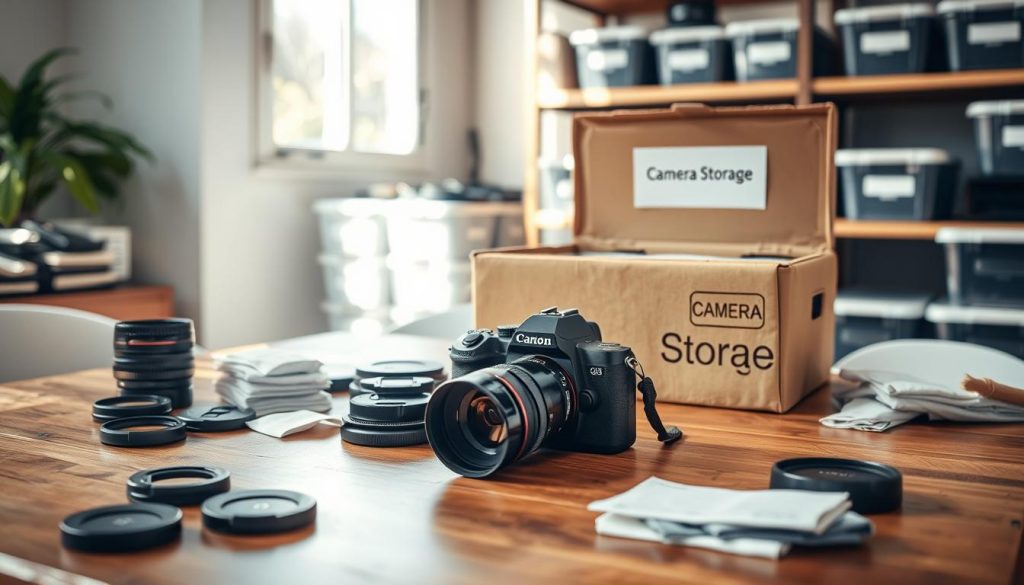
Accessories require individual protective cases. Lenses, filters, and small items need separate compartments. This organization prevents scratches and maintains organization.
Consider these essential preparation steps:
- Complete optical surface cleaning with approved solutions
- Battery compartment inspection for any residue
- Memory card removal and safe storage
- Lens cap verification on all optical elements
- Function testing before final storage
Creating the Ideal Storage Environment
The perfect storage space maintains consistent conditions. Cool, dry, and dark environments protect sensitive components. These settings prevent deterioration from environmental factors.
Avoid areas with temperature fluctuations. Rapid changes cause condensation inside equipment. This moisture leads to mold growth and electronic corrosion.
Excessive humidity demands special attention. Silica gel packs absorb ambient moisture effectively. Place these desiccants in your storage bag or container.
Proper storage is not just about putting equipment away—it’s about preserving functionality and value for future use.
Direct sunlight causes multiple problems during storage. UV light can degrade materials and affect sensor performance. Heat buildup from sunlight also damages electronic components.
Singapore’s climate requires vigilant moisture control. The tropical environment accelerates equipment deterioration without protection. Learn more about long-term storage solutions for humid conditions.
Regular checks during extended storage maintain equipment integrity. Monthly inspections catch any developing issues early. This proactive approach ensures your gear remains ready for action.
Implementing these storage guidelines protects your photography investment. Your equipment will perform perfectly when you retrieve it. Proper care during downtime maintains value and functionality.
Making the Call: Professional Servicing vs. DIY
Every photographer faces the decision between handling equipment care personally and seeking expert assistance. This choice impacts both your gear’s longevity and your photography results. Understanding when to tackle tasks yourself versus when to call professionals ensures optimal equipment performance.
When to Seek Help from a Certified Camera Technician
Complex mechanical failures demand professional attention. These issues involve intricate internal mechanisms requiring specialized tools and training. Attempting repairs without proper knowledge often causes additional damage.
Electronic malfunctions represent another critical scenario. Circuit board issues, autofocus system failures, or power distribution problems need certified technician expertise. These complex systems require diagnostic equipment beyond typical home tools.
Severe physical damage always warrants professional assessment. Impact damage, water exposure, or bent lens mounts risk further impairment if handled incorrectly. Technicians possess the skills to evaluate and address these situations properly.
Warranty considerations often dictate professional service. Many manufacturers void coverage if unauthorized individuals attempt repairs. Protecting your investment means using approved service centers during warranty periods.
Singapore’s climate creates unique servicing needs. Humidity-related issues might require specialized cleaning techniques. Local technicians understand regional environmental challenges better than general guides.
Following Best Practices for Safe DIY Maintenance
Regular lens cleaning remains a safe and effective DIY practice. Use proper microfiber cloths and approved cleaning solutions. This routine maintenance prevents dust buildup and maintains optical clarity.
Sensor checks should be part of every photographer’s routine. Learn to identify dust spots and use appropriate blowers for surface cleaning. This prevents image quality issues between professional servicing appointments.
Battery maintenance extends equipment life significantly. Clean contacts regularly and store power cells properly. These simple steps ensure reliable performance during important shoots.
Establish a consistent maintenance schedule that combines DIY and professional care. Basic cleaning and inspection happen monthly. Professional servicing occurs annually or after heavy use periods.
Choosing qualified service providers requires careful research. Look for licensed technicians with manufacturer certifications. Check customer feedback and service warranties before committing to any repair facility.
Clear communication about costs and timeframes prevents surprises. Reputable providers offer detailed estimates before beginning work. They explain necessary repairs and provide realistic completion dates.
This balanced approach to equipment care maximizes performance and longevity. Your gear remains reliable through years of creative use. Proper maintenance ensures your photography equipment always performs at its best.
Ensuring Your Camera Remains a Reliable Creative Partner
Your camera is more than just equipment—it’s your creative partner in capturing life’s moments. Consistent maintenance keeps it performing at its best. This regular care ensures long-term reliability and top image quality.
Investing time in proper upkeep saves money over time. It prevents costly repairs and extends your gear’s lifespan. Well-maintained equipment is always ready for important photography sessions.
Establishing good habits builds confidence in your gear’s performance. Your camera becomes a dependable tool that supports your creative vision. This approach transforms maintenance from a chore into an investment in your craft.
Implement these practices to keep your photography equipment in perfect condition. Your reliable partner will continue capturing beautiful images for years to come.
FAQ
How often should I get my camera serviced?
Most photographers benefit from an annual service to maintain performance. Regular maintenance helps prevent issues like dust buildup and wear on moving parts. If you use your equipment heavily or in harsh conditions, consider servicing every six months.
What are the signs that my camera needs professional attention?
Look for symptoms like autofocus inaccuracies, unusual noises from the shutter, or visible dust spots in images. These issues often indicate that internal components need cleaning or adjustment by a technician.
Can I clean my camera sensor myself?
Yes, with care. Use a dedicated sensor cleaning kit and follow manufacturer guidelines. Avoid excessive pressure. For stubborn dirt, it’s safer to consult a professional to prevent sensor damage.
How should I store my camera to keep it in good condition?
Store your gear in a cool, dry place away from direct sunlight. Use a sealed container with silica gel to control humidity. Always remove batteries and memory cards before long-term storage.
What basic tools do I need for at-home camera maintenance?
A microfiber cloth, lens cleaning solution, blower brush, and UV filters are essential. These tools help you keep lenses clean, protect against scratches, and reduce the need for deep cleaning.
When should I avoid DIY maintenance and seek professional camera service?
If you encounter internal issues like shutter errors, moisture damage, or complex calibration needs, professional help is best. Technicians have specialized tools and expertise to safely resolve these problems.
How does humidity affect camera equipment?
High humidity can lead to mold growth on lenses and internal corrosion. Using airtight storage with desiccants helps protect your gear. Avoid rapid temperature changes to prevent condensation.
What’s the benefit of using a UV filter on my lens?
A UV filter shields the front element from scratches, smudges, and impact damage. It also reduces haze in photos and is easier and cheaper to replace than a damaged lens.


