
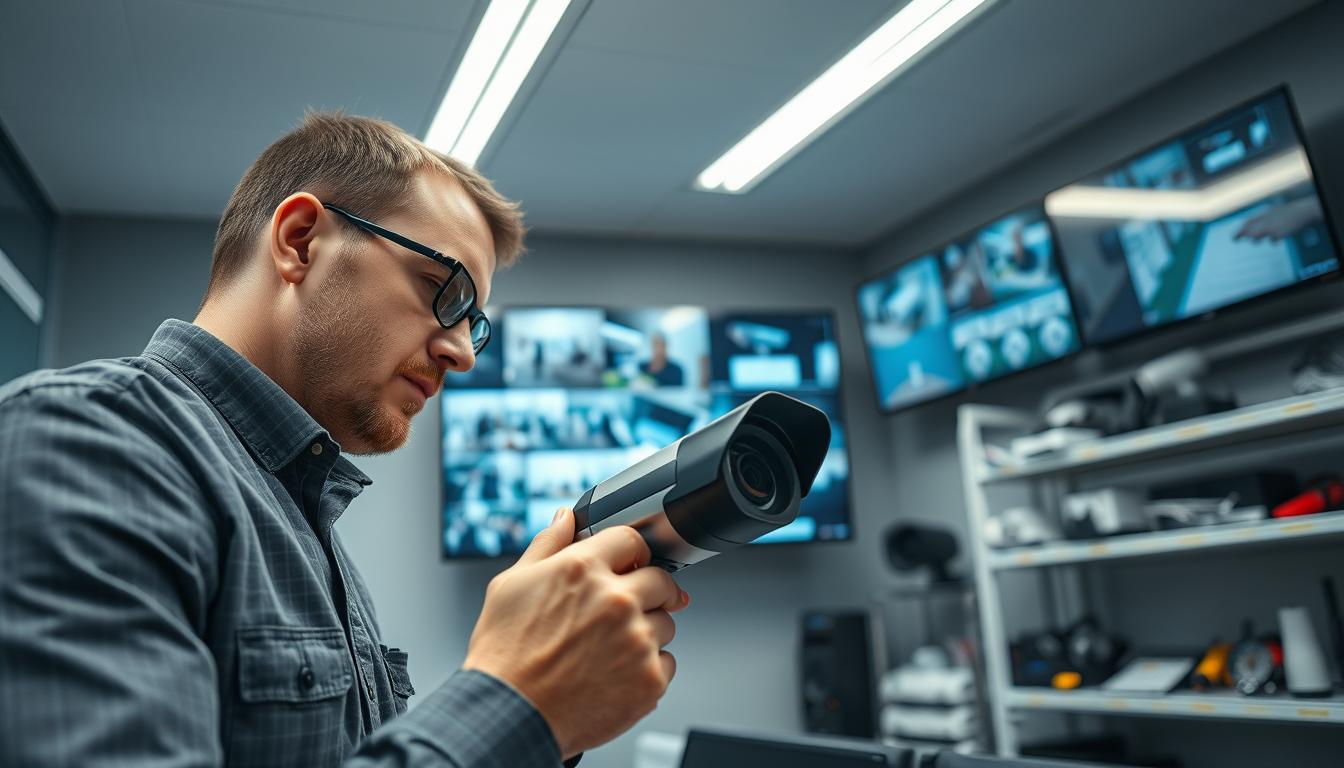
Do CCTV cameras need maintenance? Essential Guide
Many people wonder about the upkeep required for their surveillance equipment. Regular attention to your security system is not just optional—it’s essential for reliable performance.
Studies show that consistent upkeep can reduce equipment failures by up to 30%. Neglecting this crucial aspect often leads to malfunctioning units and dangerous blind spots.
Singapore’s recent 25% theft increase in early 2023 highlights the urgency. Research indicates 87% of security breaches could be prevented with proper checks.
Proper care extends your system’s lifespan and maximizes your investment. It prevents costly repairs and ensures continuous monitoring quality.
This guide covers maintenance types, checklists, and best practices. Professional services are available for those lacking time or expertise.
Key Takeaways
- Regular maintenance reduces equipment failures by 30%
- Neglecting upkeep creates security vulnerabilities and blind spots
- 87% of security breaches are preventable with proper checks
- Proper care extends system lifespan and maximizes ROI
- Professional services are available for those without technical expertise
- Maintenance ensures legal compliance and optimal performance
- Preventative care avoids costly emergency repairs
The Critical Importance of CCTV System Maintenance
Proper upkeep of surveillance technology goes beyond simple cleaning. It forms the backbone of reliable protection for any property. A well-maintained security setup provides peace of mind and operational consistency.
Preventing Security Vulnerabilities and Failures
Regular checks help identify potential issues before they become critical problems. Singapore data reveals 83% of surveillance failures stem from neglected upkeep. This statistic highlights how crucial consistent attention truly is.
Malfunctioning units create dangerous blind spots during critical events. Proactive measures ensure continuous monitoring when it matters most. Early detection of technical issues prevents complete system breakdowns.
Extending Equipment Lifespan and Maximizing ROI
Well-maintained security equipment lasts significantly longer than neglected systems. This extended operational life translates to substantial long-term savings. Properties with properly functioning surveillance often qualify for insurance discounts.
Routine maintenance reduces repair costs by addressing minor issues early. It maximizes your investment by protecting against premature replacement needs. The financial benefits make consistent upkeep a smart business decision.
Ensuring Legal Compliance and Evidence Integrity
Maintained systems guarantee video footage meets legal standards for evidence. Singapore courts require clear, uninterrupted recordings for admissibility. Properly functioning equipment ensures compliance with local regulations.
High-quality footage provides crucial evidence during investigations. It maintains chain of custody requirements for legal proceedings. Regular checks verify that all components meet evidentiary standards.
For comprehensive protection, consider professional CCTV maintenance services that ensure optimal performance and compliance.
Do CCTV Cameras Need Maintenance? Understanding the Necessity
Ongoing system upkeep is not merely recommended but essential for continuous protection. Consistent attention ensures your surveillance investment delivers maximum security value over time.
The Consequences of Neglect: System Failure and Blind Spots
Ignoring regular checks dramatically increases failure risks. Research shows neglected systems experience 75% more operational problems than properly maintained ones.
Blind spots develop when components malfunction unnoticed. These gaps create security vulnerabilities during critical monitoring periods. Fogging or condensation inside housing units often causes these failures.
Dust accumulation on lenses gradually degrades image quality. Power supply issues can disrupt recording functionality without warning. Connection problems may develop over months of inactivity.
These technical issues compromise entire security networks. They transform reliable protection into uncertain monitoring.
How Regular Upkeep Enhances Security and Peace of Mind
Proactive maintenance reduces equipment failures by 75%. It extends system life by 50% according to industry studies.
Over 80% of businesses report higher satisfaction with properly maintained surveillance. They experience fewer emergency repairs and consistent performance.
Regular cleaning prevents fogging and dust-related problems. Software updates ensure optimal recording quality and functionality. Connection verification maintains uninterrupted monitoring capabilities.
This consistent care provides psychological security benefits. Property owners enjoy peace of mind knowing their protection remains operational.
Footage quality remains evidentiary grade through proper upkeep. Monitoring view stays clear without degradation over time.
Investing in regular maintenance transforms security from uncertain to reliable. It ensures your protection system performs when needed most.
Exploring the Different Types of CCTV Maintenance
Three distinct maintenance methodologies exist for surveillance equipment care. Each approach offers unique benefits for property security and system longevity. Understanding these categories helps owners select appropriate strategies.
Preventative Maintenance: Proactive System Checks
This approach focuses on regular inspections before issues develop. It involves scheduled cleaning, testing, and component replacement. Preventative care stops problems before they affect security.
Regular lens cleaning maintains clear video quality. Connection checks ensure stable power and data transmission. Software updates keep the system current with security patches.
ClearView offers maintenance contracts that reduce long-term costs. Their programs include quarterly inspections and priority service. This proactive approach extends equipment life significantly.
Corrective Maintenance: Reactive Repairs and Fixes
This method addresses existing system failures and malfunctions. It typically involves emergency repairs after problems occur. Reactive maintenance often costs more due to urgent service needs.
Common issues include camera malfunctions and recording failures. Connection problems may require cable replacement. Lens damage often needs immediate professional attention.
While necessary for unexpected breakdowns, this approach shouldn’t be the primary strategy. It works best as backup to preventative measures.
Predictive Maintenance: Data-Driven Monitoring
This advanced approach uses analytics to forecast maintenance needs. Sensors monitor equipment performance and identify early warning signs. Data analysis predicts when components might fail.
It’s ideal for modern IP-based surveillance systems. The technology tracks performance trends over months. This allows for precisely timed interventions before failures occur.
Predictive methods maximize uptime and reduce unexpected repairs. They represent the future of security system management. This approach offers the highest efficiency for complex installations.
Choosing the right maintenance type depends on system age and complexity. Older equipment often benefits from preventative strategies. Newer systems can leverage predictive technologies effectively.
The Essential CCTV Maintenance Checklist: A Step-by-Step Guide
Regular checklist-based inspections form the foundation of dependable protection. This systematic approach ensures all components function optimally throughout their operational life.
Inspecting Camera Lenses and Housings for Clarity
Clear viewing capability starts with pristine optical components. Dust and dirt accumulation gradually degrades video quality over time.
Quarterly cleaning prevents image degradation and maintains evidence-grade footage. Check housing seals for weatherproof integrity during each inspection.
Look for condensation or fogging inside protective enclosures. These issues often indicate seal failures requiring immediate attention.
Verifying Power Supply and Cable Connections
Power-related failures cause 72% of surveillance downtime incidents. Regular verification prevents unexpected system shutdowns.
Inspect all cables for physical damage or wear signs. Check connection points for corrosion or loose fittings.
Test backup power systems during routine maintenance checks. Ensure uninterrupted operation during electrical disruptions.
Checking Data Storage Capacity and Recording Functionality
Storage management prevents critical footage loss during security events. Verify available capacity meets your retention requirements.
Test recording functionality across all camera channels. Ensure continuous capture without gaps or errors.
Review storage system health indicators regularly. Replace aging drives before failure compromises security data.
Updating System Software and Firmware
Current software versions enhance performance and security protection. Updates often include critical vulnerability patches.
Schedule regular maintenance intervals for system upgrades. Document version changes for troubleshooting reference.
Backup configurations before applying significant updates. This precaution prevents operational disruptions during the process.
Testing Motion Detection and Image Quality
Motion activation systems require regular calibration for accuracy. Test sensitivity settings across different environmental conditions.
Verify image clarity during various lighting situations. Adjust camera settings for optimal day and night performance.
Document all test results for performance tracking. This data helps identify gradual degradation trends over months.
Tailoring Maintenance to Your CCTV System Type
Different surveillance technologies require unique care approaches. Singapore’s diverse security landscape features one camera for every 13 people. This variety demands customized upkeep strategies for optimal performance.
Maintaining Wired CCTV Systems for Stable Connections
Wired setups demand regular physical connection checks. Cable integrity forms the foundation of reliable operation.
Inspect all wiring for weather damage or wear signs. Check connection points quarterly for corrosion issues.
Test power supply stability during routine inspections. This prevents unexpected system failures during critical monitoring.
Upkeep for Wireless CCTV Systems and Network Health
Wireless technology requires different attention than wired setups. Network stability becomes the primary concern.
Monitor battery levels regularly for uninterrupted operation. Check signal strength across all access points.
Identify and eliminate potential interference sources. Regular network health scans prevent connectivity problems.
Optimizing IP-Based CCTV Systems with Software Updates
Modern IP systems rely heavily on digital components. Software management becomes crucial for security performance.
Schedule regular updates for enhanced functionality. These patches often address critical vulnerability issues.
Monitor system analytics for early problem detection. Digital performance optimization maintains video quality standards.
Caring for Analog CCTV Systems and Signal Quality
Traditional analog equipment needs consistent signal attention. Cable condition directly impacts footage clarity.
Check signal transmission quality every three months. Clean connectors prevent degradation over time.
Simple upkeep extends equipment life significantly. Regular maintenance ensures reliable security monitoring.
Troubleshooting Common CCTV Maintenance Issues
Even well-maintained surveillance setups encounter occasional technical challenges. Knowing how to identify and resolve these problems quickly keeps your security operational. This practical guide addresses the most frequent issues property owners face.
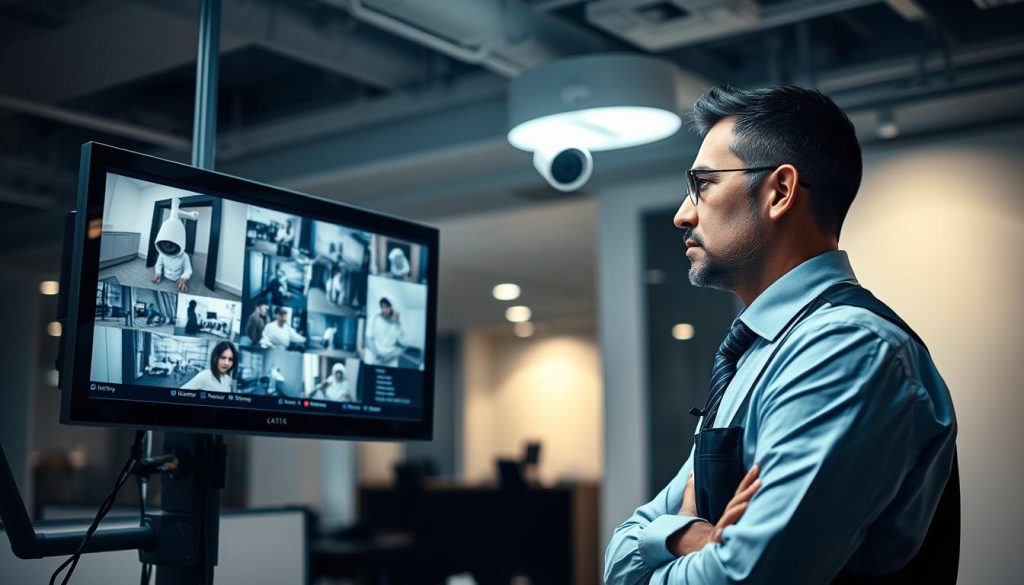
Resolving Camera Lens Problems: Blurring and Fogging
Cloudy or distorted video often stems from lens contamination. Environmental elements gradually accumulate on optical surfaces. This buildup degrades image quality over time.
Gentle cleaning restores clarity to compromised views. Use a soft microfiber cloth for regular maintenance. Avoid harsh chemicals that might damage delicate coatings.
Internal fogging indicates seal failures in housing units. Moisture penetrates through compromised weatherproofing. Address this immediately to prevent internal component damage.
Regular housing inspections prevent moisture-related issues. Check gaskets and seals during routine maintenance. Replace worn components before problems develop.
Fixing Wiring and Connectivity Problems
Intermittent signal loss often points to connection issues. Physical damage to cables disrupts data transmission. Weather exposure accelerates wear on outdoor installations.
Visual inspections reveal early signs of cable degradation. Look for cracked insulation or corrosion at connection points. Address these findings during scheduled maintenance.
Cable testers quickly identify faulty wiring segments. This tool saves time during troubleshooting procedures. It pinpoints exact locations needing attention.
Secure all connections against environmental elements. Proper weatherproofing extends cable life significantly. This prevents many common connectivity problems.
Addressing Storage and Recording Failures
Insufficient storage capacity causes critical footage loss. Systems automatically overwrite old data when full. This creates security gaps during investigations.
Monitor available space through system interfaces. Set alerts for capacity thresholds. Proactive management prevents unexpected overwrites.
Backup systems provide redundancy for important recordings. Cloud storage offers off-site protection for critical evidence. Local network-attached storage serves as intermediate solution.
Regularly test recording functionality across all channels. Verify continuous capture without gaps or errors. This ensures complete monitoring coverage.
Solving Network and IP Connectivity Issues
Modern IP-based systems rely on stable network connections. Intermittent dropouts disrupt remote viewing capabilities. They also affect recording consistency.
Check IP address conflicts within your network configuration. Duplicate addresses cause communication failures. Static addressing prevents these problems.
Firmware updates resolve many connectivity issues. Manufacturers release patches for known bugs. Regular updates maintain optimal performance.
Signal strength testing identifies weak coverage areas. Network analyzers help optimize access point placement. This ensures reliable wireless connectivity.
Most common issues have straightforward solutions when identified early. Consistent monitoring prevents small problems from becoming major failures. Professional assistance remains available for complex technical challenges.
Creating an Effective CCTV Maintenance Schedule and Best Practices
A structured maintenance plan transforms random checks into reliable protection. This approach ensures consistent performance and prevents unexpected security gaps. Proper scheduling adapts to your specific environment and usage patterns.
Determining the Right Inspection Frequency for Your Needs
High-traffic locations demand more frequent attention than low-activity areas. Busy commercial spaces benefit from monthly professional inspections. Residential properties often require quarterly checks for optimal performance.
Singapore businesses show 75% fewer equipment failures with quarterly servicing. This proven approach maximizes security investment returns. Environmental factors like weather and dust influence inspection timing.
Implementing Weekly and Monthly Visual Checks
Regular visual inspections catch early warning signs before they become major problems. Weekly checks should include camera angle verification and housing condition assessment. Monthly reviews involve more detailed component examination.
Look for physical damage, corrosion, or weather-related wear during these inspections. Document findings to track performance trends over time. This proactive approach prevents most common security system issues.
Scheduling Quarterly and Annual Professional Servicing
Professional technicians provide comprehensive system audits every three months. These sessions include thorough cleaning, software updates, and performance optimization. Annual servicing involves complete system diagnostics and component testing.
Expert maintenance extends equipment life by up to 50% according to industry studies. Regular professional care ensures your investment continues delivering maximum protection value.
Adopting Best Practices for Long-Term System Health
Consistent lens cleaning every three months maintains crystal-clear video quality. Check all connections quarterly for corrosion or loose fittings. Update software regularly to ensure optimal performance and security.
Monitor storage capacity to prevent critical footage loss during incidents. Test backup power systems during routine maintenance checks. These practices combine to create a robust protection strategy.
“Quarterly maintenance reduces equipment failures by 75% while extending system lifespan significantly.”
A well-planned schedule transforms reactive repairs into proactive protection. This approach saves time and money while ensuring continuous security coverage. Your surveillance investment deserves this level of careful attention.
Securing Your Investment with Professional CCTV Maintenance
Expert care ensures your surveillance system operates flawlessly for years. Professional services offer 24/7 support and tailored plans that fit your specific needs.
Companies like Huntaway provide clear pricing with unlimited assistance. Their contracts extend equipment life by 50% and cut downtime by 40%.
Choosing experienced providers familiar with Singapore’s regulations is crucial. They prevent costly emergencies and ensure compliance.
Investing in professional upkeep guarantees reliable security monitoring. Contact local experts today for a customized solution.
FAQ
How often should a security camera system be serviced?
It’s recommended to perform visual checks monthly, with a full professional inspection every six to twelve months. Systems in harsh environments or with heavy usage may require more frequent attention to prevent issues.
What are the signs that my surveillance equipment requires immediate attention?
Look for degraded image quality, intermittent recording, system errors, or physical damage to housings. These symptoms often indicate underlying problems that need prompt repair to maintain security effectiveness.
Can I perform security system maintenance myself, or should I hire professionals?
Basic tasks like lens cleaning and visual inspections can be done yourself, but complex repairs, software updates, and comprehensive system checks should be handled by certified technicians to ensure proper functionality.
What happens if I neglect regular upkeep of my monitoring equipment?
Without proper care, systems develop blind spots, experience recording failures, and become vulnerable to security breaches. Neglect also shortens equipment lifespan and compromises evidence quality.
How does regular maintenance impact the overall performance of my security setup?
Consistent upkeep ensures optimal image clarity, reliable recording, and system stability. It prevents unexpected failures and maintains the system’s ability to provide clear, usable footage when needed most.
Are software updates really necessary for modern surveillance systems?
Absolutely. Firmware updates address security vulnerabilities, improve features, and fix bugs. Keeping software current is crucial for protecting against cyber threats and ensuring compatibility with other security components.


