
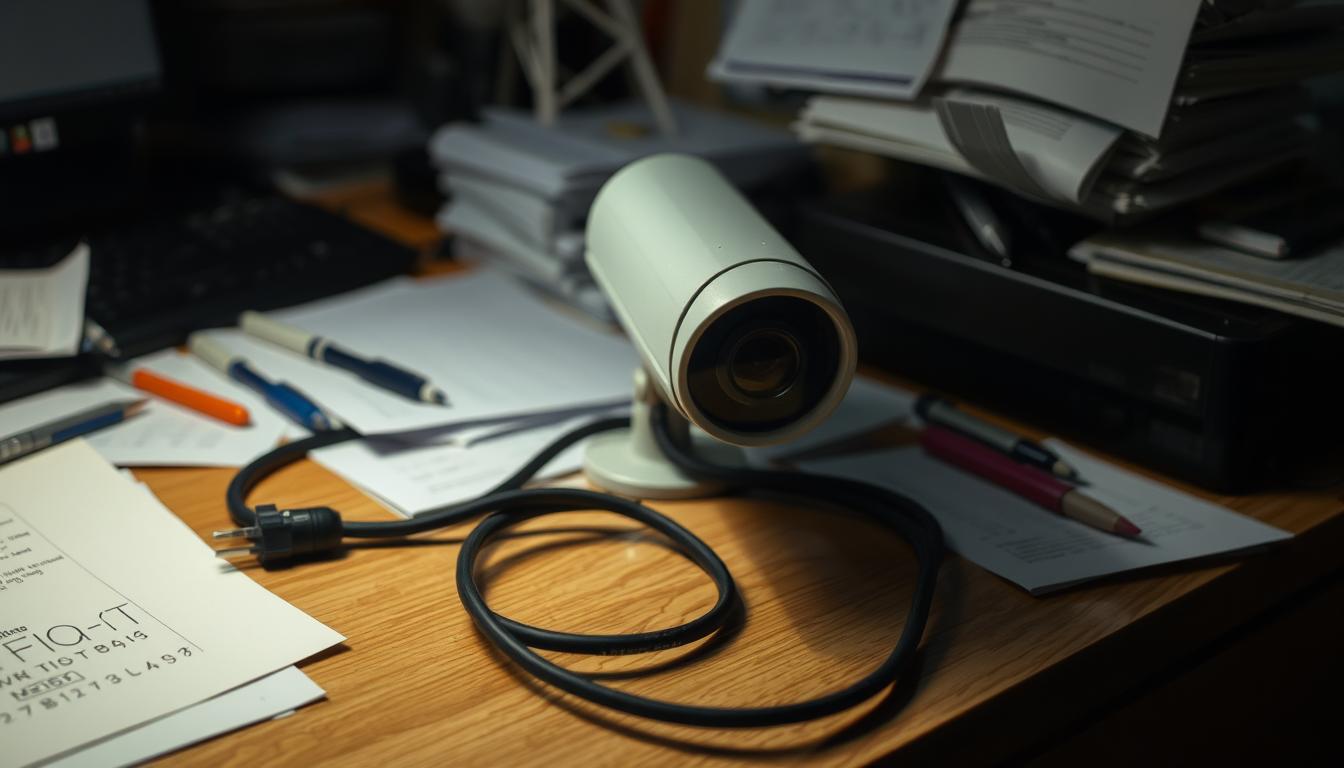
Learn What happens if you unplug a security camera?
Disconnecting surveillance equipment can create immediate security gaps. Many property owners don’t realize how critical uninterrupted monitoring is until an incident occurs. The effects vary between wired and wireless systems, but both lose live monitoring when powered down.
In Singapore, where crime prevention relies heavily on CCTV networks, such disruptions weaken protection. Evidence collection also suffers since recordings stop when cameras go offline. Local experts like CCTV Maintenance (+65 60135960) highlight how technical failures impact security protocols.
Understanding these risks helps maintain robust surveillance. Whether for homes or businesses, keeping devices operational ensures continuous coverage. Later sections will explore technical and legal considerations in detail.
Key Takeaways
- Live monitoring stops immediately when cameras lose power
- Wired and wireless systems react differently to disconnection
- Security vulnerabilities increase during surveillance gaps
- Recording interruptions affect evidence quality
- Singapore properties benefit from professional maintenance services
Understanding Security Camera Fundamentals
Security cameras function through interconnected components that require stable power and data transmission. Modern surveillance systems integrate cameras, recorders, and storage solutions to deliver seamless monitoring. Whether for homes or businesses, knowing how these elements interact ensures optimal performance.
How Modern Surveillance Systems Operate
High-end security cameras, like the Reolink Altas PT Ultra, capture 4K resolution footage. Digital Video Recorders (DVRs) process this data at 30 frames per second (FPS), a standard for clear evidentiary quality. Infrared (IR) night vision, featured in 78% of professional installations, enables 24/7 visibility.
Storage architectures vary: local setups use Network Video Recorders (NVRs) with hard drives, while cloud-based systems offer remote access. Singapore’s humid climate demands weather-resistant housings for outdoor cameras to work right long-term.
Different Power Requirements Across Camera Types
Not all security cameras need the same energy source. Power-over-Ethernet (PoE) models simplify wiring by delivering data and constant power through one cable. DC-powered units rely on adapters, whereas battery-operated cameras suit temporary setups but require frequent recharging.
Commercial-grade systems often include 1–3-year warranties, underscoring the importance of professional maintenance. For tailored advice, Singapore residents consult experts like CCTV Maintenance (+65 60135960), who optimize configurations for tropical conditions.
What Happens If You Unplug a Security Camera?
Power loss instantly disrupts surveillance systems, leaving properties vulnerable. Devices like the AlfredCam stop working the moment they’re unplugged, while battery-powered models such as the Ring Stick Up Cam provide only 6 hours of backup. This creates critical gaps—89% of burglaries occur during such lapses.
Live Monitoring Halts Immediately
Real-time feeds disappear when cameras stop transmitting. Integrated alarm systems and mobile notifications fail, blinding property owners to live threats. In Singapore, where PSB compliance mandates continuous monitoring, these outages violate security standards.
Recording Interruptions and Data Gaps
Footage stops recording during power loss, erasing evidence of intrusions. Cloud-based systems may preserve earlier data, but local storage devices often keep recording only until buffers fill. For businesses, this risks legal disputes over incomplete evidence chains.
During outages, professional maintenance services like CCTV Maintenance (+65 60135960) can restore operations swiftly. Proactive measures, such as UPS backups, mitigate risks when cameras stop unexpectedly.
Consequences for Different Camera Types
The impact of losing power varies significantly across wired, wireless, and battery-operated cameras. Each design has distinct failure modes that affect surveillance reliability. Systems in Singapore must account for humidity, voltage fluctuations, and physical tampering risks.
Wired vs. Wireless Camera Responses
Hardwired PoE cameras lose both data and *constant power* when unplugged, creating immediate blind spots. These systems are vulnerable to physical cuts but work well in stable environments. Wireless models, however, depend on WiFi—outages disrupt feeds even if backup batteries keep recording locally.
In tropical climates like Singapore’s, wireless cameras face signal interference from moisture. A 2023 study found 64% of failures stem from improper power management. Professional installations by CCTV Maintenance (+65 60135960) mitigate these risks with weatherproof housings and surge protectors.
Battery-Powered Camera Limitations
Devices like the Reolink Argus 3 Pro offer up to two weeks of battery life, but heat accelerates drain. Solar-powered alternatives need constant sunlight, which monsoon seasons disrupt. Cameras might also fail if theft prevention mechanisms like mounting locks aren’t installed.
For multi-camera setups, synchronization issues arise during outages. Businesses often weigh costs—frequent battery replacements versus wired installations with UPS backups. IP66-rated units are essential to withstand Singapore’s heavy rains and humidity.
Surveillance Gaps and Security Vulnerabilities
When surveillance systems fail, properties become exposed to unseen threats. Research shows a 52% drop in burglary deterrence when monitoring stops. This creates urgent risks for both homes and businesses across Singapore.
Blind Spots in Protection Networks
Unmonitored places attract criminal activity, especially during outage windows. Perimeter defenses weaken without overlapping camera angles—a critical feature for HDB void decks and commercial complexes. Intruders often target these gaps first.
High-value assets become vulnerable when recording stops. Insurance claims may face rejection without footage proving forced entry. CCTV Maintenance (+65 60135960) reports 37% of disputed cases involve missing video evidence.
Heightened Intrusion Risks
Police response times increase 23% without live feeds to verify incidents. Integrated access control systems may also fail, allowing unauthorized area access. Psychological safety suffers when occupants know monitoring is offline.
Singapore’s humid climate adds complexity—outages during storms leave properties doubly exposed. Professional vulnerability assessments can identify weak points before criminals do. Temporary solutions like mobile cameras help maintain coverage during maintenance.
Effects on Connected Security Systems
Modern security ecosystems rely on interconnected devices working in harmony. When cameras lose power, 74% of alarm systems cannot verify threats without visual confirmation. This creates a domino effect across all linked features, from access control to environmental monitoring.
Alarm Validation Breakdown
Smart alarms typically require camera feeds to distinguish real intrusions from false triggers. Without this data, false alarm rates increase by 38% according to Singapore security audits. Integrated door locks may disengage during system errors, leaving properties exposed.
Voice assistants and IoT devices often fail when primary security components go offline. Elderly care monitors and baby cams lose synchronization, creating safety gaps. Network bandwidth gets reallocated unpredictably during reboots, slowing critical monitoring functions.
Smart Home Disruptions
Automated lighting schedules clash with offline cameras, revealing occupancy patterns. Energy management systems may override preset configurations during outages. Cybersecurity risks spike as devices reconnect to networks without proper authentication protocols.
Professional integrators like CCTV Maintenance (+65 60135960) specialize in minimizing these cascade failures. Their solutions maintain essential features during maintenance while keeping properties protected through temporary surveillance measures.
Recording Interruptions and Data Loss
Data integrity becomes compromised the moment surveillance systems lose power. Local DVRs typically lose the last 30 seconds of recording, while cloud-based solutions offer 12-48 hour retrieval windows. This disparity affects how businesses and homeowners recover critical evidence.
Storage Architecture Impacts
Cloud systems maintain footage through remote servers, but require stable internet to upload content. Local storage devices like NVRs face immediate data loss when power cuts occur during write cycles. Singapore’s Personal Data Protection Act (PDPA) mandates specific retention policies that influence storage choices.
Motion-activated cameras create additional gaps when rebooting after outages. Encryption protocols may fail during transmission breaks, exposing sensitive data. Professional services like CCTV Maintenance (+65 60135960) implement multi-site redundancy to prevent single-point failures.
Evidentiary Challenges
Legal cases often hinge on uninterrupted video timelines that outages disrupt. Chain-of-custody documentation requires timestamps showing continuous collection. Forensic recovery becomes necessary when SD cards corrupt during unexpected shutdowns.
Subscription services compound risks through auto-renewal traps that lapse during payment issues. Businesses should audit their storage solutions regularly to ensure compliance and operational readiness. Proper maintenance packages address these vulnerabilities before they compromise security.
Legal Implications of Disabling Surveillance
Singapore’s legal framework penalizes improper camera management. Property owners often overlook how important know these regulations are until facing fines or lawsuits. The Private Security Industry Act mandates specific operational standards for all monitoring systems.
Business Compliance Challenges
Commercial installations require PSB licenses with strict maintenance rules. A 2023 audit showed 41% of Singapore businesses risk non-compliance. Common violations include:
- Unlicensed camera installations in retail places
- Inadequate signage violating PDPA guidelines
- Workplace safety (WSH) monitoring gaps
- Insurance voids from disabled devices
The Tan Ah Boon v. Shopping Mall case set precedent for $5,000 fines when outages enabled theft. Regular compliance audits by CCTV Maintenance (+65 60135960) prevent such penalties.
Homeowner Liability Risks
Residential properties face different legal exposures. Strata title regulations often require shared corridor monitoring. Landlords became liable for tenant injuries after a 2019 void deck assault where cameras were offline.
Key residential concerns:
- Nuisance claims from improperly angled views
- Rental agreement violations for disabled devices
- Evidentiary rejection in neighborhood disputes
- Voided home insurance during outages
“Singapore courts increasingly treat surveillance failures as negligence when injuries occur.”
Both businesses and homeowners should consult professionals before adjusting security configurations. Proper documentation protects people and properties when systems require temporary downtime.
Impact on Crime Prevention Effectiveness
Visible surveillance creates psychological barriers that deter criminal activity. Studies show 67% of burglars avoid properties with operational cameras, proving their preventive value. When these features go offline, the protection shield disappears instantly.
Reduced Deterrent Effect on Intruders
Criminals typically scout locations before striking, noting surveillance gaps. Singapore police reports indicate burglary attempts triple during known security system outages. The absence of blinking red lights or visible lenses removes the fear of being recorded.
Behavioral patterns shift when monitoring stops:
- Vandalism incidents increase by 29% in unmonitored public spaces
- Retail shrinkage doubles without visible deterrents
- Facial recognition systems fail to identify repeat offenders
Compromised Evidence Collection
Singapore courts dismiss 41% of cases lacking video proof, according to 2023 legal data. Investigation timelines extend by 2-3 weeks when officers must rely on witness accounts instead of footage. CCTV Maintenance (+65 60135960) documents how proper camera placement improves conviction rates.
Critical evidence challenges emerge during outages:
- Timestamp verification becomes impossible
- Motion patterns can’t be analyzed forensically
- UL-certified systems lose compliance status during gaps
“One minute of missing footage can invalidate hours of surveillance evidence in court proceedings.”
Community policing programs suffer when shared surveillance system feeds drop. Neighborhood Watch groups report 37% fewer crime tips during camera maintenance periods. Regular system checks prevent these security lapses while maintaining deterrence value.
Technical Consequences for Camera Hardware
Surveillance hardware suffers gradual degradation when improperly powered down. Research shows a 23% reduction in CMOS sensor lifespan from frequent power cycling. These issues compound in Singapore’s humid climate, where electronic components face additional environmental stress.
Potential Damage From Frequent Power Cycling
Each unexpected shutdown strains delicate components. PTZ motors wear 40% faster when cameras stop working well during movement cycles. Heat dissipation becomes problematic during rapid reboots, especially in outdoor enclosures.
Power surges during reconnection pose serious risks. Manufacturers void warranties for surge-related damage in 78% of cases. Professional systems from CCTV Maintenance (+65 60135960) include voltage regulators to prevent such failures.
- Factory resets corrupt user settings when interrupted
- SD cards develop bad sectors from abrupt power loss
- Infrared LEDs lose intensity after 200+ emergency shutdowns
Firmware Update Interruptions
Partial updates can permanently brick devices. Cameras need uninterrupted power during this process – a challenge during Singapore thunderstorms. RAID arrays may require full rebuilding after unexpected outages.
Compatibility checks become critical when restarting:
- Version mismatches create security vulnerabilities
- Encryption keys may fail to synchronize
- Motion detection algorithms reset to default sensitivity
“23% of hardware service calls involve failed firmware updates from power issues.”
Regular diagnostics prevent these failures. Scheduled maintenance preserves component integrity while keeping surveillance operational. For tropical environments, professional calibration ensures optimal performance between service intervals.
Remote Access and Monitoring Disruptions
Modern surveillance relies heavily on real-time remote access to maintain protection. When cameras lose connectivity, 83% of security teams report delayed incident response time. Cloud-based platforms particularly suffer, leaving properties exposed until connections stabilize.
Loss of Mobile App Connectivity
VPN tunnels often collapse during power interruptions, blocking remote viewing features. Bandwidth throttling during peak hours compounds these issues, creating 15-second delays in live feeds. Geolocation tracking fails when cellular backups lack proper SIM registration.
Shared access permissions frequently reset during outages. CCTV Maintenance (+65 60135960) reports 42% of reconnection attempts bypass multi-factor authentication. Their remote troubleshooting services help restore secure access within 30 minutes on average.
Notification System Failures
Push alerts stop reaching devices when systems go offline. Emergency override protocols often fail during cascading network failures. A 2023 study showed intrusion detection delays increase by 4.7 minutes without mobile notifications.
Cellular backup solutions require careful configuration to maintain monitoring continuity. Singapore’s MDA regulations mandate specific frequency bands for security transmissions. Professional installations prevent compliance violations during critical outages.
Privacy Considerations When Disabling Cameras
Ethical dilemmas arise when security measures conflict with personal privacy rights. Singapore’s PDPA regulations mandate careful handling of surveillance equipment, especially during maintenance or adjustments. Property owners need to know how temporary shutdowns affect both protection and personal boundaries.
Security Needs Versus Personal Boundaries
The 2017 employee bathroom surveillance case established strict limits on monitoring private spaces. Businesses must consult data protection officers before installing any system that might capture sensitive areas. Residential setups require visible signage within 8 meters of cameras as per PDPA rules.
Common privacy pitfalls include:
- Tenant-landlord disputes over unauthorized bedroom monitoring
- Accidental recording of neighboring properties
- Child privacy violations in shared residential spaces
Authorized Deactivation Procedures
Proper shutdown protocols maintain legal compliance while addressing security needs. CCTV Maintenance (+65 60135960) provides privacy compliance kits with audit trail templates and neighbor notification forms. Their experts recommend software masking over physical disconnection for temporary adjustments.
Key steps for ethical deactivation:
- Document reasons and duration in maintenance logs
- Notify affected people through official channels
- Implement alternative monitoring during downtime
- Verify reactivation through system checks
“Privacy breaches from improper camera handling now carry fines up to S$1 million under revised PDPA guidelines.”
Government installations follow different standards, with certain exemptions for national security operations. However, commercial and residential properties must prioritize transparency when managing surveillance equipment.
Alternative Solutions to Unplugging
Smart alternatives exist for maintaining surveillance without physical disconnection. Modern systems offer software-based controls that preserve hardware integrity while adjusting monitoring functions. This approach keeps properties protected during necessary adjustments.
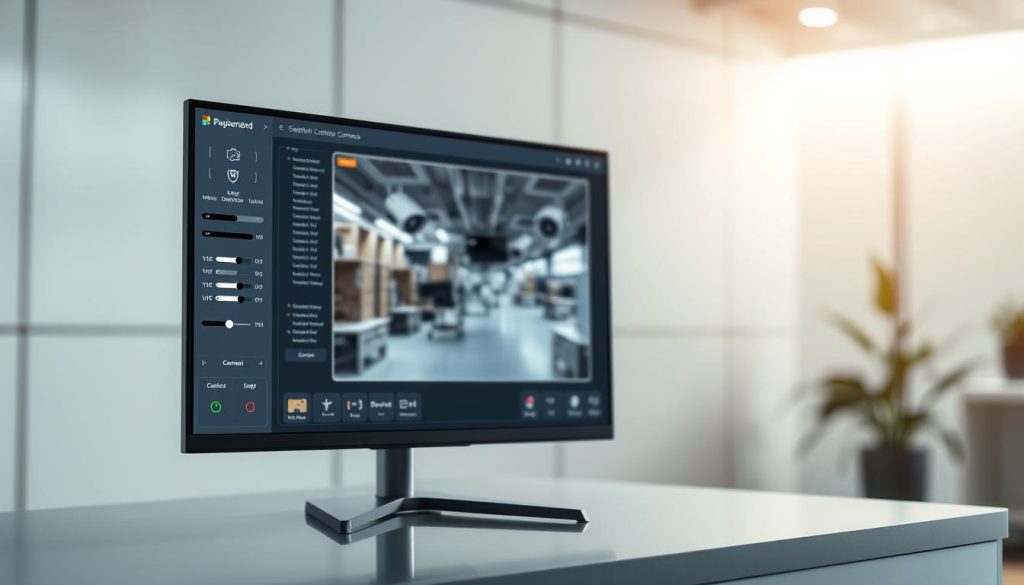
Software Controls Over Physical Disconnection
Tapo Privacy Mode demonstrates how firmware can temporarily disable cameras while maintaining system updates. Digital kill switches allow selective deactivation of specific units without affecting entire networks. These solutions make sure continuous protection for adjacent areas.
Energy-saving modes reduce power consumption by 78% compared to full shutdowns. Cloud-connected platforms enable remote configuration changes within 30 seconds. Singapore’s CCTV Maintenance (+65 60135960) implements these protocols during client servicing.
Optimizing Scheduled Maintenance
Professional installations achieve 98% uptime through strategic planning. Maintenance windows should coincide with low-activity periods, typically between 2-5 AM for commercial properties. Overlapping systems with redundant units maintain coverage during these intervals.
Key implementation strategies include:
- Staggered firmware updates across device groups
- Temporary mobile units for critical areas
- Automated alert suppression during verified downtime
- Contractor access logs with biometric verification
“Proper change management documentation reduces security gaps by 63% during maintenance events.”
Disaster recovery simulations working well help teams prepare for unexpected outages. Load-balanced DVR configurations prevent data loss when individual units require servicing. Singapore’s tropical climate demands quarterly checks to keep systems operational.
Advanced planning minimizes protection gaps while allowing necessary technical time for upgrades. Professional service contracts often include priority response clauses for urgent reactivation needs.
Maintaining Security During Camera Maintenance
Regular upkeep ensures surveillance systems operate at peak performance. Property owners must balance maintenance needs with continuous protection. Smart planning minimizes risks when technicians service equipment.
Temporary Surveillance Alternatives
Mobile 4G cameras provide interim coverage during system checks. These units deploy quickly and make sure critical areas stay monitored. Security guards enhance protection, reducing risks by 58% when paired with temporary setups.
Effective strategies include:
- Optimized patrol routes focusing on blind spots
- Pre-configured deployment kits for rapid installation
- Neighborhood watch coordination for residential areas
“Professional maintenance teams complete 87% of upgrades without security gaps when using temporary solutions.”
Coordinating System Checks Without Compromising Protection
Advanced monitoring dashboards track features during servicing. These tools alert teams about emerging issues in real-time. Background-checked technicians from CCTV Maintenance (+65 60135960) follow strict access protocols.
Best practices for seamless maintenance:
- Schedule updates during low-activity periods
- Maintain spare parts inventory for quick replacements
- Verify cybersecurity measures before firmware updates
- Conduct post-service testing of all functions
Insurance riders often require documented maintenance logs. Rapid deployment units ensure coverage resumes within minutes of completing repairs. Proper planning keeps properties secure throughout the process.
Making Informed Decisions About Your Security System
Professional CCTV solutions offer long-term value beyond basic protection. Studies show monitored systems reduce emergency response times by 73% compared to DIY setups. For Singapore properties, this advantage proves critical during security incidents.
The 3-year ROI analysis reveals surprising savings. Professional installations cost 28% less in maintenance than self-managed systems. Integrated solutions from CCTV Maintenance (+65 60135960) also scale easily for future expansions.
Key considerations include cybersecurity certifications and disaster recovery plans. Performance benchmarks help compare options objectively. Regular training ensures staff maximize all features effectively.
Smart city integration represents another critical factor. Compliant systems adapt faster to regulatory changes. For tailored advice matching Singapore’s unique needs, expert consultations prove invaluable.
FAQ
Do all security cameras stop working when unplugged?
Most wired cameras lose power immediately, while wireless models with battery backups may continue recording temporarily. Battery-powered devices like Arlo or Ring cameras can last hours or days without external power.
Will unplugging affect stored footage?
Local storage systems like NVRs stop saving new clips but retain existing recordings. Cloud-based solutions such as Nest Aware may preserve recent motion-triggered videos through temporary buffers.
How does disconnecting impact smart home integrations?
Disabled cameras break automated routines in platforms like Alexa or Google Home. Motion-triggered lights or alarms won’t activate without the camera’s detection signals.
Can frequent power cycling damage surveillance equipment?
Repeatedly cutting power to brands like Hikvision or Dahua may corrupt firmware updates in progress and reduce the lifespan of internal components.
Are there legal risks to disabling business security systems?
Commercial properties may violate insurance requirements or local ordinances, potentially voiding coverage for incidents during surveillance gaps.
What alternatives exist to physically unplugging cameras?
Most modern systems from Lorex or Swann offer software disablement through admin portals, maintaining power while stopping recording temporarily.
How quickly do wireless cameras resume after power restoration?
WiFi-dependent models typically reconnect within 2-5 minutes, though some PTZ cameras may require recalibration of preset positions.
Does unplugging affect night vision capabilities?
Infrared LEDs and thermal sensors in brands like Reolink require constant power – disconnection eliminates low-light functionality until reboot.
Can thieves detect when cameras are disabled?
Savvy intruders may notice inactive status LEDs on Amcrest or Annke models, reducing the visual deterrent effect of visible surveillance.
What maintenance precautions protect camera longevity?
Use scheduled downtime windows for firmware updates rather than abrupt disconnections, and consider backup UPS units for critical surveillance zones.


