

Top Rated Best Solar Outdoor Security Camera for Outdoor Use
In Singapore, the demand for sustainable and efficient home security systems is on the rise. With the tropical climate posing unique challenges, residents are seeking solutions that combine reliability and energy efficiency. A recent CNET survey revealed that 1 in 6 US adults experience package theft, highlighting the need for robust security measures.
The Arlo Essential 2nd-gen stands out as a top choice for Singaporeans. Its 2K resolution and weatherproof design make it ideal for the humid conditions here. Additionally, its integration with solar panels ensures continuous operation while reducing energy bills.
When choosing a security camera, factors like battery life, night vision, and durability are crucial. Brands like ADT, Lorex, and Ring offer options that cater to both HDB flats and landed properties. These devices not only enhance security but also act as effective theft deterrents.
Key Takeaways
- Growing demand for sustainable security solutions in Singapore.
- 1 in 6 US adults experience package theft, emphasizing the need for reliable systems.
- Arlo Essential 2nd-gen recommended for its 2K resolution and weatherproof design.
- Solar panels ensure continuous operation and energy savings.
- Integration with smart home systems is a key consideration.
- Top brands include ADT, Lorex, and Ring.
- Weatherproofing is essential for Singapore’s humid climate.
Why Choose a Solar-Powered Security Camera?
With sustainability in focus, solar energy is transforming security systems. These devices offer a blend of eco-friendliness, cost efficiency, and reliability, making them a smart choice for modern homes.
Environmental Benefits
Solar-powered devices use 100% renewable energy, significantly reducing CO2 emissions. This aligns with Singapore’s Green Plan 2030, which promotes eco-friendly solutions. Additionally, systems like Lorex use rechargeable batteries, eliminating disposable battery waste.
Cost Savings
Switching to solar can cut energy bills by 30-50% compared to wired systems. For example, ADT’s Wasserstein panel removes monthly charging costs, while TP-Link Tapo requires just 30 minutes of daily sunlight to function efficiently.
Reliability and Efficiency
These systems are built to withstand Singapore’s 90% humidity. Lorex panels operate in extreme temperatures, from -22°F to 122°F. Backup batteries ensure functionality during monsoon seasons, and ADT’s trickle charging guarantees 24/7 operation.
Key Features to Look for in a Solar Security Camera
Understanding the critical features of these devices can help you make an informed choice. Whether you’re monitoring your home or business, certain functionalities ensure reliability and efficiency. Let’s explore the essential aspects to consider.
Battery Life and Solar Charging
One of the most important factors is battery life. Devices like the Arlo Essential can last up to six months on a single charge, making them highly efficient. Pairing this with solar panels ensures uninterrupted operation, even during extended periods of low sunlight.
For tropical climates like Singapore, a waterproof IP65+ rating is crucial to withstand heavy rains and humidity. Additionally, positioning the panel at an optimal tilt of 10°-15° maximizes sunlight absorption, ensuring consistent performance.
Night Vision Capabilities
Effective monitoring requires robust night vision capabilities. Devices like Lorex offer color night vision up to 50 feet, providing clear visuals even in low-light conditions. TP-Link Tapo’s dual-light system combines infrared and color options, reducing glare from nearby lights.
This feature is particularly useful in urban areas with HDB corridor lights, ensuring your device captures accurate footage without interference.
Motion Detection and Alerts
Advanced motion detection systems, such as those found in Google Nest, use AI to distinguish between humans and other objects. This reduces false alarms caused by pets or moving foliage. Customizable zones via apps like Ring allow you to focus on specific areas, enhancing accuracy.
Real-time alerts sent to your smartphone ensure you’re always informed, providing peace of mind whether you’re at home or away. For more insights on integrating these features, check out this guide.
ADT: Best Security System with Solar-Powered Cameras
ADT offers a robust solution for modern home monitoring needs. Known for its reliable security systems, ADT integrates advanced technology to ensure seamless protection. Its solar-powered security camera options are particularly noteworthy, combining sustainability with efficiency.
Overview and Features
ADT’s features include seamless integration with the Google Nest ecosystem, offering a unified smart home experience. The 135° field of view ensures comprehensive coverage, ideal for condo entrances or driveways. Users can choose between professional monitoring and DIY options, providing flexibility based on their needs.
Pros and Cons
One of the standout advantages is video verification, which reduces false alarms by distinguishing between humans and other objects. Compatibility with Alexa and Google Home adds convenience, while free cloud storage with a subscription plan enhances accessibility. However, the premium pricing may deter some users, and the 1080p resolution, while clear, isn’t the highest available. Additionally, ADT doesn’t offer official solar hardware, requiring users to source panels separately.
User Experience
For optimal performance in tropical climates like Singapore, users recommend using Google Store panels. Avoid north-facing installations to maximize sunlight exposure. Combining ADT’s system with smart locks can further enhance security by enabling auto-entry features. For more tips on setting up your system, check out this guide.
Lorex: Best Solar-Powered Options
Lorex provides a reliable solution for those seeking advanced monitoring systems. With features like 4K Ultra HD and 180° panoramic views, it’s designed to meet diverse security needs. Its compatibility with multiple models makes it a versatile choice for homeowners.
Overview and Features
Lorex stands out with its 4K resolution, ensuring crisp visuals for license plate recognition. The 180° panoramic view offers wide coverage, ideal for large properties. Additionally, it provides up to 2TB of free local storage, eliminating the need for subscription fees.
Pros and Cons
One of the key advantages is its weatherproof design, rated IP67 for heavy rain. The system works seamlessly with four different camera models, offering flexibility. However, the app interface can be complex, and the bulky design may not suit HDB windows.
User Experience
Users recommend Lorex for landed property perimeters, where its wide coverage excels. Pairing it with Lorex NVR ensures 24/7 recording. For coastal areas, corrosion-resistant mounts are essential to maintain durability.
- Features: 4K Ultra HD, 180° panoramic view, 2TB local storage.
- Pros: Weatherproof, no subscription, works with multiple models.
- Cons: Complex app, bulky design.
- User Tips: Ideal for landed properties, pair with NVR, use corrosion-resistant mounts.
Ring: Best Solar-Powered Equipment
Ring has become a popular choice for those seeking eco-friendly monitoring solutions. Its solar-powered security options are designed to enhance home security while reducing energy consumption. With features like quick-release battery packs and affordable panel accessories, Ring offers a blend of convenience and sustainability.
Overview and Features
Ring’s equipment includes the Solar Spotlight Cam Mount, which ensures optimal sunlight absorption. The 1080p HD resolution and 140° field of view provide clear and wide coverage. Integration with Amazon allows for seamless smart home connectivity, while neighborhood alert sharing enhances community safety.
Pros and Cons
One of the standout features is the easy DIY installation, making it accessible for most homeowners. Floodlight models act as effective deterrents against intruders. However, the requirement of a Ring Protect Plan and limited 1080p resolution may be drawbacks for some users. Privacy concerns related to Amazon data sharing are also worth noting.
User Experience
Users recommend Ring for porch or balcony monitoring, where its angled mounts maximize afternoon sunlight. Combining it with the Ring Alarm system creates a comprehensive home security setup. For those in Singapore, positioning the panel to avoid north-facing installations ensures consistent performance.
Google Nest: Best Solar-Powered Smart Home Integrations
Google Nest combines advanced technology with eco-friendly solutions for modern homes. Its smart home integrations and sustainable energy use make it a top choice for those seeking reliable monitoring. With features like facial recognition and 3-hour free video history, it’s designed to meet diverse needs.
Overview and Features
Google Nest offers features that enhance both convenience and security. Its AI-powered person and package detection ensures accurate alerts, reducing false alarms. The 130° field of view with HDR provides clear visuals, even in challenging lighting conditions. Integration with Google Home allows seamless control, making it a central part of your smart home ecosystem.
For those prioritizing sustainability, the Wasserstein panel at $59.99 ensures efficient solar power charging. This eco-friendly approach aligns with modern energy-saving goals.
Pros and Cons
One of the standout advantages is its climate-friendly manufacturing process, which minimizes environmental impact. The tamper-proof design adds an extra layer of security, while 3-hour free cloud storage enhances accessibility. However, the lack of a 4K option and premium pricing may be drawbacks for some users.
User Experience
Google Nest is ideal for smart home setups in condos, where its compact design and advanced features shine. Users recommend using Time Zones to optimize battery charging, ensuring consistent performance. Pairing it with a Nest Thermostat creates a fully integrated system, enhancing both comfort and security.
Arlo: Best Solar-Powered DIY Options
Arlo’s DIY-friendly solutions are perfect for those who value flexibility and ease of use. With features like magnetic mounts and true wireless installation, it’s designed for hassle-free setup. Whether you’re renting or own your home, Arlo offers adaptable options to meet your needs.
Overview and Features
Arlo’s solar-powered security camera stands out with its 2K HDR resolution and color night vision. The 130° field of view ensures wide coverage, while the 8ft cable allows flexible panel placement. Magnetic mounts make repositioning effortless, and compatibility with the Arlo SmartHub enhances functionality.
For those who prefer local storage, the USB option is a convenient alternative to cloud subscriptions. These features make Arlo a versatile choice for various setups.
Pros and Cons
One of the key advantages is the true wireless installation, which eliminates the need for complex wiring. The 6-month warranty adds peace of mind, and the $59.99 panel is an affordable accessory. However, a subscription is required for AI features, and the mounting brackets can feel flimsy.
Despite these drawbacks, Arlo remains a popular choice for its ease of use and adaptability.
User Experience
Users recommend using silicone sealant for window mounts to ensure stability. Arlo is particularly well-suited for rental properties, where flexibility is essential. Pairing it with the Arlo Chime enhances its functionality, creating a comprehensive monitoring system.
For optimal performance, ensure the panel is positioned to maximize sunlight exposure. This setup ensures continuous operation and reliable monitoring.
SimpliSafe: Easiest Solar-Powered Setup
SimpliSafe offers a straightforward and efficient way to enhance your home monitoring. Known for its simplicity, this system is ideal for those who want a hassle-free setup. With features like encrypted 24/7 monitoring and activity zone customization, it’s designed to meet diverse needs.
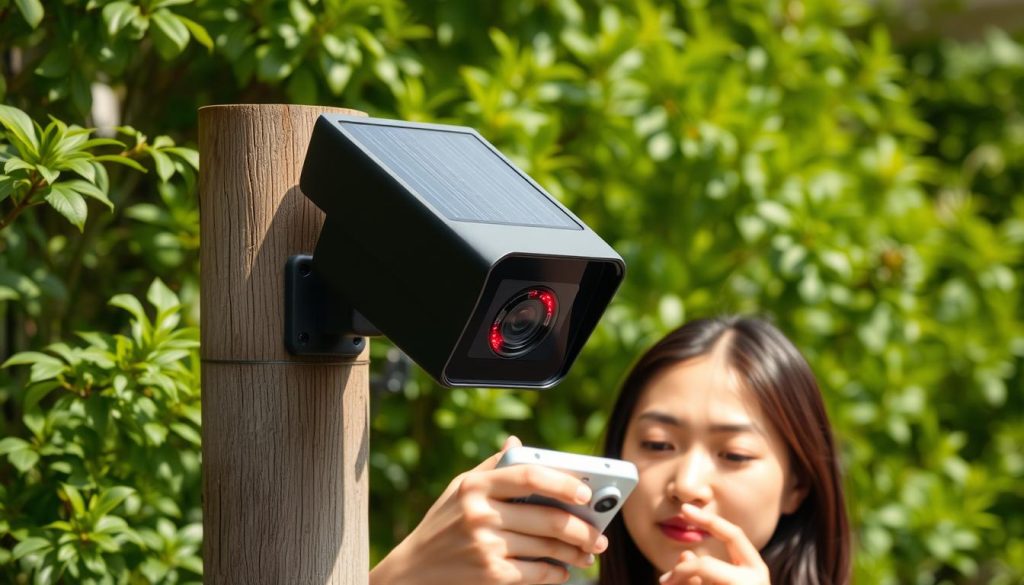
Overview and Features
SimpliSafe’s solar panel ensures continuous operation, even during power outages. The system boasts a 1536p resolution, providing clear visuals for your security needs. Its 5-minute setup process makes it accessible for users of all ages.
Customizable activity zones allow you to focus on specific areas, reducing false alerts. The encrypted monitoring ensures your data remains secure, giving you peace of mind.
Pros and Cons
One of the standout advantages is the no-contract policy, offering flexibility for users. The clear two-way audio enhances communication, while the theft replacement guarantee adds an extra layer of protection.
However, the system is limited to 1080p, which may not meet everyone’s expectations. Additionally, support is US-based, which could be a drawback for international users.
User Experience
SimpliSafe is particularly well-suited for elderly users due to its simplicity. Adhesive mounts make it easy to install on concrete walls, ensuring stability. Pairing it with SimpliSafe sensors creates a comprehensive monitoring system.
For optimal performance, position the solar panel to maximize sunlight exposure. This ensures the battery remains charged, providing uninterrupted security.
Best Solar-Powered Security Cameras for Singapore
Singapore’s unique climate demands reliable and energy-efficient monitoring solutions. With high humidity, frequent rains, and intense sunlight, choosing the right device is essential for consistent performance. Here’s what to consider when selecting a system tailored to Singapore’s environment.
Climate Considerations
Singapore’s tropical weather requires devices that can withstand harsh conditions. Look for UV-resistant housing to prevent damage from prolonged sun exposure. Monsoon-ready waterproofing, such as an IP68+ rating, ensures functionality during heavy rains.
For coastal areas, anti-corrosion coatings are crucial to maintain durability. These features ensure your system remains operational year-round, even in challenging environments.
Top Picks for Singaporean Homes
Several devices stand out for their ability to meet Singapore’s specific needs:
- Arlo Essential 2nd-gen: Offers the best resolution for clear visuals, ideal for detailed monitoring.
- Eufy S230: Features a built-in solar panel, eliminating the need for external accessories.
- Tapo C420S1: Provides 360° rotation for comprehensive coverage.
- Blink Outdoor 3: A budget-friendly option without compromising on essential features.
- Google Nest: Seamlessly integrates with smart home systems for enhanced convenience.
When installing your system, position the panel east-facing to maximize morning sunlight. Avoid shaded condo balconies and ensure a minimum height of 2 meters for landed properties. These tips will help optimize performance and ensure uninterrupted monitoring.
Installation Tips for Solar Security Cameras
Proper installation ensures your system operates at peak efficiency. Whether you’re setting up a new device or optimizing an existing one, these tips will help you get the most out of your setup.
Optimal Placement for Sunlight
To maximize energy absorption, position your solar panels at a 30°-45° angle. This ensures they capture the most sunlight throughout the day. Aim for 4-6 hours of direct exposure, avoiding shadows from nearby structures.
Use solar path calculators to determine the best placement. East-facing positions are ideal for morning sunlight, while avoiding north-facing installations ensures consistent performance.
Weatherproofing and Maintenance
Effective weatherproofing is essential for durability. Apply dielectric grease on connectors to prevent corrosion. Use conduit pipes for cable management and rust-proof stainless steel screws for mounting.
Regular maintenance keeps your system running smoothly. Clean the panels biweekly to remove dust and debris. Replace batteries every two years and update firmware via the app for optimal performance.
Comparing Solar Security Cameras: Which One is Right for You?
Choosing the right monitoring system can feel overwhelming with so many options available. From budget-friendly devices to premium models, each offers unique features and benefits. To simplify your decision, let’s compare the key aspects of popular systems.
Feature Comparison
When evaluating security cameras, resolution, alert response times, and app reliability are critical. Here’s a quick breakdown:
- Arlo Essential: 2K resolution, color night vision, and a 130° field of view.
- Google Nest: 1080p resolution, AI-powered alerts, and seamless smart home integration.
- Eufy S230: Built-in solar panel, 2K resolution, and local storage.
Price vs. Performance
Balancing cost and functionality is essential. Here’s a look at options across different price ranges:
- Budget Options: Blink Outdoor 3 ($70) and SEHMUA WiFi ($60) offer basic monitoring at an affordable price.
- Mid-Range: Tapo C420S1 ($160) and Eufy S230 ($130) provide enhanced features like higher resolution and local storage.
- Premium: ADT + Nest ($230+) and Arlo 5S Pro ($299) deliver top-tier performance with advanced AI and smart home compatibility.
Ultimately, the right choice depends on your specific needs and budget. Whether you prioritize price, performance, or unique features, there’s a system tailored for you.
Final Thoughts on Solar-Powered Security Cameras
Modern homes in Singapore are increasingly adopting eco-friendly monitoring solutions. With a 71% reduction in theft attempts reported by Ring, visible systems act as effective deterrents. Key brands like ADT offer seamless integration, while Arlo excels in DIY setups and Eufy provides ample local storage.
For Singapore’s humid climate, humidity protection and optimal panel angles are crucial. Positioning panels east-facing ensures maximum sunlight absorption. Long-term cost savings are significant, making these systems a smart investment for homeowners.
Professional installation is recommended for landed properties to ensure optimal performance. Emerging trends like 5G connectivity and AI analytics are shaping the future of security systems. When choosing a solar-powered security camera, balance your budget with essential features for the best results.
FAQ
What are the benefits of using a solar-powered security camera?
Solar-powered devices reduce energy costs, are eco-friendly, and provide reliable performance even during power outages. They are ideal for remote locations.
How does motion detection work in these devices?
Motion sensors detect movement within a set range and send alerts to your smartphone or email. Some models offer customizable sensitivity settings.
Can these cameras function in low-light conditions?
Yes, most models include night vision capabilities, often in color, to ensure clear footage even in complete darkness.
What is the average battery life for solar-powered cameras?
Battery life varies by model, but most can last several days on a full charge, with solar panels ensuring continuous power in sunny conditions.
Are these devices weatherproof?
Many are designed to withstand harsh weather, including rain, snow, and extreme temperatures, making them suitable for outdoor use.
How do I ensure optimal placement for solar panels?
Place panels in areas with maximum sunlight exposure, avoiding obstructions like trees or buildings. Adjust the angle for better efficiency.
Do these cameras support cloud storage?
Yes, many offer cloud storage options for video footage, though some may require a subscription for extended features.
Can I integrate these cameras with smart home systems?
Certain models, like Google Nest, seamlessly integrate with smart home ecosystems, allowing for enhanced automation and control.
What is the installation process like?
Installation is typically straightforward, with many brands offering DIY setups. Follow the manufacturer’s guidelines for optimal performance.
Are solar-powered cameras suitable for areas with limited sunlight?
While they perform best in sunny conditions, some models include backup batteries to ensure functionality during cloudy days.


