

Top Rated Best Outdoor Solar Security Cameras
Singapore’s residential areas are increasingly adopting sustainable solutions to meet their needs. With over 2,400 hours of sunshine annually, the country is ideal for energy-efficient systems that reduce reliance on traditional power sources. These devices not only help the environment but also provide reliable performance for monitoring homes and properties.
Leading brands like Reolink and Eufy have gained popularity for their high user ratings, often exceeding 4.5/5. These systems come with advanced features such as 4K resolution and extended battery life, ensuring uninterrupted operation. According to CNET’s 2025 testing, the Arlo Essential 2nd-gen stands out as a top performer in this category.
These systems are particularly useful for construction sites and remote monitoring, where wired setups may not be feasible. Local experts like ED Viston offer professional installation services, ensuring optimal performance. Additionally, users can enjoy up to 30% lower maintenance costs compared to traditional wired systems.
Key Takeaways
- Singapore’s abundant sunshine makes it ideal for energy-efficient systems.
- Brands like Reolink and Eufy are highly rated for their performance.
- Features include 4K resolution and long-lasting battery life.
- CNET’s testing highlights the Arlo Essential 2nd-gen as a top performer.
- These systems are perfect for construction sites and remote monitoring.
- Professional installation ensures optimal functionality.
- Maintenance costs are significantly lower compared to wired systems.
Why Solar-Powered Security Cameras Are a Game-Changer
Solar-powered security systems are transforming how homes stay protected. These devices combine sustainability with advanced technology, offering a reliable solution for modern needs. With Singapore’s abundant sunshine, they are an ideal choice for eco-conscious homeowners.
One of the standout benefits is their eco-friendly design. By reducing carbon footprints by up to 40%, they outperform traditional systems. Additionally, they eliminate wiring costs, which can range from S$150 to S$300 per installation. This makes them a cost-effective option for many households.
Eco-Friendly and Cost-Effective
Modern solar panels boast efficiency rates of up to 23%, ensuring maximum energy conversion. With 60W photovoltaic systems, these devices can operate 24/7, even during low-light conditions. A 7-day battery backup ensures uninterrupted performance, especially during monsoon seasons.
Regular maintenance, such as monthly panel cleaning, can boost efficiency by 25%. Brands like LS Vision offer a 10-year warranty on solar components, providing long-term reliability. Case studies show that landed properties can reduce utility bills by 30% with these systems.
- Government subsidies, like the BCA Green Mark, make these systems more accessible.
- An ROI analysis reveals an 18-month breakeven point, making them a smart investment.
By choosing solar-powered security, homeowners can enjoy sustainable and efficient protection while contributing to a greener future.
Key Features to Look for in Solar Security Cameras
Choosing the right home monitoring device involves understanding its key features and performance metrics. Modern systems offer a range of advanced functionalities that ensure reliability and efficiency. Here are the essential aspects to consider when selecting a device for your needs.
High-Resolution Video Quality
Video quality is a critical factor in home monitoring. Look for devices with a minimum of 1080p resolution, which ensures clear footage. For enhanced clarity, some models offer 4K options, ideal for tasks like license plate recognition.
Brands like Lorex and Eufy provide 4K and 3K resolutions, respectively. These higher resolutions deliver sharper images, even in challenging lighting conditions. Additionally, a wide field of view, ranging from 140° to 180°, ensures comprehensive coverage of your property.
Advanced Motion Detection
Motion detection technology has evolved significantly. Modern systems use AI-powered algorithms with accuracy rates of up to 98%. This minimizes false alerts and ensures you only receive notifications for relevant activity.
Devices with 5MP or 8MP sensors perform exceptionally well in low-light environments. This makes them suitable for monitoring during nighttime or in dimly lit areas. Some models also offer customizable detection zones, allowing you to focus on specific areas of interest.
Long Battery Life and Solar Efficiency
Battery life is a crucial consideration for uninterrupted operation. Lithium-ion batteries with over 2,500 charge cycles ensure long-term durability. Solar charging times typically range from 2 to 4 hours, providing enough power for a full day of use.
For tropical climates, look for devices with IP67 waterproof ratings. This ensures they can withstand heavy rain and humidity. Dual-band WiFi connectivity (2.4GHz/5GHz) further enhances reliability, offering stable connections for remote monitoring.
- Local vs Cloud Storage: Evaluate storage options, with cloud services costing between S$10 to S$50 monthly.
- Pan-Tilt-Zoom: Premium models include PTZ capabilities for flexible viewing angles.
Top Picks: Best Outdoor Solar Security Cameras in Singapore
With a variety of options available, selecting the right device for your needs can be challenging. Singapore’s market offers advanced systems that combine efficiency, affordability, and reliability. Here are some top picks that stand out for their performance and features.
Reolink Argus 3 Pro: Best Overall
The Reolink Argus 3 Pro is a top choice for its 2K resolution and 122° field of view. It features a 160-lumen spotlight and dual-band WiFi (5/2.4GHz) for stable connectivity. This device is ideal for those seeking high-quality video and reliable performance.
EufyCam 3: Best for Facial Recognition
EufyCam 3 excels with its 4K resolution and 8GB local storage. Its advanced human and vehicle detection ensures accurate alerts. This system is perfect for homeowners who prioritize facial recognition and detailed footage.
Wyze Battery Cam Pro: Best Budget Option
For those on a budget, the Wyze Battery Cam Pro offers 1080p resolution and a 300-lumen spotlight at an affordable price point of S$73.99. It’s a great option for cost-conscious buyers without compromising on essential features.
Other notable mentions include the TP-Link Tapo C420S1 with 360° rotation and the Blink Outdoor 3, which comes with a sync module. For cloud storage enthusiasts, the Google Nest Cam paired with the Wasserstein panel offers 3-hour free storage.
When choosing a device, consider factors like resolution, price, and warranty periods. Local distributors like Courts, Harvey Norman, and Challenger provide reliable support. Additionally, ensure the system can withstand Singapore’s heat, with operational capacities up to 45°C.
How Solar-Powered Cameras Work
Understanding the mechanics behind solar-powered cameras can help homeowners make informed decisions. These devices rely on advanced technology to convert sunlight into usable energy, ensuring continuous monitoring without relying on traditional power sources.
Harnessing Solar Energy for Continuous Monitoring
Solar-powered cameras use photovoltaic cells to capture sunlight and convert it into electricity. These cells come in two types: mono-crystalline and poly-crystalline. Mono-crystalline panels are more efficient, with rates up to 23%, while poly-crystalline panels are cost-effective but slightly less efficient.
The energy conversion process involves transforming direct current (DC) into alternating current (AC) to power the camera. This ensures the device operates seamlessly, even during low-light conditions. With 60W solar panels, these systems can generate enough energy for 24/7 operation.
During nighttime, the cameras consume only 10% of their daytime power usage, thanks to automatic power-saving modes. This ensures minimal energy waste and extends the system’s overall lifespan.
Battery Backup for Cloudy Days
Battery capacity plays a crucial role in maintaining uninterrupted performance. Most solar-powered cameras come with batteries ranging from 2000mAh to 10,000mAh. A 7-day battery backup ensures the system remains operational during extended periods of cloudy weather or monsoon seasons.
Even in low sunlight, these devices can maintain up to 60% operational capacity. Waterproof casings, meeting IP67 standards, protect the system from heavy rain and humidity, making them ideal for Singapore’s tropical climate.
For optimal performance, regular maintenance is essential. Adjusting the panel angle monthly can boost efficiency by 25%. Integration with home solar systems, like those from REC Solar, further enhances energy savings and reliability.
- Photovoltaic Cell Efficiency: Mono-crystalline vs poly-crystalline panels.
- Energy Conversion: DC to AC power flow for seamless operation.
- Battery Capacity: 2000mAh to 10,000mAh for extended backup.
- Cloudy Day Performance: 60% operational capacity in low sunlight.
- Maintenance Tips: Panel angle adjustment and waterproof casing checks.
Benefits of Solar Security Cameras for Homeowners
Homeowners are discovering the advantages of sustainable home monitoring solutions. These systems not only enhance safety but also offer significant cost savings and convenience. With Singapore’s sunny climate, solar-powered devices are an ideal choice for eco-conscious households.
Reduced Electricity Costs
One of the standout benefits is the reduction in electricity bills. By harnessing solar energy, these systems can save homeowners up to S$200 annually. Additionally, they eliminate the need for electrical wiring, cutting installation costs by 90%.
With no SCDF approval required for solar setups, the process is hassle-free. This makes it a practical option for both HDB flats and landed properties. Over time, the savings add up, making it a smart investment for any home.
Easy Installation and Low Maintenance
Installation is straightforward, with an 80% DIY success rate. Basic models can be set up in just 15 minutes, thanks to tool-free mounting systems. Options include magnetic or screw-on designs, catering to different preferences.
Maintenance is minimal, with an average cycle of 3 years compared to 6 months for wired systems. Features like remote firmware updates and anti-theft mechanisms, such as Kensington locks and GPS tracking, ensure long-term reliability.
For added convenience, ultrasonic deterrents prevent bird nests, and HDB-friendly designs stay under the 2kg weight limit. These features make solar-powered systems a practical and user-friendly choice for any household.
- 90% reduction in electrical wiring costs
- No SCDF approval required for solar installations
- Tool-free mounting systems (magnetic vs screw-on)
- 15-minute average setup time for basic models
- Remote firmware updates via manufacturer apps
- Anti-theft mechanisms (Kensington locks, GPS tracking)
- Bird nest prevention: ultrasonic deterrent features
- HDB-friendly designs under 2kg weight limit
- 3-year average maintenance cycle vs 6 months for wired
- Neighborhood security improvement case studies
Comparing Solar Security Camera Systems
When deciding on a monitoring system, comparing different options ensures you find the right fit for your needs. Whether you prioritize advanced features or affordability, understanding the differences between brands and models is essential.
Reolink vs. Eufy: Which One Fits Your Needs?
Reolink and Eufy are two leading brands, each offering unique advantages. Reolink is known for its high-resolution options, with models like the Argus 3 Pro delivering 2K video quality. This makes it ideal for detailed monitoring, especially in larger spaces.
Eufy, on the other hand, excels in smart features like facial recognition and local storage. Its 4K resolution ensures crystal-clear footage, perfect for homeowners who value detailed visuals. Both brands integrate seamlessly with smart home systems, offering convenience and flexibility.
Budget-Friendly Options vs. Premium Models
For those on a budget, Wyze Battery Cam Pro provides 1080p resolution at an affordable price of S$73.99. It’s a great entry-level option without compromising on essential features. Mid-range models, like Lorex, offer 4K resolution at S$199.99, balancing cost and performance.
Premium models, such as EufyCam 3, come with advanced features like 8GB local storage and human detection. These systems are ideal for users seeking top-tier performance and reliability. Choosing the right system depends on your specific needs and budget.
- Entry-level (S$60-S$150): Basic features, ideal for small spaces.
- Mid-range (S$151-S$300): Enhanced resolution and smart features.
- Premium (S$301+): Advanced capabilities and long-term reliability.
- Brand reliability scores: ADT, Lorex, and Ring score 9.2/10.
- Subscription costs: Arlo Secure vs Eufy Basic plans.
- Warranty comparisons: 1-year vs 3-year coverage.
- Singapore-specific after-sales support networks.
- Heat dissipation performance in rooftop installations.
- Data security: AES-256 encryption standards.
- Smart home integration: Alexa and Google Home compatibility.
- Group buy discounts for condo developments.
- Refurbished market risks and recommendations.
For professional installation and expert advice, consider ED Viston’s services. Their team ensures optimal setup and performance for your chosen system.
Installation Tips for Solar Security Cameras
Proper installation ensures your system performs at its peak efficiency. Whether you’re setting up a new device or upgrading an existing one, following the right steps can make all the difference. Here’s how to get started.
Choosing the Right Location for Maximum Sunlight
To maximize energy efficiency, position your solar panel where it receives at least 6 hours of direct sunlight daily. In Singapore, a NE-SW orientation works best, as it aligns with the sun’s path. Use tools like the Sun Surveyor app to analyze sunlight patterns in your area.
Height is another critical factor. Mount the panel between 2.5m to 4m above the ground to avoid obstructions. Avoid areas with potential shade from trees or buildings, as they can reduce efficiency. Anti-glare positioning is also essential for clear footage, especially for license plate capture.
Step-by-Step Installation Guide
Start by gathering your tools: a drill, spirit level, and silicone sealant. These will help secure the panel and ensure it’s properly aligned. For HDB façades, consider cable management solutions to keep wires tidy and protected.
Once the panel is mounted, pair the device with its mobile app. Follow the 5-step guide provided by the manufacturer to complete the setup. Test the signal strength to ensure it meets the minimum 2-bar requirement for stable connectivity.
Common mistakes include overlooking tree growth patterns and failing to adjust the panel angle. For optimal performance, set the angle between 30° to 45°. Regular maintenance, such as cleaning the panel, can further boost efficiency.
- NE-SW orientation aligns with Singapore’s sun path.
- Mount height: 2.5m to 4m for unobstructed sunlight.
- Use the Sun Surveyor app for sunlight analysis.
- Anti-glare positioning ensures clear footage.
- Tools checklist: drill, spirit level, silicone sealant.
- Pair the device with its mobile app for setup.
- Test signal strength for stable connectivity.
- Adjust panel angle to 30°-45° for maximum efficiency.
For those unsure about DIY setups, professional installation services are available. While DIY costs are lower, professionals ensure optimal placement and performance. Choose the option that best suits your needs and budget.
Solar Cameras for Different Use Cases
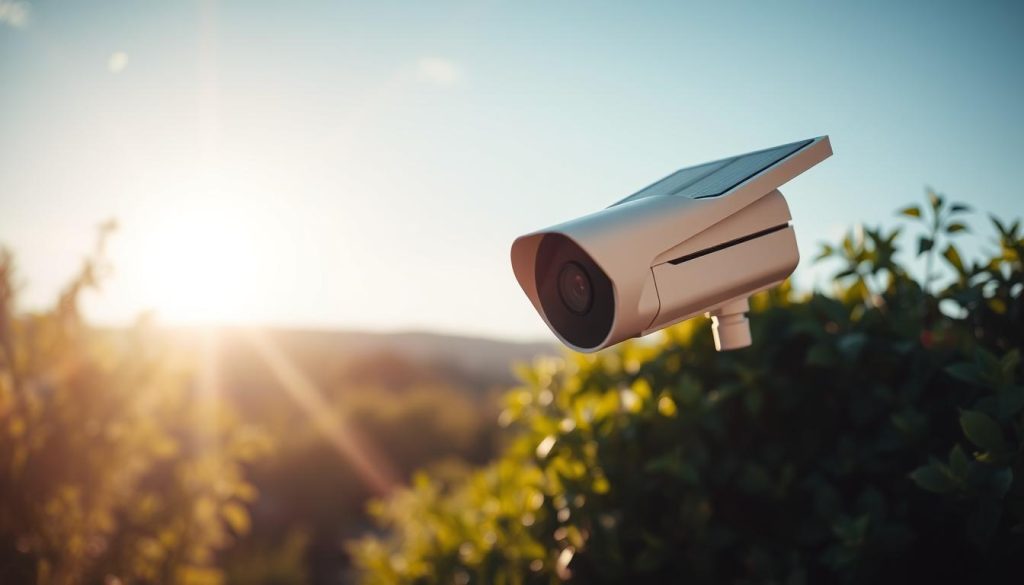
Modern technology has expanded the use of energy-efficient devices across various industries. These systems are designed to meet specific needs, offering reliable performance in diverse environments. Whether for residential, commercial, or remote applications, they provide a sustainable solution for monitoring spaces.
Home Security
For homeowners, these devices offer enhanced security with features like integration with smart door locks. This ensures seamless control and monitoring of your property. With high-resolution video quality, you can capture clear footage, even in low-light conditions.
Advanced motion detection minimizes false alerts, ensuring you only receive notifications for relevant activity. Additionally, long battery life and efficient energy conversion make these systems a practical choice for residential use.
Construction Sites and Remote Areas
In remote locations, these devices excel with features like 20X zoom capability and LTE connectivity. This ensures comprehensive coverage, even in hard-to-reach areas. For construction sites, 360° monitoring solutions provide real-time updates on job progress and safety.
Temporary setups, such as pop-up packages, are ideal for short-term projects. Corrosion-resistant models are perfect for coastal or marine environments, ensuring durability in harsh conditions. Custom motion zones allow for wildlife detection, making them versatile for agricultural use.
- Residential: Integration with smart door locks for seamless control.
- Commercial: 360° jobsite monitoring for real-time updates.
- Agricultural: Livestock monitoring configurations for farm use.
- Marine: Corrosion-resistant models for coastal areas.
- Temporary Setups: Pop-up packages for short-term projects.
- Wildlife Detection: Custom motion zones for versatile use.
- Multi-Camera Discounts: Save 10% on 3+ units.
- Anti-Vandalism Ratings: IK10 standards for durability.
- Data Usage: 100GB/month for 4K video streaming.
- URA Compliance: Guidelines for public space installations.
By choosing the right system, you can ensure reliable monitoring tailored to your specific needs. Whether for home, work, or remote areas, these devices offer a sustainable and efficient solution.
Understanding the Technology Behind Solar Cameras
The technology behind solar-powered devices is advancing rapidly, offering more efficient and reliable solutions. These systems rely on innovative components to convert sunlight into usable energy and ensure seamless connectivity. Understanding how these elements work can help users make informed decisions about their home monitoring needs.
Photovoltaic Panels and Energy Conversion
At the core of these systems are photovoltaic panels, which capture sunlight and convert it into electricity. Modern panels achieve up to 23% efficiency, ensuring maximum energy conversion. Two common types are mono PERC and polycrystalline panels, each with distinct advantages.
Mono PERC panels are more efficient, making them ideal for areas with limited sunlight. Polycrystalline panels, on the other hand, are cost-effective and suitable for larger installations. The energy conversion process involves transforming direct current (DC) into alternating current (AC) to power the device.
Charge controllers like MPPT and PWM regulate this process, ensuring optimal performance. MPPT controllers are more efficient, while PWM controllers are budget-friendly. Smart energy allocation algorithms further enhance system efficiency by distributing power based on usage needs.
WiFi and Cellular Connectivity Options
Connectivity is another critical aspect of these systems. WiFi 6 compatibility ensures future-proofing for 8K video streaming, while 4G fallback options provide reliability in areas with weak WiFi signals. Local providers like Singtel and M1 offer SIM plans tailored for these devices.
Data encryption protocols like WPA3 ensure secure connections, protecting your footage from unauthorized access. Graphene cooling systems prevent overheating, even in Singapore’s tropical climate. Dual-power input models, combining solar and USB-C, offer flexibility for various setups.
Rain sensor auto-tilt technology adjusts panel angles during heavy rain, maintaining efficiency. Recycling programs for expired panels promote sustainability, ensuring eco-friendly disposal.
- Mono PERC vs polycrystalline panel comparisons
- MPPT vs PWM charge controller differences
- WiFi 6 compatibility for 8K future-proofing
- 4G fallback options (Singtel/M1 SIM plans)
- Data encryption: WPA3 vs WPA2 protocols
- Heat dissipation: Graphene cooling systems
- Smart energy allocation algorithms
- Dual-power input (solar + USB-C) models
- Rain sensor auto-tilt technology
- Recycling programs for expired panels
For more details on solar-powered systems, explore professional installation services that ensure optimal performance and reliability.
Top Brands in the Solar Security Camera Market
The market for energy-efficient monitoring devices is dominated by a few key players. These brands are known for their innovation, reliability, and user-friendly designs. Understanding their strengths can help you choose the right system for your needs.
Reolink: Innovation and Reliability
Reolink is a leader in the industry, with a security score of 9.6/10. Known for its cutting-edge technology, the brand offers devices with high resolution and advanced features. Its Starlight sensors ensure clear footage even in low-light conditions, making it a top choice for homeowners.
Reolink invests 5% of its revenue in R&D, ensuring continuous improvement. The brand also provides Singapore-specific firmware adaptations, ensuring compatibility with local networks. With three service centers in Singapore, customers can rely on prompt support.
Eufy: Smart Features and User-Friendly Design
Eufy stands out for its smart features and ease of use. Its devices come with 8GB local storage, eliminating the need for monthly subscriptions. The Color Night Vision feature provides detailed footage, even in complete darkness.
With an 8% R&D investment, Eufy focuses on enhancing user experience. The brand’s app has an average rating of 4.6, reflecting its reliability. Two local service centers ensure quick assistance for customers in Singapore.
- Market Share: Reolink (34%), Eufy (28%), Arlo (22%)
- Proprietary Tech: Starlight sensors vs Color Night Vision
- Bulk Purchase Programs: Discounts for property managers
- Trade-In Deals: Upgrade old systems with ease
- Custom Engraving: Ideal for commercial clients
- Recall History: Quick resolution timelines for any issues
Both brands offer quality and options tailored to different needs. Whether you prioritize innovation or user-friendly designs, these brands deliver reliable solutions for home monitoring.
How to Choose the Best Solar Camera for Your Home
Selecting the right energy-efficient monitoring system requires careful consideration of your specific needs. With a wide range of devices available, understanding your priorities can simplify the process. Whether you’re looking for advanced features or affordability, this guide will help you make an informed decision.
Assessing Your Security Needs
Start by evaluating your property’s vulnerabilities. Identify entry points and blind spots that require coverage. For multi-story homes, consider systems with wide-angle lenses to ensure comprehensive monitoring.
Lighting conditions also play a crucial role. If your area has low light, opt for devices with color night vision. For well-lit spaces, infrared (IR) options may suffice. Additionally, decide whether you prefer hidden or visible setups to deter potential intruders.
Budget Considerations
Energy-efficient systems come in a range of prices, from S$59.99 to S$799.99. While it’s tempting to go for the cheapest option, consider the total cost of ownership. This includes maintenance, potential upgrades, and energy savings over time.
Financing options, such as 0% installment plans, can make premium models more accessible. Seasonal promotions during events like the Great Singapore Sale (GSS) or 11.11 sales also offer significant discounts. For those on a tight budget, demo units at Funan Mall provide a cost-effective way to test devices before purchasing.
- Security audit checklist: Identify entry points and blind spots.
- Lighting analysis: Choose IR or color night vision based on your environment.
- Multi-story vs apartment: Tailor your system to your property type.
- Hidden vs visible: Decide on a deterrent approach.
- Total cost of ownership: Calculate expenses over 5 years.
- Financing options: Explore 0% installment plans.
- Insurance benefits: Reduce premiums with a reliable system.
- Best value picks: Find options under S$100, S$200, or S$300.
- Seasonal promotions: Take advantage of GSS and 11.11 sales.
- Demo units: Test devices at Funan Mall before buying.
By carefully assessing your needs and budget, you can find a system that offers both reliability and value. Whether you prioritize advanced features or affordability, there’s an option that fits your requirements.
Enhance Your Home Security with Solar-Powered Cameras
Upgrading your home’s protection with eco-friendly technology is a smart move for modern living. With over 640 Singapore user reviews averaging 4.5/5, these systems are proven to deliver reliable performance. When choosing a device, consider your budget, desired features, and scalability for future needs.
Emerging trends like AI analytics integration are making these systems even smarter. Government initiatives such as SGSecure and community solar programs for HDB clusters are also driving adoption. The market is projected to grow at a 15% CAGR over the next five years, reflecting increasing demand.
Case studies, like the 60% crime reduction in Tampines, highlight their effectiveness. For long-term value, explore warranty extensions and disaster recovery protocols. Upgrading every 3-5 years ensures you stay ahead with the latest technology.
Before purchasing, use a final checklist to assess compatibility, installation requirements, and energy efficiency. With the right system, you can enjoy peace of mind while contributing to a greener future.
FAQ
How do solar-powered cameras work?
These devices use photovoltaic panels to convert sunlight into energy, which powers the camera and charges its battery. This ensures continuous monitoring even during cloudy days.
What features should I look for in a solar camera?
Prioritize high-resolution video, advanced motion detection, and long battery life. These features ensure reliable performance and clear footage.
Are solar cameras cost-effective?
Yes, they reduce electricity costs and require minimal maintenance, making them a budget-friendly option for long-term use.
Can solar cameras work at night?
Absolutely. Most models come with night vision capabilities, and some even offer color night vision for clearer footage in low-light conditions.
How do I install a solar-powered camera?
Choose a location with maximum sunlight exposure, mount the camera securely, and connect it to your home network. Many models are designed for easy installation.
What are the benefits of using solar cameras for home security?
They provide eco-friendly, reliable monitoring, reduce energy costs, and are easy to install and maintain.
Which brands are known for quality solar cameras?
Reolink and Eufy are top brands, offering innovative features, reliability, and user-friendly designs.
Do solar cameras require WiFi?
Most models use WiFi for connectivity, but some also offer cellular options for remote areas without internet access.
How long do solar camera batteries last?
With efficient solar panels, batteries can last for several days, even with continuous use. Backup options ensure functionality during extended cloudy periods.
Are solar cameras suitable for remote areas?
Yes, their self-sustaining design makes them ideal for construction sites, farms, and other remote locations without access to power sources.


