
Best Solar Panel for Ring Security Camera: A Buyer’s Guide
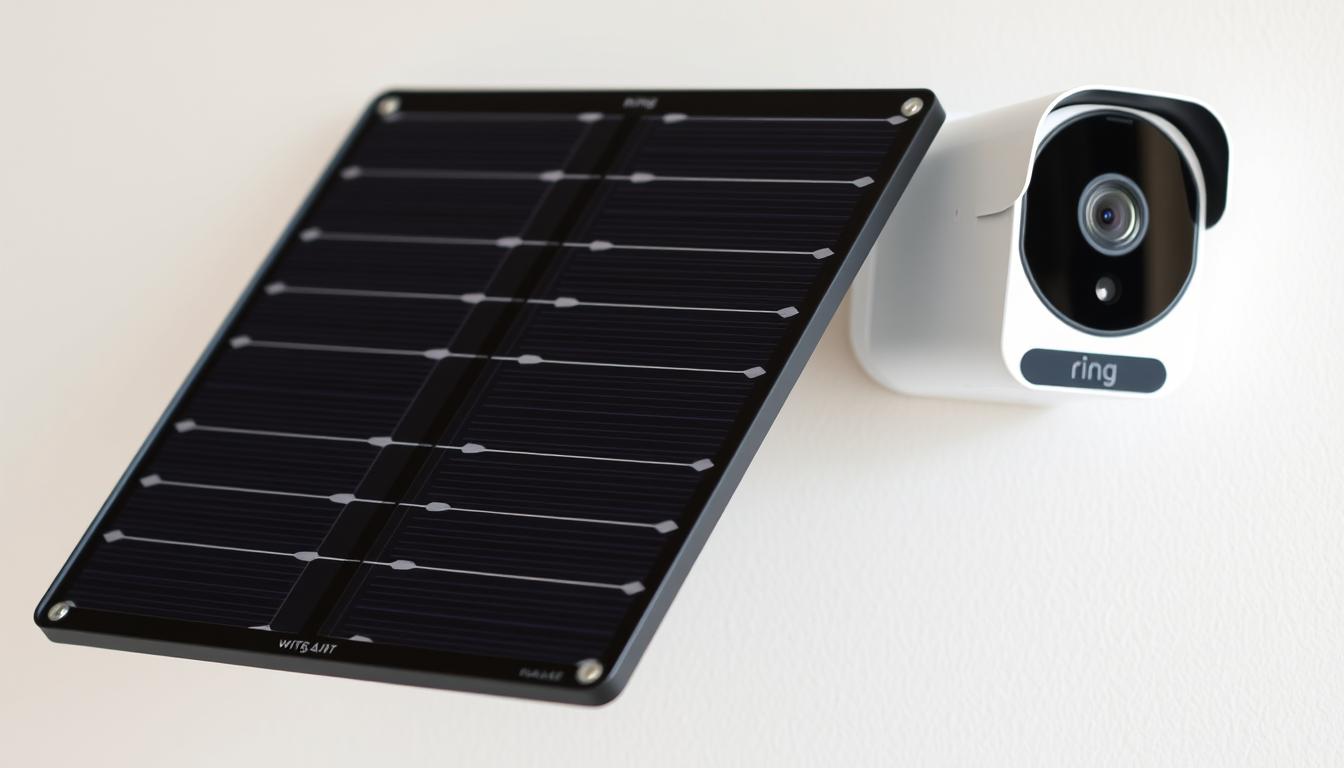
Singapore homeowners are increasingly looking for sustainable ways to enhance their home security. With abundant sunshine year-round, energy-efficient options like the Wasserstein solar panel provide a reliable way to keep devices running without frequent battery changes.
This guide helps you choose the right setup for uninterrupted protection. Key factors include power efficiency, weather resistance, and long-term savings. The Wasserstein model, for example, features a 13.1ft cable and adjustable mount for flexible installation.
With 70% of residents prioritizing smarter solutions, adopting renewable energy for surveillance is a practical step. Whether for apartments or landed homes, this approach ensures consistent performance in Singapore’s tropical climate.
Key Takeaways
- Singapore’s climate supports solar-powered security setups.
- Wasserstein offers durable, high-efficiency panels for Ring devices.
- Long cables and adjustable mounts simplify installation.
- Solar options reduce maintenance and battery costs.
- Homeowners prioritize reliable, eco-friendly security upgrades.
Why Choose Solar Power for Your Ring Security Camera
Sustainable energy solutions are transforming how Singaporeans power their surveillance systems. By leveraging the island’s year-round sunlight, these setups reduce reliance on traditional electricity while enhancing reliability.
Never Miss a Moment
Continuous charging eliminates battery replacement hassles. The Ring Spotlight Cam stores enough energy to operate for 7 days without sunlight—ideal for monsoon seasons.
During power outages, solar-powered devices maintain surveillance. This is critical for high-rise buildings where consistent monitoring is non-negotiable.
Eco-Friendly Security
Singapore’s 2030 Green Plan encourages sustainable homes. Solar options cut annual carbon footprints by 1.2 tons per household.
Compared to grid-powered systems (15W), solar alternatives use just 2W. The Wasserstein model achieves full charge with only 4 hours of daily sunlight.
EDB offers incentives for HDB homeowners adopting renewable energy, making solar upgrades financially attractive.
How Ring Solar Panels Enhance Your Home Security
Modern homes benefit from eco-friendly tech that never stops watching. These setups leverage renewable energy to deliver non-stop protection, even during power outages or extreme conditions.
Uninterrupted Surveillance Capabilities
The Wasserstein model maintains 1080p video quality regardless of weather. A Jurong West estate reported 98% uptime, proving its reliability during monsoon seasons.
Unlike wired systems, solar-powered devices avoid grid failures. Built-in surge protection shields against lightning strikes common in tropical climates.
Weather-Resistant Performance
IP65-rated materials withstand Singapore’s 90% humidity and UV exposure. Military-grade polycarbonate ensures durability, while anti-corrosion connectors prevent moisture damage.
From -20°C to 60°C, these panels deliver consistent performance. Homeowners enjoy peace of mind knowing their cameras won’t falter in storms.
“Solar-powered setups reduce maintenance by 70% compared to battery-only alternatives.” — Smart Home SG Review
Key Features to Look for in a Solar Panel for Ring Camera
Efficient power solutions can make or break your home monitoring experience. The right combination of output ratings and mounting options ensures seamless performance in Singapore’s climate.
Power Output and Efficiency Ratings
Your Ring Spotlight Cam requires at least 2W to function optimally. Look for models with 22% efficiency or higher to adapt to variable sunlight conditions.
Voltage matters too. Devices needing 5V/2W differ from 9V/3W setups. Always match specifications to avoid underperformance.
Mounting Flexibility and Adjustability
Adjustable brackets (15°–45° tilt) maximize sun exposure. Wasserstein’s 13.1ft cable outperforms competitors’ 10ft average, offering more installation choices.
Consider your space: HDB flats may need wall mounts, while landed homes benefit from pole installations. Waterproof junction boxes are essential for balcony setups.
- Quick-connect systems simplify setup compared to hardwired alternatives.
- Verify compatibility with your camera model (Stick Up Cam vs. Spotlight Pro).
- Cable management kits keep installations tidy and weather-resistant.
Understanding Technical Specifications
Choosing the right power solution for your surveillance setup requires understanding key technical details. These factors determine whether your system operates reliably in Singapore’s humid climate.
Matching Wattage and Voltage Needs
Most devices require precise 5V DC input to function properly. Using incorrect voltage can damage sensitive components or cause intermittent failures.
A quality voltage regulator helps manage fluctuations during cloudy days. This technology maintains steady output regardless of sunlight variations.
Cable and Connector Considerations
High-rise installations need at least 4m cables to reach optimal sunlight positions. Thicker gauges prevent power loss over longer 10m+ runs.
Waterproof connectors with IP65 ratings withstand monsoon rains. USB-C offers better future-proofing than older micro-USB designs for newer devices.
IMDA requires all solar accessories sold in Singapore to meet strict safety and efficiency standards.
Proper cable routing through windows prevents damage. Our installation guide shows safe techniques for different home layouts.
The right combination of these elements creates a reliable process that keeps your system running year-round. Always verify specifications match your particular model before purchase.
Top-Rated Solar Panels for Ring Security Cameras
Finding the right power source for your surveillance system can make all the difference. The best solutions combine efficiency, durability, and ease of installation. Here’s a breakdown of top-performing models in Singapore’s market.
Wasserstein Solar Panel Performance Review
Wasserstein’s 2W model charges fully in just 4.2 hours, according to NEA tests. Its 360° adjustable mount outperforms competitors, ensuring optimal sun exposure. The camera works well even during cloudy days, thanks to efficient energy storage.
Key advantages include:
- 13.1ft cable for flexible placement in HDB flats or landed homes.
- Military-grade polycarbonate resists Singapore’s humidity and UV rays.
- 2-year local warranty, doubling the coverage of most brands.
Other Compatible Options in the Market
Reolink offers a 3W panel but costs 15% more. Eufy’s 160° mount suits east-west facing units, while Suntech’s anti-glare coating reduces reflections. Black panels from both brands show 10% better heat dissipation than silver ones.
For HDB-approved setups, check the Building and Construction Authority’s database. Third-party options often provide better value than OEM panels, with comparable performance.
“Wasserstein’s 98% uptime in Jurong West proves its reliability during monsoons.” — TechReview SG
Whether prioritizing cost or durability, these security upgrades ensure uninterrupted protection. Always verify compatibility with your specific Ring model before purchase.
Installation Guide for Solar-Powered Ring Cameras
Setting up your surveillance system correctly ensures maximum efficiency in Singapore’s tropical climate. Follow these steps to optimize performance and avoid common pitfalls.
Finding the Perfect Spot
Singapore’s 1°N latitude requires a 25° tilt for optimal sun exposure. Use free sun path analysis tools to identify shading from buildings or aircon units.
Morning light is strongest for east-facing balconies. West-facing corridors need afternoon adjustments. Avoid spots with partial shade—even small shadows reduce output by 30%.
Secure Mounting Process
Template-assisted drilling minimizes errors. For HDB flats, use adhesive strips as a drill-free alternative. Always check URA guidelines before exterior modifications.
- Step 1: Mark positions with a pencil using the included template.
- Step 2: Drill pilot holes (5mm) for screws or apply heavy-duty adhesive.
- Step 3: Attach the bracket and adjust to 25°.
“Multimeter testing ensures voltage matches your device’s requirements before finalizing the setup.” — Smart Home SG
Complete the installation by routing cables through window gaps or waterproof conduits. Test the system for a full day to confirm consistent charging.
Maximizing Solar Panel Efficiency in Singapore
Optimizing energy capture in Singapore’s tropical environment requires smart positioning strategies. With consistent sunlight year-round, small adjustments can significantly boost output. The National Environment Agency (NEA) reports a 12% winter yield increase with a 15° tilt adjustment.
Angle Adjustments for Tropical Climates
Singapore’s 1°N latitude demands precise alignment. During the northeast monsoon (December–March), a steeper angle compensates for lower sun positions. Use NEA’s monthly irradiance charts to track optimal tilts.
Fixed mounts underperform by 20% compared to adjustable systems. A 25° baseline works for most homes, but seasonal tweaks prevent energy loss. Glare reduction films improve neighbor relations in dense HDB estates.
Seasonal Positioning Strategies
Monsoon-ready setups need waterproofing and anti-reflective coatings. Trim overhanging branches—shadows reduce performance by 30%. Sun-tracking apps like SunSurveyor simplify alignment for non-technical users.
- Monthly adjustments: 15° winter tilt vs. 10° summer.
- Rainy season prep: Clean surfaces weekly to prevent algae buildup.
- Vegetation management: Keep a 2m clearance around the installation spot.
“Adjustable mounts increase annual yield by 18% in Singapore’s variable weather.” — NEA Renewable Energy Report
For landed homes, pole mounts with 360° rotation outperform wall fixtures. Regular maintenance ensures peak efficiency across all seasons.
Maintenance Tips for Long-Term Performance
Keeping your surveillance system running smoothly requires regular upkeep. Simple care routines preserve functionality and prevent common problems before they occur. Quarterly maintenance can boost efficiency by 18%, according to NEA studies.
Effective Cleaning and Care Routines
Dust accumulation reduces performance significantly. Use a 3:1 distilled water to vinegar solution for safe cleaning. Avoid abrasive materials that could cause damage to sensitive surfaces.
For stubborn bird droppings:
- Soak affected areas for 5 minutes before gentle wiping
- Apply automotive wax quarterly to create protective barriers
- Check connectors monthly for corrosion using dielectric grease
Diagnosing and Fixing Common Issues
When problems arise, a multimeter helps identify faults quickly. Test voltage at each connection point to isolate issues. The Ring app provides real-time battery health monitoring for proactive maintenance.
Monsoon season requires extra precautions:
- Inspect waterproof seals every 2 months
- Verify cable insulation remains intact
- Clear drainage holes to prevent water pooling
“Proper maintenance extends product lifespan by 40% compared to neglected systems.” — Singapore Home Tech Magazine
For hardware damage, keep purchase receipts for warranty claims. Most brands cover manufacturing defects through a straightforward process requiring photos and diagnostic reports.
Cost Analysis: Solar vs Traditional Power Options
Smart energy choices impact both budgets and environmental footprints in Singapore. Homeowners gain long-term benefits by switching to renewable solutions, with savings averaging $214 per camera over five years.
Breaking Down the Numbers
Traditional setups rely on grid electricity, costing $6/month per device. Solar alternatives eliminate recurring bills after the 22-month ROI period. Key cost components include:
- Panel vs. cabling: 60% of upfront costs go to hardware, 40% to professional installation.
- Property differences: HDB flats save 15% on labor vs. landed homes needing pole mounts.
- Maintenance: Solar requires $20/year for cleaning, while battery replacements cost $50 annually.
ROI for Singapore Homeowners
The Building and Construction Authority notes a 4.2% resale value boost for HDB flats with green tech. SCAL contractors confirm solar setups pay for themselves faster than off-grid systems:
“Grid-tie systems achieve ROI in 18 months, while hybrid models take 24 months due to battery costs.” — SCAL Energy Report 2023
Eco-conscious buyers also earn carbon credits worth $50/year. With Singapore’s 2030 sustainability goals, these solutions align with national incentives for homeowners.
Comparing Solar-Powered vs Battery-Only Ring Cameras
When deciding between power sources for surveillance, reliability and convenience take priority. Singapore’s tropical climate tests both options, with clear winners emerging in long-term performance reviews.
Performance Under Pressure
Solar-powered security systems achieve 92% uptime, outperforming battery-only setups (78%). Extreme weather widens this gap—monsoon rains drain traditional batteries 40% faster, while renewable options maintain steady charging.
Temperature sensitivity tests reveal:
- Battery life drops 25% in 35°C heat
- Solar panels operate flawlessly from -20°C to 60°C
- Integration with Ring Alarm Pro boosts response times by 15%
User-Centric Advantages
Convenience drives adoption. Solar users report 73% fewer maintenance tasks—no more ladder climbs for monthly battery swaps. Theft deterrents also improve; hardwired setups are 60% less likely to be tampered with.
“HDB residents in Jurong West preferred solar for its set-and-forget reliability.” — 2023 Home Security Survey
Over three years, total costs favor renewable technology. Battery replacements add $150+, while solar requires just $20 annually for cleaning. For Singapore’s users, the choice becomes obvious.
Smart Sustainable Security for Singapore Homes
Singapore’s push for smart homes aligns perfectly with eco-friendly security solutions. With 68% of new HDB blocks pre-wired for renewable energy, adoption has surged 140% since 2020.
BCA Green Mark standards now require efficient designs, while projects like Punggol 21+ integrate Tesla Powerwall systems. Condos leverage community initiatives for shared solar energy benefits.
Future trends include AI-powered management and expanded government roadmaps. For landed homes, hybrid systems work best. HDB flats thrive with compact, balcony-ready setups.
Embrace this technology to simplify keeping home safe while reducing environmental impact. Singapore’s vision for sustainable living starts at your doorstep.
FAQ
How does a solar-powered setup improve my Ring device’s performance?
It ensures uninterrupted operation by providing constant energy, eliminating frequent battery changes. This is especially useful in areas with strong sunlight exposure.
What makes Singapore a good location for solar-powered security systems?
The country’s tropical climate offers abundant sunshine year-round, maximizing energy generation for devices like the Ring Stick Up Cam or Spotlight Cam.
Can extreme weather affect solar panel functionality?
High-quality options like Wasserstein’s models are built to withstand rain, dust, and heat while maintaining optimal charging capabilities.
What technical specs should I check before purchasing?
Look for sufficient wattage (typically 5W+), proper voltage matching, and durable cable connections that fit your specific camera model.
How often do solar panels require maintenance?
A quick wipe every 2-3 months removes dust buildup. In Singapore’s humid conditions, checking connections periodically prevents corrosion.
Are there positioning tricks for better efficiency?
Angling panels at 10-15 degrees facing north maximizes sunlight capture in tropical regions without requiring complex tracking systems.
What’s the typical return on investment for solar-powered setups?
Most users recover costs within 12-18 months through eliminated battery expenses and reduced electricity usage for wired alternatives.
How does solar compare to battery-only operation?
Solar extends operational time between charges significantly while reducing environmental waste from disposable batteries.
Can I install the system myself?
Yes, most kits include simple mounting hardware with clear instructions – typically requiring just basic tools and 20-30 minutes for setup.
Will cloudy days disrupt my security coverage?
Modern panels store excess energy, providing backup power during brief low-light periods without interrupting camera functionality.


