
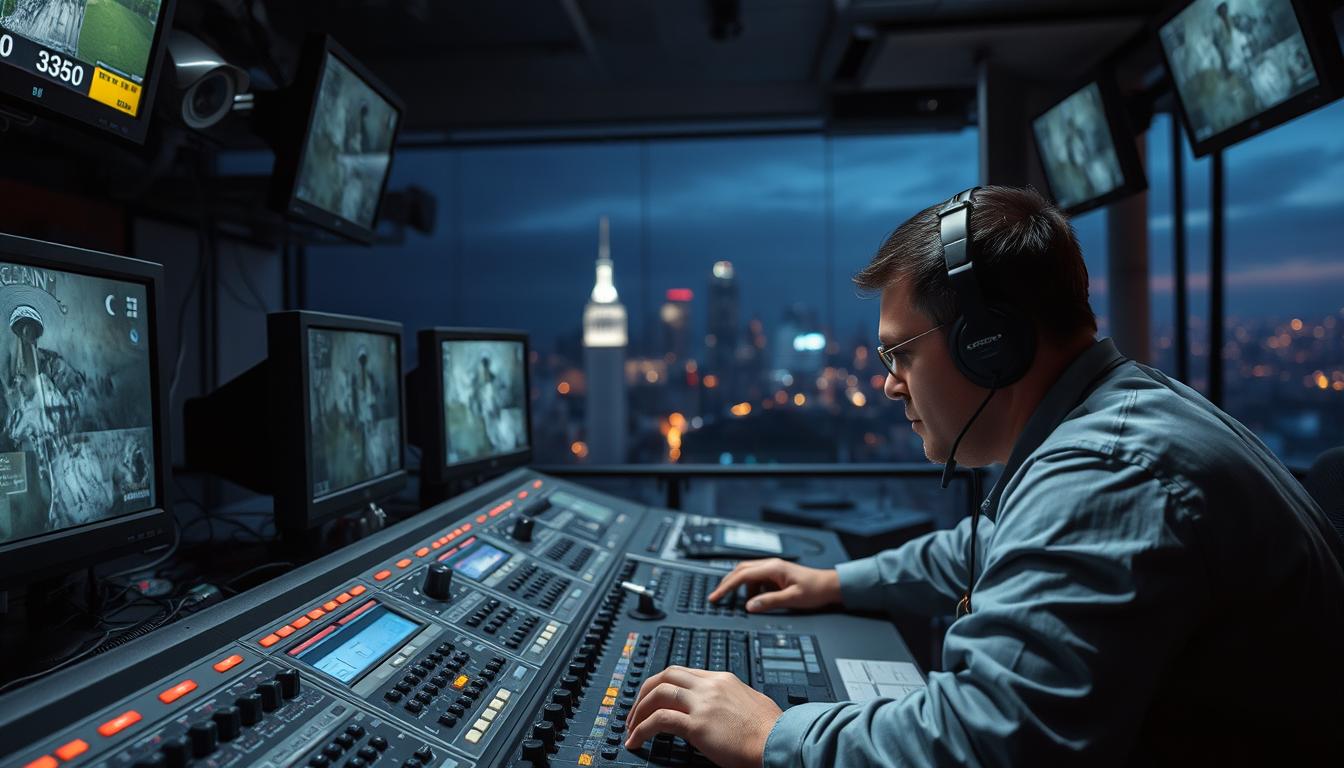
Are CCTV cameras always recording?
Many businesses and homeowners wonder if CCTV cameras are always on. They rely on these systems for safety and security. Knowing how CCTV cameras work is key to their effectiveness.
Most CCTV systems need power to record. If a camera is turned off, it stops recording. This raises questions about what happens during power outages or system failures.
This information is important for improving security in different places.
Key Takeaways
- CCTV cameras typically need power to record consistently.
- When turned off, CCTV systems cease all recording activities.
- Understanding recording capabilities is vital for effective surveillance.
- Malfunctions can disrupt recording, necessitating reliable systems.
- Constant recording behavior varies between different camera models.
Understanding CCTV Camera Functionality
CCTV technology is key in boosting security in many places. These cameras offer a solid way to watch over important areas. They help prevent crimes and quickly respond to emergencies. Knowing how they work shows their value and what they can do.
Importance of CCTV in Surveillance
CCTV systems are vital for today’s surveillance needs. They record video that helps keep places and people safe. Just having these cameras can make a community or workplace safer.
Key Features of CCTV Cameras
Several important features make CCTV cameras effective:
- High-definition recording: This ensures clear video for easy identification.
- Motion detection capabilities: Cameras turn on when they see movement, capturing key moments.
- Remote viewing options: Users can watch live feeds on their phones or computers, improving monitoring.
- Storage solutions: Using NVRs helps manage and protect recorded videos efficiently.
How Do CCTV Cameras Work?
CCTV systems use different ways to watch over areas. Knowing how they work helps in setting them up right. Many parts are key to making CCTV systems work well.
Power Sources for CCTV Systems
CCTV cameras get power in a few ways. They can be wired, which keeps them going, or use batteries for wireless setups. When power goes out, things like UPS and rechargeable batteries help keep the system running. This keeps the watch going without a hitch.
Importance of Lighting and Night Vision
Good lighting is key for watching over areas. Cameras with night vision technology can see in the dark. Many CCTV systems have infrared for night use. This is vital for keeping places safe, day or night.
Can CCTV Cameras Record When They Are Switched Off?
It’s important to know what CCTV systems can do in certain situations. Most CCTV cameras need a steady power supply to work right. This makes their power dependency key to their recording abilities.
Power Dependency of CCTV Cameras
CCTV cameras need a constant power source to work well. Both wired and wireless cameras need this power to keep recording. When they’re turned off, they stop recording, leaving gaps in surveillance.
The Role of Rechargeable Batteries in Surveillance
Rechargeable battery cameras help with power issues. They keep recording until their battery runs out. This means surveillance can keep going even without a regular power source. It’s very useful for outdoor or remote areas that need constant monitoring.
What Happens When a CCTV Camera Is Turned Off?
When a CCTV camera is turned off, it stops working right away. It stops recording anything in the area it watches. This makes places that were once safe now open to risks.
Instant Cessation of Recording
Turning off a CCTV camera means it can’t record anything anymore. It can’t capture video, so any incidents go unseen. This lack of recording can make it hard to find evidence for investigations.
The Impact on Motion Detection
Turning off a CCTV camera also stops its motion detection and two-way communication. It can’t see any movement, which is a big security problem. Without it, any activity in its area goes unnoticed, leading to more security breaches.
CCTV Camera Features That Affect Recording
The features of CCTV cameras play a big role in how well they record. Knowing about the different types of CCTV cameras and their recording abilities helps users pick the best system. Important factors include the camera’s design, storage options, and how it connects.
Types of Cameras and Their Capabilities
There are many CCTV camera types, each with its own strengths. Here are a few:
- Analog Cameras: They have basic recording abilities, need constant power, and have limited storage.
- Digital IP Cameras: They capture high-resolution images and often have advanced recording features, including cloud storage.
- Wireless Cameras: These cameras need a strong internet connection to send footage but can store data locally if the internet goes down.
Influence of Internet Connectivity on Recording
The internet’s role in CCTV cameras is big. Modern IP cameras can send video feeds live, making monitoring better. But, if the internet is unstable, it can stop you from seeing live or recorded footage. Many cameras have local storage to keep data safe during internet outages. Knowing how internet and recording work together helps users set up their systems right.
Identifying Active CCTV Cameras
To make sure CCTV systems work right, we need to know when they’re active. There are signs that show if cameras are recording as they should.
Visual Indicators of Functionality
Active CCTV cameras have visual indicators that show they’re working. You might see:
- Colored LED lights that show if they’re on
- Camera movements that mean they’re tracking
- On-screen alerts or messages that say they’re recording
These signs help us know if the cameras are watching the right places.
Using Software to Check Status
Checking cameras isn’t just about looking at them. Software monitoring tools also help. They let us see:
- Live recordings
- Timelines of past activity
- Alerts for any problems
This tech helps us understand if CCTV systems are working well. It makes our security better.
Considerations for Surveillance Setup
Setting up a surveillance system requires careful planning. It’s important to place cameras right to avoid blind spots. This makes your security system more effective.
By placing cameras well, you can watch over all important areas. This gives you a complete view of what’s happening.
Proper Camera Placement to Avoid Blind Spots
Putting cameras in the right spots is key. Think about these things when setting up your cameras:
- Find areas where a lot of people go and where problems might happen.
- Make sure cameras can see everything clearly without anything blocking their view.
- Choose angles that let you see everything without missing any spots.
Importance of Reliable Power Sources
Having steady power for your cameras is essential. Use UPS or backup batteries to keep watching without breaks. A power loss can leave your system down and areas uncovered.
Keep your power sources in good shape. This helps avoid sudden stops and keeps your system running when it matters most.
Implications of Turning Off CCTV Cameras
Deciding to turn off CCTV cameras is a big deal. It has serious legal and technical risks. In Singapore, where CCTV laws are strict, breaking these rules can lead to big penalties. It’s important to understand these risks for good security management.
Legal Considerations in Singapore
In Singapore, turning off CCTV systems has big legal consequences. Laws require organizations to follow strict rules on surveillance. If they don’t, they could face fines and damage to their reputation. It’s key for companies to follow CCTV laws to avoid legal trouble.
Technical Implications of Non-Recording
Turning off cameras also has technical downsides. It means important events might not be recorded. This can put people and things at risk. Keeping surveillance systems running is vital for safety and security.
Best Practices for CCTV Maintenance
Keeping CCTV systems working well needs regular care. Following the best practices for CCTV maintenance helps spot problems early. This keeps surveillance systems running smoothly.
Regular checks and monitoring are key. They let operators make sure everything is in place. This includes secure connections, correct camera positions, and clean lenses.
Regular Monitoring to Ensure Functionality
Watching CCTV cameras all the time is critical. Regular checks help find any issues or blockages. Keeping records helps plan when to do maintenance.
Software and Firmware Updates for Optimal Performance
Staying up-to-date with software and firmware is vital. It boosts security and performance. Not updating can leave systems open to risks, affecting safety and effectiveness.
Common Recording Modes of CCTV Cameras
CCTV cameras have different recording modes for various security needs. Knowing these modes helps users set up their systems well.
Continuous vs. Motion-Activated Recording
Continuous recording captures footage all the time. It’s great for high-risk areas where every moment matters. On the other hand, motion-activated systems save space and bandwidth. They only record when there’s activity, which is good for places where constant monitoring is not needed.
Scheduled and Event-Triggered Recording
Scheduled recordings let users set up cameras to work at certain times. This is handy for businesses that need monitoring only when they’re not open. Event-triggered recording, on the other hand, starts recording when it gets a signal from alarms or other triggers. This way, only important moments are captured, making surveillance more efficient and secure.
Are CCTV Cameras Always Recording?
Whether CCTV cameras are always recording depends on their operational status. Many systems are set up for continuous recording. They keep recording as long as they have power. This ensures consistent surveillance.
But, some cameras only start recording when they see movement. This means they’re not always recording. They only capture footage when there’s activity. Knowing how your cameras work is key to getting the most out of your system.
Exploring the Future of CCTV Technology
The future of CCTV technology is exciting. It will change how we use surveillance systems, making them better for security everywhere. New solutions are coming to meet the growing need for good monitoring. These solutions use artificial intelligence to handle lots of data quickly.
Smart surveillance systems are becoming more common. They use advanced algorithms for better motion detection and facial recognition. This means they can spot unusual activity faster, cutting down on false alarms. Cloud-based storage is also getting better, making it easier to access and manage security footage.
Looking ahead, CCTV technology will get even better. It will use more connections and advanced analytics. This will help everyone, from businesses to homes and public safety, to stay safer and more efficient.
FAQ
Are CCTV cameras always recording?
No, CCTV cameras need power to work and record. If they’re off, they don’t capture any footage.
How does the power source affect CCTV camera functionality?
CCTV systems need a steady power supply, wired or wireless, to work and record. Using UPS and battery backups can keep power on during outages.
What happens to recorded footage during a power interruption?
With a backup power source, some recording might keep going during a power loss. But standard systems stop recording when power goes out.
Can I monitor CCTV camera status remotely?
Yes, many CCTV systems have software for remote monitoring. This lets users check camera status and watch live or recorded footage from anywhere.
What features should I look for in a CCTV system?
Look for HD recording, motion detection, and night vision. Also, check for reliable storage like NVRs and remote viewing support.
Is camera placement important for effective surveillance?
Yes, it’s very important. Correct placement helps avoid blind spots and covers key areas well, ensuring full monitoring.
Are there legal implications for turning off CCTV cameras?
Yes, turning off CCTV cameras can cause serious legal problems. This is true in places like Singapore, where surveillance laws are strict.
What common recording modes do CCTV cameras have?
Cameras often have modes like continuous recording for always-on coverage. There’s also motion-activated recording to save space and scheduled recording for set times.
How can I ensure my CCTV system remains operational?
Keep it running by doing regular checks, watching power sources, and updating software and firmware. This ensures your system works well and lasts long.
What advancements are being made in CCTV technology?
New CCTV tech includes AI for better motion detection and facial recognition. There’s also more cloud-based storage solutions coming.


