
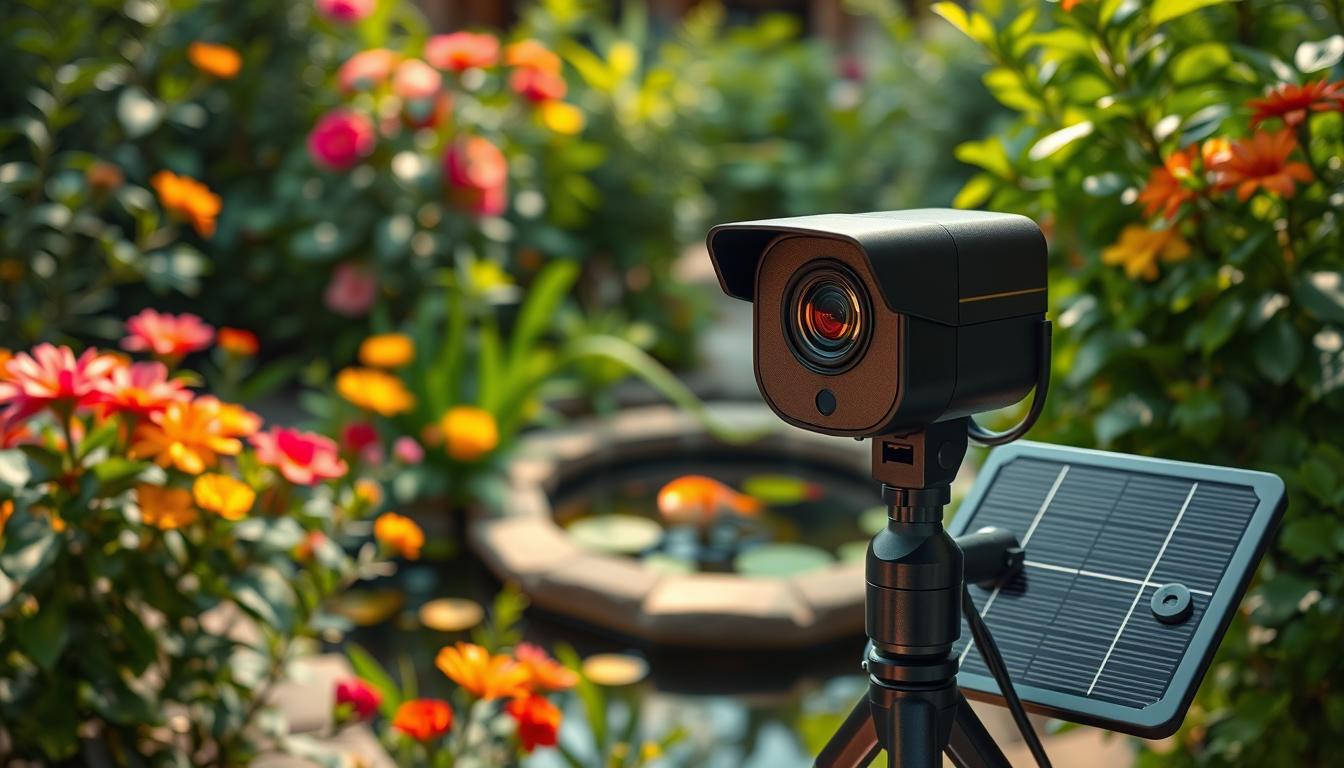
Eco-Friendly Low Power Solar IP Camera Guide
In today’s world, we all want to protect the planet. Low power solar IP cameras are a great way to do this. They use the sun’s energy for surveillance, cutting down on carbon emissions. This makes them perfect for sunny places like Singapore.
This guide will tell you all about these cameras. We’ll cover their tech, benefits, how to install them, and what’s coming next. For more info and products, check out solar CCTV solutions for green living.
Key Takeaways
- Low power solar IP cameras use renewable energy for watching over your place.
- They’re great for sunny areas, like Singapore.
- They help the environment a lot by using solar power.
- They work well without using a lot of energy, saving you money.
- Knowing how they work is key to using them right.
- Proper setup and care can make them last longer.
Introduction to Eco-Friendly Security Solutions
More people are now looking for ways to protect themselves and the planet. They want security solutions that are good for the environment. This means using tech that cuts down on carbon emissions and uses renewable energy.
The Importance of Sustainable Surveillance
Sustainable surveillance systems are key to reducing carbon emissions and keeping us safe. Unlike old security methods that use fossil fuels, new eco-friendly solutions run on renewable energy. This makes them a better choice for our planet.
Now, people and businesses want to keep their places safe without harming the environment. They’re looking for ways to protect their properties in a green way.
Why Choose Solar-Powered Cameras in Singapore
In Singapore, solar-powered cameras are becoming more popular. They work well without needing the power grid. This is great for places that are hard to get to, like construction sites.
Using solar-powered cameras means you can keep an eye on things all the time. It also helps save energy. This makes them a good choice for those who care about the planet.
Understanding Low Power Solar IP Camera Technology
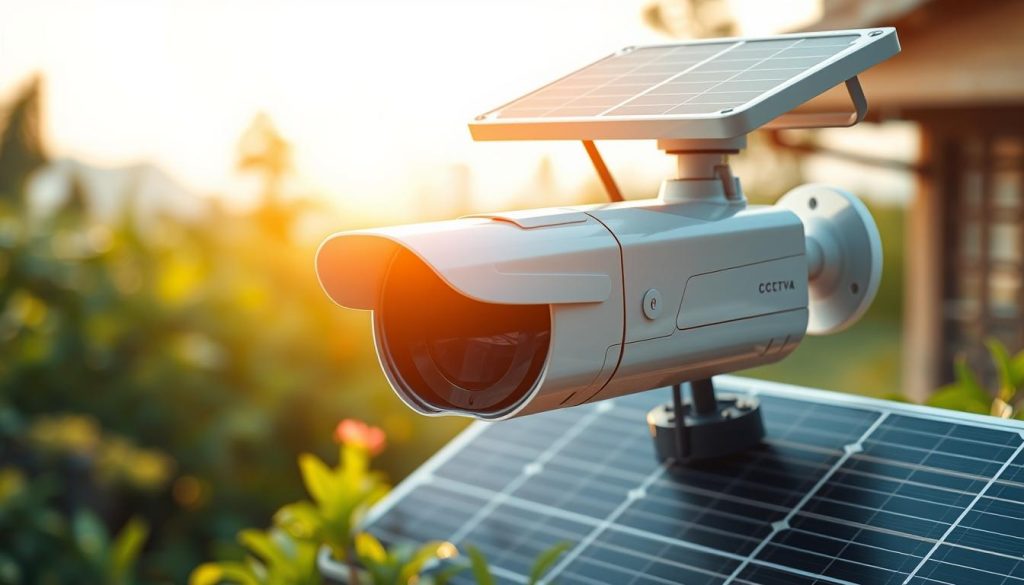
Low power solar IP cameras are a top choice for modern security. They use solar panels to work without needing regular power. Knowing how they work and what parts they have helps us see their benefits.
How Solar Panels Power IP Cameras
These cameras have solar panels that turn sunlight into electricity. This electricity charges the batteries during the day. So, they keep working, even when there’s no power or bad weather.
Components of Low Power Solar IP Cameras
The main parts of these cameras are:
- Solar Panels: These panels catch sunlight and make electricity.
- Batteries: The batteries hold the energy for when it’s dark or cloudy.
- Camera Unit: The camera takes clear pictures and videos.
- Optional Solar Charge Controller: This part helps the energy flow better, making the system more efficient.
New solar panel tech makes these cameras work better in different light. Better camera parts also improve their performance. This makes them a great choice for green surveillance.
Benefits of Low Power Solar IP Cameras
Low power solar IP cameras have many advantages. They are cost-effective and support sustainable practices. Here are the main benefits of using solar-powered cameras for monitoring.
Continuous Operation Day and Night
Solar cameras work all the time, day or night, and in any weather. They use solar panels to get energy during the day. At night, they use stored battery power. This means they keep watching without stopping, making security better.
Lower Operational Costs Compared to Traditional Systems
Solar-powered cameras are also a smart choice for your wallet. They use very little energy and don’t need wires. This means you save money on energy and installation over time. They are cheaper to run than old security systems.
Environmental Advantages
Solar cameras are good for the planet too. They use clean energy, which cuts down on harmful emissions. Choosing solar technology helps us move towards a greener future. It meets our needs while being kind to the environment.
Types of Eco-Friendly IP Cameras
Choosing eco-friendly IP cameras means knowing the different types. You have battery powered cameras and wired security solutions. Each has its own benefits, depending on where you need them.
Battery Powered vs. Wired Options
Battery powered cameras are great for places without power outlets. They use solar power or rechargeable batteries. This makes them perfect for outdoor or remote spots.
Wired security solutions, on the other hand, give steady power. They’re best for places needing lots of power, like big buildings or homes with lots of electrical stuff.
Best Use Cases for Each Type
Battery powered cameras are perfect for homes, outdoor areas, or construction sites. They’re easy to move around because they don’t need wires. This is great for places without power.
Wired options are better for fixed spots. They’re good for places needing constant watch, like offices or warehouses. Both types are good for different needs and places.
Installation Process for Low Power Solar IP Cameras
Setting up low power solar IP cameras needs careful planning. The solar camera installation process is simple. But, picking the right spot and following a detailed guide boosts efficiency and security. Here, we share key tips for the best placement and a step-by-step guide.
Choosing the Optimal Location
For solar camera success, choose spots with lots of sunlight. This lets solar panels charge batteries all day. Place cameras high to avoid tampering and see more. Find areas with no blocks and direct sunlight for best results.
Step-by-Step Installation Guide
Here’s how to install your solar-powered IP camera:
- Get tools like mounting brackets, screwdrivers, and a level.
- Put the solar panel at an angle for best sunlight.
- Connect everything, keeping wiring safe from weather.
- Mount the camera where you want, making sure it’s straight for a wide view.
- Test the system to make sure it works right, adjusting if needed.
Maintenance Tips for Solar IP Camera Systems
Keeping solar IP camera systems in good shape makes them last longer and work better. Regular checks and care help these green security tools run smoothly. It’s key to follow good solar camera maintenance habits for the best results.
Regular Cleaning and Upkeep
It’s important to keep the camera and solar panels clean. Here are some cleaning tips to help them soak up the sun’s energy well:
- Check solar panels for dirt and debris every month.
- Use a soft cloth or sponge with mild soapy water for cleaning.
- Don’t use rough materials that could scratch the surface.
Regular cleaning helps the system work more efficiently and stay in top shape.
Checking Battery Health
Doing battery health checks helps avoid sudden system failures. Here’s what to do:
- Watch for signs of battery trouble, like less activity or slow response.
- Check how long it takes to charge; a drop might mean the battery is wearing out.
- Charge or replace the battery quickly to keep things running smoothly.
By following these steps, you can make sure your solar system keeps working well. For more tips, check out solar-powered security cameras.
Top Eco-Friendly Low Power Solar IP Camera Models
Choosing the right surveillance solution means looking at the latest solar tech. There are many options, each with special features for different security needs.
Features of Leading Models
Today’s eco-friendly solar IP cameras have amazing features. For example, the Reolink Argus 3 Pro has high video quality for clear views. The EufyCam 3 stands out with its long battery life and weather resistance. These models highlight important solar camera features, such as:
- High-definition video quality for better monitoring.
- Two-way audio for talking through the camera.
- Smart alerts to let you know of any activity.
- Durability to handle different weather conditions.
How to Choose the Right Model for Your Needs
Choosing security cameras needs careful thought. You must consider your needs, the environment, and your budget. Think about these factors when picking:
- Define your surveillance needs: Decide what you want to monitor and how detailed it should be.
- Assess the installation environment: Check if the camera will be inside or outside.
- Establish your budget: Make sure the camera fits your budget.
- Evaluate desired video quality: Choose higher resolutions for more detailed views.
- Look for additional features: Consider night vision, mobile access, and storage options.
Understanding Solar Panel Technology for Security Cameras
Using solar power for security cameras is growing in popularity. It’s a green way to keep your place safe. Knowing about solar panel wattages is key to making your system work well. Choosing the right solar panels helps your camera stay powered up all day and night.
Different Wattages and Their Applications
Solar panels come in various wattages, each suited for different needs. Lower wattage panels work well for homes where you don’t need to watch everything closely. But, businesses with lots of cameras need higher wattage panels. This helps you pick the right panels for your security needs.
Choosing the Right Solar Panel for Your Camera
Choosing solar panels for your camera involves several important steps. The amount of sunlight in your area affects how well they work. You also need to know how much power your camera uses to pick the right wattage. Plus, panels should last long in Singapore’s weather. Buying top-notch panels means less trouble and better performance.
Battery Technology in Low Power Solar IP Cameras
Battery technology is key for low power solar IP cameras to work well. Knowing about battery capacity and types is vital. This part talks about why battery capacity matters and the choice between lithium-ion and lead acid batteries.
Importance of Battery Capacity
Battery capacity is very important for solar camera battery tech. A bigger capacity means the camera can run longer without sunlight. This ensures it keeps watching over your place.
Higher capacity batteries hold more energy. This means they last longer and need to be charged less often.
Choosing Between Lithium-Ion and Lead Acid Batteries
Choosing a battery type for solar IP cameras is a big decision. Lithium-ion batteries are more efficient and last longer. They also work well in different weather.
Lead acid batteries might be cheaper at first, but they don’t last as long. They also need more care. So, lithium-ion is usually the better choice for solar systems.
Future Trends in Solar Security Technology
The future of solar cameras is bright. New technologies are making solar-powered surveillance systems better. They will be more efficient and useful.
Expect better image quality, night vision, and motion detection. These improvements will give clearer footage and fewer false alarms. This meets the need for effective, eco-friendly security solutions.
Artificial intelligence is also changing solar security. AI cameras can spot threats quickly. This makes security better and uses less energy.
Smart home integration is another big trend. Solar systems will connect to the internet easily. This lets users check their homes from anywhere.
These changes will make solar systems key in security. They will be a big part of modern, green surveillance.
FAQ
What are the main benefits of using eco-friendly solar IP cameras?
Eco-friendly solar IP cameras offer reliable surveillance. They also cut down on carbon emissions and fossil fuel use. These cameras use sunlight to power them, reducing environmental harm and costs compared to old systems.
How do solar panels charge the IP cameras?
Solar panels turn sunlight into electricity. They charge the cameras’ batteries all day. This lets the cameras work on their own, even when there’s no power.
What components are essential in a solar-powered IP camera?
Key parts are solar panels, rechargeable batteries, the camera unit, and a solar charge controller. These work together to keep the cameras running on solar power.
Why are solar-powered cameras ideal for Singapore?
Singapore’s lots of sunlight makes solar cameras very effective. They don’t need a lot of wiring and save energy. This makes them great for homes and businesses.
What is the difference between battery-powered and wired solar cameras?
Battery-powered cameras can go anywhere without electricity. Wired cameras give steady power for places that need it more. Each type fits different needs and places.
How can I ensure that my solar camera gets sufficient sunlight?
Pick a spot that gets lots of sunlight all day. Make sure the panels are at the right angle and not blocked. This helps them charge better.
What maintenance is required for solar IP cameras?
Clean the solar panels often to keep them working well. Also, check the battery health now and then. This keeps your camera running smoothly and lasts longer.
How do I select the right solar panel wattage for my camera?
Choose the right wattage based on your camera’s needs and sunlight where you live. More wattage is needed for business use. Less might be enough for simple setups.
What should I consider when choosing a battery for my solar IP camera?
Think about the battery’s capacity, efficiency, and how long it lasts. Lithium-ion batteries are better because they last longer and work better than lead-acid ones, even if they cost more at first.
What are the future trends in solar security technology?
Future trends include better AI for smarter watching, new battery tech, more ways to connect, and more focus on green energy. These changes will make security systems more sustainable.


