
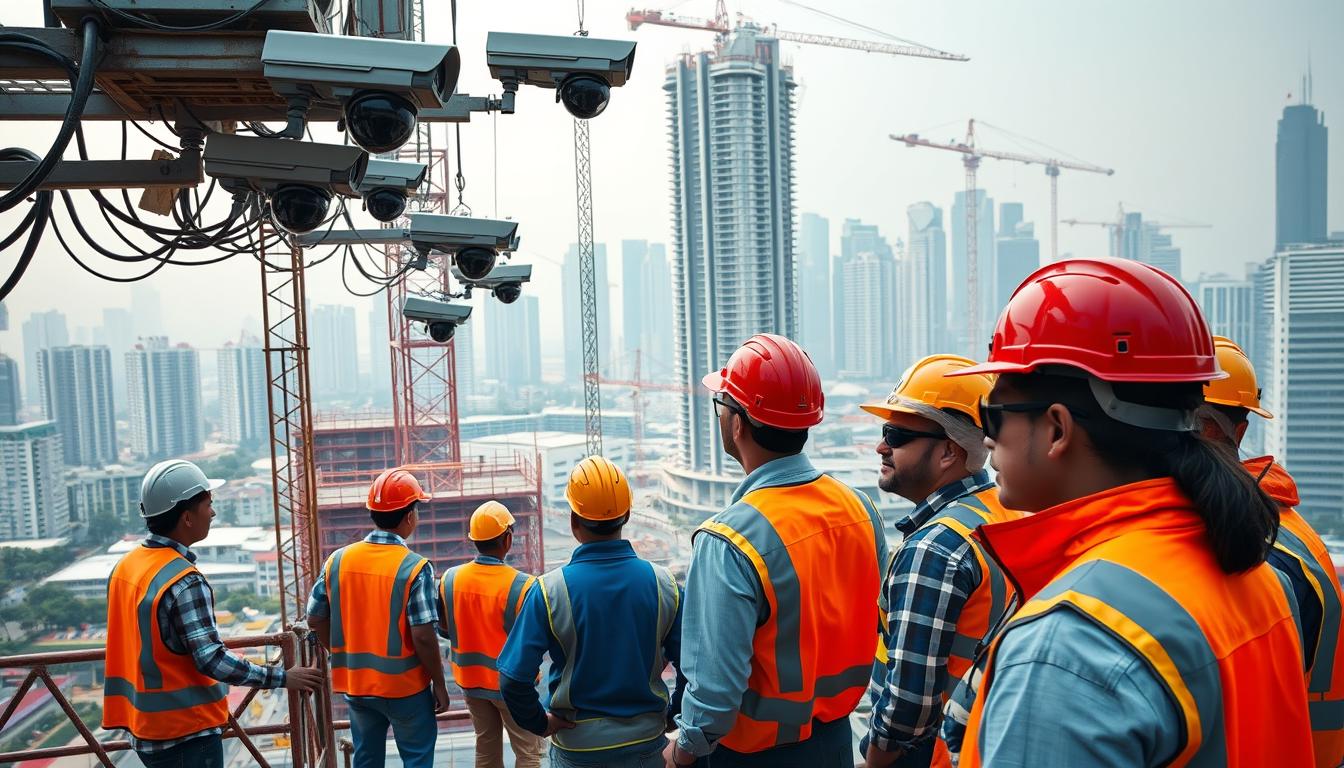
Construction Camera Systems for Singapore Projects
In Singapore’s fast-changing construction scene, construction camera systems are key for better project management, safety, and security. As cities grow, these systems help track progress and meet strict rules. Over 240 time-lapse cameras have been used in Singapore and Malaysia in the last 12 years, showing a big move to construction site cameras.
Jobsite security cameras cut down theft and damage by up to 65%. They also offer live footage to help lower downtime. Starting June 2024, new rules will demand HD 1080p recording and keeping footage for 30 days for big projects. This change highlights the importance of top-notch building camera systems.
The construction camera market is expected to hit USD 9.8 billion by 2021, growing 8.38% yearly until 2027. Investing in these systems is more critical than ever. Good surveillance boosts job site security, ensures rules are followed, and improves site efficiency.
Key Takeaways
- Over 90% of construction site cameras work well in harsh weather.
- Live feed systems can cut theft by 65% and offer vital real-time monitoring.
- New rules require HD 1080p recording and keeping footage for 30 days starting June 2024 for big projects.
- Fixed and PTZ cameras offer custom solutions for different site monitoring needs.
- Following rules ensures clear, compliant images to boost site security and safety.
Introduction to Construction Camera Systems
Construction camera systems are key in today’s building projects, like in Singapore. They help keep things running smoothly and safely. These systems, like construction webcams, let managers watch what’s happening live. This helps teams talk better and follow safety rules closely.
With theft costing Singapore’s construction industry up to $1 billion a year, it’s critical to watch over sites. Theft and vandalism are 400% more common here than in other fields. So, keeping an eye on construction progress is more important than ever.
In Singapore, new rules say all big construction projects must have video surveillance by June 2024. This shows how important good camera systems are for following rules and protecting work. These cameras can handle tough weather and give clear pictures, helping spot who’s doing what.
Features like motion detection and night vision help stop crime. They send alerts right away if something strange happens. Managers can check the site from anywhere using mobile apps. And, cloud storage keeps video safe, even if cameras fail.
Learn more about the significance of mobile security in making projects safer and more productive.
Importance of Surveillance in Construction Projects
Construction sites face many challenges, like theft, vandalism, and safety issues. These problems cost the industry a lot, from $300 million to $1 billion each year. Using surveillance cameras is key to solving these problems and making sites safer.
Common Issues Faced on Construction Sites
Construction sites often deal with big problems. These can mess up project timelines and budgets. Some common issues include:
- Unauthorized access leading to theft of materials and equipment.
- Vandalism that damages property and raises repair costs.
- Safety violations, increasing the risk of accidents and legal troubles.
Project site cameras are needed to tackle these challenges. They help monitor sites even when no one is there. With cameras watching 24/7, sites can keep intruders out and prevent damage.
Benefits of Enhanced Surveillance
Getting a good surveillance system, like a jobsite security camera, has many benefits:
- It makes operations more efficient by watching workflows in real-time.
- It can lower insurance costs because of better security.
- Clear footage is good evidence against false claims.
- Features like AI and motion detection cut down on false alarms.
- It helps meet new rules on video surveillance on big sites, avoiding fines.
Starting June 1, 2024, big construction sites in Singapore must have video surveillance. Using top-notch surveillance systems now helps contractors meet rules. It also makes sites safer, leading to better and safer construction work.
| Benefits | Description |
|---|---|
| 24/7 Monitoring | Continuous oversight to prevent unauthorized access during off hours. |
| Increased Safety | Encouragement of adherence to safety protocols, reducing accident rates. |
| Cost Efficiency | Decreased costs associated with theft and legal disputes. |
| Evidence for Compliance | High-definition footage confirms adherence to safety standards. |
| Quick Incident Response | Advanced systems enable rapid reaction to problems. |
Construction Camera Systems: Key Features
Construction camera systems have key features that help with surveillance and project oversight. They offer high-definition imaging and are built to last in tough construction environments. These systems use advanced tech for effective monitoring and a reliable feed.
High-Definition Imaging
High-definition imaging is very important. Cameras with at least 1080p resolution give clear, detailed views. This helps project managers document and investigate incidents well.
Most cameras also have night vision. This means they work well even in dark places. Their wide view is great for watching over big construction sites.
Durability and Weather Resistance
Construction sites are often very tough on equipment. Cameras need to be durable and weather-resistant. They must handle extreme temperatures, rain, and more, without breaking down.
Features like motion detection send alerts for quick action on security issues. Working with video management systems (VMS) makes site management better. It allows for remote access and real-time monitoring on mobile devices or computers.
| Feature | Description |
|---|---|
| High-Definition Imaging | Resolution of 1080p for clear visuals, enabling effective incident documentation. |
| Durability | Built to withstand harsh environmental conditions, ensuring longevity. |
| Night Vision | Infrared technology for 24/7 monitoring in low-light conditions. |
| Motion Detection | Alerts operators to unusual activities for swift response. |
| Remote Access | Real-time monitoring accessible via mobile devices and computers. |
| AI-Powered Threat Detection | Enhances security with proactive incident response features. |
Types of Construction Camera Systems Available
There are many construction camera systems for different needs on project sites. Knowing these types helps choose the right one for each project. Fixed cameras watch specific spots all the time. PTZ cameras can be moved remotely, great for big sites. Time-lapse cameras show how a project grows, perfect for updates and marketing.
Fixed Cameras
Fixed cameras are perfect for watching important areas on a site. They don’t need to be moved often. They’re great for keeping an eye on key spots. HD 1080 recording makes the video clear, and it can be saved for a long time.
PTZ Cameras
PTZ cameras let you zoom in on areas you need to see. They’re good for big sites where you need to see everything. They work with remote controls and real-time systems, helping manage the site better. This makes the site safer and more efficient.
Time-Lapse Cameras
Time-lapse cameras record a project from start to finish. They take pictures at set times, showing how a project grows. This video is great for reports or marketing, showing off the finished project. It’s key for project managers to show progress and milestones.
| Camera Type | Features | Best Use Case |
|---|---|---|
| Fixed Cameras | Continuous monitoring, HD recording | Specific area surveillance |
| PTZ Cameras | Remote control, pan, tilt, zoom | Large job site monitoring |
| Time-Lapse Cameras | Interval capture, project timeline | Documenting construction progress |
Choosing the right cameras can really help with project monitoring. Knowing what each camera does helps use resources well. For more info on camera systems, check out this resource.
Choosing the Right Construction Camera for Your Project
Choosing the right construction camera system is key for any project. Knowing your site’s needs and budget is important. The size of your site, how much detail you need, and environmental challenges help pick the best camera.
Evaluating Your Site Needs
When looking at your site needs, consider these:
- Camera Type: Fixed cameras are good for watching specific spots, like doors. PTZ cameras are better for big areas because they can zoom.
- Environment: Outdoor cameras need to be tough because of the weather. Indoor cameras are lighter and cheaper.
- Features: Night vision and motion detection help keep your site safe, which is important for safety and insurance.
Budget Considerations
Thinking about your budget is also important. Good cameras can save money in the long run by preventing theft and improving work flow. Solar cameras can save money over time, thanks to tax credits. Here are some budget tips:
- Cost Range: Basic wire-free cameras start at about SGD 150.
- Mandatory Regulations: From June 2024, big projects must have cameras. They need to record in HD 1080.
- Recording Requirements: Keep recordings for at least 30 days after incidents and 180 days for safety ones.
- Data Accessibility: Choose vendors that offer 24/7 help, free storage, and extra services. This makes managing your project easier and keeps data accessible.
Installation and Integration of Construction Camera Systems
Setting up construction camera systems needs careful planning for the best results. It’s important to place cameras right to boost site security. This includes areas like work at heights, excavation zones, and loading areas. Surveillance cameras protect assets and lower risks by following new rules, like Video Surveillance Systems (VSS) on big projects starting June 1, 2024.
Planning for Effective Placement
Starting with the right plan is key for camera system installation. Think about these points:
- Coverage Areas: Focus on high-risk zones, like entry points, material storage, and accident-prone areas.
- Camera Features: Pick systems with high-definition recording (at least 1920×1080 pixels), live monitoring, and weatherproofing.
- Custom Setups: Design camera setups to avoid blind spots, making sure every site corner is watched.
- Advanced Technologies: Add AI and thermal imaging to improve monitoring and security.
Keeping systems in good shape is vital. This means updating software, cleaning lenses, and checking cameras. Regular checks stop security issues.
Surveillance cameras can cut down theft, which costs contractors a lot. Visible cameras can drop crime by up to 65%. Installation costs vary, so choose a vendor that offers full support.
Good surveillance cameras can save money by reducing the need for on-site guards. They also help lower insurance costs by providing clear evidence in investigations. With careful planning, companies can improve safety and make their surveillance more effective.
Current Regulatory Requirements in Singapore
In Singapore, the rules for construction camera systems have changed a lot. From June 1, 2024, sites with contracts over $5 million must use Video Surveillance Systems (VSS). This move aims to boost site safety and follow national safety standards.
Cameras must record in HD 1080 (1920×1080 pixels) and at 12 frames per second or more. This high quality is key for watching over risky activities like working at heights and excavations. The videos must show the date, time, and camera ID. They should keep this info for at least 30 days, longer if there’s a safety issue.
Cameras need to be placed in key areas like where scaffolding is set up and where trucks and confined spaces are used. If fixed cameras can’t be used, portable ones can help keep safety without losing flexibility.
It’s also vital to balance safety with worker privacy. Employers must follow the Personal Data Protection Act (PDPA) while keeping surveillance in line with the rules. Companies that have started using these systems say they’ve seen big improvements in watching over the site and handling incidents.
| Requirement | Details |
|---|---|
| Applicable Projects | Contract value of $5 million and above |
| Effective Date | June 1, 2024 |
| Recording Resolution | Minimum HD 1080 (1920×1080 pixels) |
| Frames per Second | At least 12 fps |
| Footage Retention | At least 30 days; 180 days if incidents occur |
| Areas of Coverage | Work at height, lifting operations, excavation, confined spaces |
| Privacy Compliance | Adhere to Personal Data Protection Act (PDPA) |
Case Studies: Successful Implementation of Camera Systems in Singapore
Looking at successful cases from top construction companies in Singapore shows the clear benefits of using camera systems. These firms have set up full surveillance systems, including jobsite security cameras. This has greatly improved how they monitor construction progress. Here are some examples of how these systems have worked well.
Examples from Leading Construction Companies
Teambuild Engineering & Construction Pte Ltd saw a big drop in rework costs, down by 65%. This was thanks to better oversight and communication from their cameras. They used 10 external and 2 internal cameras, plus a 16-Channel NVR. This helped them stick to project timelines better. Clients also liked the system for its real-time monitoring and evidence during disputes.
Chip Eng Seng Contractors (1988) Pte Ltd cut down the time spent on monitoring projects by 55%. This let teams focus more on getting work done. The system also made sure they followed Singapore’s Ministry of Manpower rules, keeping workers safe and legal.
Lum Chang Building Contractors Pte Ltd also saw big benefits. They cut down document reviews by 30% and design approvals by 50%. Their AI video monitoring led to a 40% drop in safety incidents. AI helped automate safety checks and cut down incident response time by 15%, showing its value in construction today.
In summary, using surveillance systems in Singapore’s construction has made a big difference. High-definition cameras with night vision and two-way audio have boosted site security. AI surveillance has also made workers follow safety rules better by 30%. This has made the work environment safer and encouraged better construction monitoring practices.
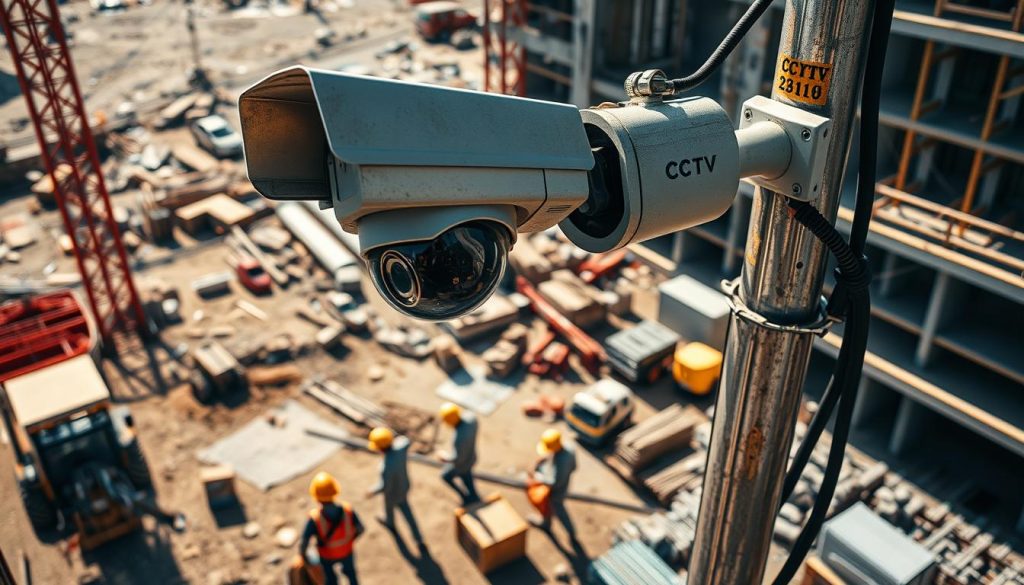
Conclusion
In summary, construction camera systems are key in Singapore’s fast-paced building scene. They boost safety and efficiency and meet new rules starting June 1, 2024. Theft in construction costs a lot, from $300 million to $1 billion a year. So, a good building camera system is vital to fight these risks.
Studies show CCTV systems can cut security breaches by up to 80%. This makes them a smart choice for managing projects. Real-time monitoring with advanced tech is also a big plus. It helps respond quickly to emergencies and keeps safety rules in check.
AI cameras also spot safety risks and odd activities. Using these systems means better site management, clear records of subcontractor work, and constant quality checks. This keeps everything running smoothly.
For construction companies wanting to safeguard their investments and manage better, these surveillance tools are a must. If you want to boost your project’s security, contact CCTV Maintenance at +65 6013 5960. Check out the latest building camera systems to change how you plan and run your projects.
FAQ
What are construction camera systems?
Construction camera systems are special tools for watching over construction sites. They give real-time views for managing projects, keeping sites safe, and following rules.
Why is surveillance important on construction sites?
Surveillance helps lower risks like theft, damage, and safety issues. It makes projects run better, cuts down on lost time, and keeps workers accountable.
What features should I look for in a construction camera system?
Look for high-definition images (at least 1080p), toughness, and weatherproofing. Also, check for PTZ (pan-tilt-zoom) and AI analytics for better monitoring.
What types of construction camera systems are available?
There are fixed cameras for steady watching, PTZ cameras for flexible views, and time-lapse cameras for showing project progress. Each meets different needs.
How do I choose the right construction camera system for my project?
Think about what your site needs, the weather challenges, and your budget. This will help pick the right camera features for watching over your project.
What are the current regulatory requirements for construction surveillance in Singapore?
Starting June 2024, sites worth over million in Singapore must use Video Surveillance Systems (VSS). They need to record in high definition for safety and to follow the law.
Can construction camera systems aid in reducing costs?
Yes, they can help cut costs by lowering theft and rework. Companies see better accountability and project control with these systems.
How can I ensure effective installation of construction camera systems?
Good installation needs careful planning for camera spots. Focus on risky areas like entry points and material storage. Also, make sure they work with your current security setup.


