

Ideal CCTV Camera Count for Effective Security
Ever thought about how many CCTV cameras you need for property safety? The answer might shock you. With security threats growing, knowing the right number of CCTV cameras is key for homes and businesses in Singapore. Installing the right number of cameras is vital to prevent crime and protect your assets.
Most homes need 2 to 6 cameras, while businesses might need 16 to 64 cameras. Choosing the right number of cameras saves money and ensures your system works well. The correct count helps you pick the best surveillance recorders, avoiding future problems.
For personalized advice on CCTV solutions, call CCTV Maintenance at +65 60135960. Discover the latest security innovations to boost your setup.
Key Takeaways
- Typical home security systems need 2 to 6 cameras.
- Business security requirements can range from 16 to 64 cameras.
- Choosing the right number of cameras upfront saves costs later.
- CCTV systems are critical for monitoring entrances, outside areas, and vulnerable zones.
- Professional advice can enhance the effectiveness of your security system.
Understanding the Importance of CCTV Cameras
CCTV cameras play a big role in keeping us safe today. They help prevent crimes and make us feel more secure. By being there, they often stop bad things from happening.
In places like Singapore, where crime is low, CCTV is even more important. They help keep everyone safe by watching over us. This makes places safer for both workers and customers.
Choosing good CCTV systems is key to stopping crimes. They help find out what happened and make us feel safer. CCTV cameras are now more important than ever.
If you’re thinking about your security, now is the time to act. Call CCTV Maintenance at +65 60135960. They can help you find the best CCTV solutions and offers. Taking action now can protect what’s most important to you.
How Many CCTV Cameras Should I Have?
Figuring out the right number of CCTV cameras for your property is key for good security. Many things affect how many cameras you need, like the area’s size, weak spots, and your budget. Knowing these helps you choose the right number of cameras for your security needs.
Factors Influencing Camera Needs
When setting up a CCTV system, consider these factors influencing camera needs:
- Property Size: Bigger areas need more cameras. Homes usually need 2 to 6 cameras, while businesses might need 16 to 64 cameras, depending on size.
- Entry Points: Intruders often target the front door. Using a doorbell camera and an outdoor camera at the door boosts security.
- Vulnerable Areas: Don’t forget about backdoors, side doors, and windows. Motion detection cameras are good for constant watch in these spots.
- Budget Considerations: If you’re on a tight budget, a single wireless camera with a wide view might be enough. But, a more detailed setup offers better security.
Average Counts for Homes and Businesses
Here’s a look at the average camera counts for different types of properties:
| Property Type | Recommended Camera Count | Camera Locations |
|---|---|---|
| Small Home | 2-4 Outdoor, 1-2 Indoor | Front, Driveway, Entry |
| Large Home | 4-6 Outdoor, 2-3 Indoor | Backyard, Windows, Hallways |
| Small Business | 10-16 | Entry, Cash Register, Stock Areas |
| Large Business | 16-64 | Multiple Entries, Parking Lots, High-Demand Areas |
For good monitoring, place cameras in main hallways, bedrooms with valuable items, and living rooms with tech. Smart planning ensures full coverage and boosts safety.
Looking to improve your security? Contact CCTV Maintenance today at +65 60135960. They offer the latest CCTV solutions and great deals.
Key Considerations for CCTV Camera Deployment
Setting up a good CCTV camera system needs careful planning. You must understand the site’s layout well. This ensures your surveillance system works best. A smart plan covers main security needs and spots where crime might happen.
Site Layout and Design
Before installing cameras, assess the property fully. It’s important to place cameras where they can’t miss anything. They should be high up to avoid being tampered with. Also, the right lighting is key for clear footage.
Identifying Vulnerable Areas
Find out which areas are most at risk, like entrances and busy spots. Also, watch areas that are hard to see. Using motion detection in cameras helps respond quickly. Regular checks keep your system up to date with security needs.
For advice and the latest CCTV tech, call CCTV Maintenance at +65 60135960. Check out our special deals to boost your security.
Determining CCTV Camera Coverage Area
Setting up effective CCTV coverage is key for any security system. It’s important to check both indoor and outdoor areas. This ensures all weak spots are watched. It includes an indoor coverage assessment and an outdoor surveillance evaluation. Together, they build a strong security base.
Assessing Indoor Coverage
When checking indoor areas, several things matter. This includes the room layout and what’s valuable. Experts say homes need 2 to 6 cameras, placed at key spots like doors and where valuables are kept.
This setup boosts security and makes managing easier. For businesses, the number of cameras goes up, often to 16 to 64, depending on the size and needs. Using smart cameras, like PTZ or fisheye lens types, helps cover more ground. This might mean fewer cameras are needed.
Evaluating Outdoor Surveillance
Checking outdoor areas is vital for keeping intruders away and protecting properties. Cameras should be set up near doors, driveways, and parking lots. This helps spot threats early.
Studies show homes with visible cameras are 31% less likely to be burgled. Also, 80% of people without cameras might get them if they knew how many they needed. Good outdoor camera placement deters crime and boosts surveillance. Cameras with motion sensors or night vision are super useful for catching activity in the dark.
To get the most out of your system, focus on what needs watching, not just your budget. Match the number of cameras to your property’s layout and needs. Want to improve your property’s security? Call CCTV Maintenance today at +65 60135960 to learn about the latest CCTV solutions & offers.
CCTV Camera Placement Guide
Placing CCTV cameras right is key to keeping places safe. It helps prevent crime in homes and businesses. This guide will show you the best spots for cameras in homes and businesses.
Strategic Locations for Residential CCTV
For homes, the right camera spots can fight off burglars. Here are some important places:
- Entry points: Cameras at doors watch for anyone coming in.
- Backyards: Cameras here stop intruders who sneak in.
- Driveways: Cameras catch car movements, stopping theft and helping solve crimes.
- Garages: Keep an eye on garages to stop theft of valuable items.
Some burglars think homes with cameras have more valuable stuff. So, using cameras wisely can help keep your home safe.
Effective Coverage for Commercial Properties
Businesses need special camera plans. Good camera spots can really boost security. Here are some key areas:
- Exterior doors: Cameras watch all entrances for people and vehicles.
- Points of sale: Cameras above checkout counters stop theft and fraud.
- Loading docks: Cameras here stop unauthorized access to deliveries.
- Parking lots: Cameras in parking lots protect cars and stop vandalism.
- Employee-only areas: Cameras in these areas watch for unauthorized access and activity.
For best results, put cameras eight to ten feet up. This height covers more area and makes tampering harder. The right placement can greatly improve business security.
Want to improve your security? Call CCTV Maintenance at +65 60135960. Learn about the latest CCTV solutions and deals.
Best Practices for CCTV Camera Installation
Following the best practices for CCTV installation makes your security system reliable. It’s important to think about where to place cameras. This helps cover more area and avoid blind spots. Here are some camera positioning tips and mistakes to avoid for a strong surveillance plan.
Camera Positioning Tips
Getting camera placement right is key for good surveillance. Here are some tips:
- Dome cameras are great for indoor use because they cover 360 degrees, fitting well in many spots.
- Bullet cameras work best outside, giving you a long view to watch over areas.
- Pan-Tilt-Zoom (PTZ) cameras let you control them from afar, which is handy in busy places.
- IP cameras are perfect for offices, with high quality and easy setup.
Avoiding Common Mistakes
Many CCTV setups fail because of small mistakes. Here are common errors to steer clear of:
- Skipping a detailed site check can cause cameras to be placed wrong and not cover enough.
- Ignoring privacy laws can get you into trouble, so following them is key.
- Not showing clear signs about being watched can upset customers and break privacy rules.
- Not keeping cameras in good shape can make them stop working. Regular checks are a must.
Getting professional installation from trusted companies ensures your security is top-notch. Quality equipment is vital for success.

For the latest on CCTV solutions and deals, call CCTV Maintenance at +65 60135960.
Quality vs. Quantity: Finding the Balance
When it comes to CCTV systems, people often debate quality vs. quantity. Choosing a few high-quality cameras can offer better performance than many cheap ones. This choice leads to clearer images, more features, and better security.
The Benefits of High-Quality Cameras
High-quality cameras have many advantages for security. These benefits include:
- Enhanced Resolution: Cameras with higher megapixels, like 4.0MP and 8.0MP, provide sharp images. This makes it easier to identify people from far away.
- Night Vision Capabilities: They can record continuously and use advanced infrared technology. This is great for places that are more likely to be broken into at night.
- Longevity and Reliability: Spending more on durable cameras means they last longer. This saves money in the long run because you won’t need to replace them as often.
Comparing Budget Options
While cheap cameras might seem like a good deal, they have their downsides. They allow for more cameras but often compromise on quality. Here’s a comparison of different models.
| Feature | High-Quality Camera | Budget-Friendly Option |
|---|---|---|
| Resolution | 4.0MP – 8.0MP | 420 – 700 TV lines |
| Night Vision | Yes, with infrared capabilities | Limited or absent |
| Frame Rate | Up to 120 fps | Below 30 fps |
| Storage Needs | More efficient compression (H.264) | Higher storage due to lower compression |
Finding the right balance between quality and quantity depends on your security needs. Choosing high-quality cameras ensures better performance. This leads to a more reliable surveillance system.
To learn more about quality CCTV solutions for your needs, contact CCTV Maintenance at +65 60135960. Find out about the latest offers and how high-quality installations can improve your security system.
CCTV Camera Selection Criteria
Choosing the right CCTV camera is key to meeting your surveillance needs. There are different types of cameras, like bullet, dome, and PTZ, each with its own features. The technology used in CCTV cameras greatly affects how well your system works.
Types of Cameras: What to Choose?
It’s important to pick the right camera type for your setup. Here are some options:
- Bullet Cameras: Great for outdoor use because they can see far and capture clear images.
- Dome Cameras: Good for indoor use because they are small and blend in.
- PTZ Cameras: Perfect for watching over big areas because you can move them around.
- Turret Cameras: Popular for indoor use because they can be mounted in many ways.
- Discreet Cameras: Ideal for sneaky monitoring without being noticed.
Technology Features to Consider
Knowing about CCTV technology is important for a good security system. Look at these features:
- Resolution: Cameras can have from 1.3 megapixels to 10 megapixels. 1080p HD cameras are very clear.
- Infrared Capability: Important for seeing at night; it works in total darkness.
- Weather Resistance: Outdoor cameras need to be tough against the weather.
- Lens Types: Fixed lenses are good for general views, while vari-focal lenses let you zoom in for more detail.
- Storage Options: Most cameras keep footage for 30 to 90 days, which is useful for looking back.
- Image Sensor Quality: High-quality sensors, like those from Sony or Panasonic, make colors and details better.
Each choice should match your specific needs. For more help, call CCTV Maintenance at +65 60135960. They can help you find the best CCTV solutions and deals for you.
Maximum Number of CCTV Cameras Per Area
Knowing how many CCTV cameras you need is key for homes and businesses. Homes usually need fewer cameras than businesses. Following guidelines helps ensure you get the right amount without spending too much.
Guidelines for Residential Surveillance
For homes, residential surveillance guidelines suggest 2 to 6 cameras. This range covers most homes well. Important things to think about include:
- Assessing entry and exit points
- Covering possible hiding spots
- Putting cameras high to prevent tampering
Placing cameras wisely can cut down the number needed while covering more ground. A smart plan can help figure out the maximum CCTV cameras per area needed.
Commercial Property Standards
Businesses need more cameras, often between 16 and 64. This is because they are bigger and have more risks. Key tips include:
- Placing cameras in hidden or risky spots
- Ensuring all areas are covered
- Thinking about the budget when planning
Both hidden and visible cameras have their uses. Knowing commercial standards helps businesses set up good surveillance. This way, they can make the most of their security investment.
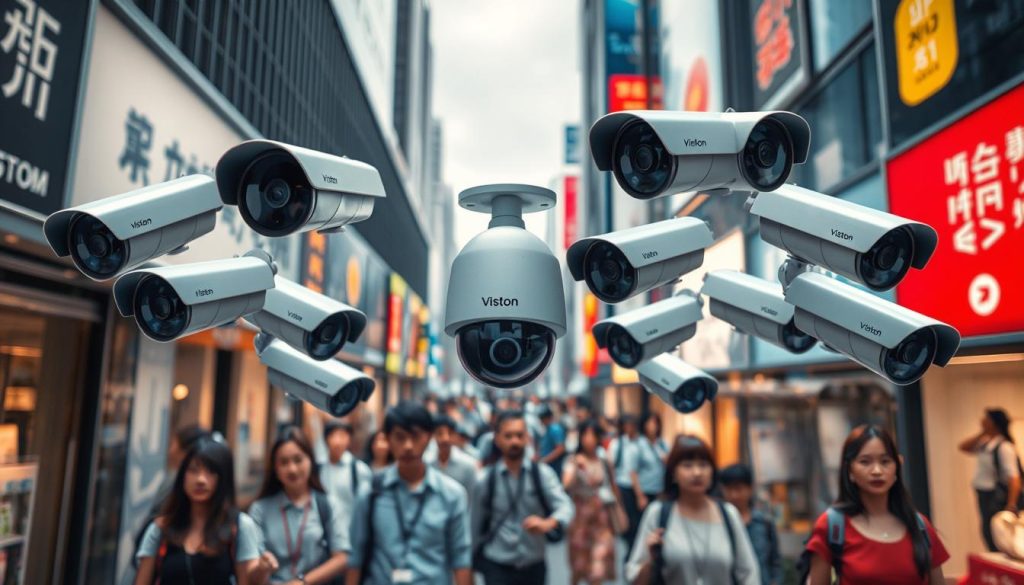
For help figuring out how many cameras you need, call CCTV Maintenance at +65 60135960. Check out the latest CCTV tech and special deals made just for you.
Future-Proofing Your CCTV System
As security needs change, it’s key to make CCTV systems last longer. This means planning for growth and making systems that can change with new demands. Taking a proactive step helps systems grow and use the latest tech.
Planning for Expansion
When planning to grow your CCTV, being flexible is essential. Look at your current setup and think about what you’ll need in the future. Upgrading to the latest IP cameras helps capture images faster and more clearly.
This flexibility is important for keeping your surveillance up to date. Also, using cloud storage means you can store more footage as needed. This is great for growing camera counts or changing how long you keep footage.
Integrating with Other Security Systems
Connecting your CCTV with other systems like access control and alarms makes managing incidents better. Working with IT to use cloud-connected devices makes monitoring from afar easier. This is very helpful in big or multi-site setups.
Using cloud-based evidence lockers makes sharing data safe and easy. This helps teams and outside partners work together better.
Investing in future-proof tech boosts security and makes things run smoother. Companies in Singapore looking for flexible CCTV solutions can reach out to CCTV Maintenance at +65 60135960. They’ll show you the latest options.
Regular Maintenance and Updates for CCTV Systems
Keeping a CCTV system in top shape is key for good security. Regular updates and checks help ensure systems work well. A maintenance plan helps equipment last longer and spots any weak spots.
Importance of Routine Checks
Routine checks for CCTV are vital for several reasons:
- Cleaning lenses stops dust and debris from ruining image quality.
- Checking cables makes sure they’re connected right and working.
- Testing power supplies keeps systems running smoothly, even when it matters most.
- Annual professional service can make your system last even longer.
Keeping Up with Technology
Staying current with technology means updating systems when needed. New CCTV tech offers better image quality and more features. You might need an upgrade if:
- Your current system’s image quality or performance is dropping.
- Your tech doesn’t have the features needed to fight off today’s security threats.
- You need to connect with newer smart systems.
Updating firmware and software regularly also fixes security issues. Regular updates make your system work better. For all your CCTV maintenance and updates, call CCTV Maintenance at +65 60135960 to see what’s new and what’s on offer.
| Maintenance Task | Frequency | Details |
|---|---|---|
| Clean camera lenses | Monthly | Remove dust and debris for clear footage. |
| Check cable connections | Every six months | Ensure all connections are secure and functioning. |
| Software updates | Annually | Upgrade firmware to improve performance and security. |
| Professional inspection | Annually | Comprehensive check of system health and performance. |
| Data management | Monthly | Properly store and manage recorded data. |
Conclusion
Figuring out the right number of CCTV cameras is key for good security. Whether it’s for a home or a business, knowing your needs is important. The right number of cameras depends on your budget, the layout of your space, and how vulnerable it is.
Thinking about getting help from experts is a good idea. They can help you pick the best cameras for your situation. This ensures your system works well and follows local laws.
Looking for the latest in CCTV tech and deals? Call CCTV Maintenance at +65 60135960. Your safety matters, and a smart video system can really help.
FAQ
How many CCTV cameras should I have for my property?
The number of CCTV cameras needed depends on your property type. Homes usually need 2 to 6 cameras. Businesses might need 16 to 64 cameras, depending on size and layout.
What factors influence the number of CCTV cameras I need?
Your budget, property location, security needs, and site layout vulnerabilities all play a role.
Where should I place my CCTV cameras?
Place cameras at entry and exit points, common areas, and vulnerable spots. For homes, focus on driveways and backyards. For businesses, cover cash register areas.
How do I determine the coverage area needed for CCTV cameras?
Check both indoor and outdoor areas. Indoor spots like hallways and rooms with valuables need careful placement. Outdoor areas like parking lots and entry points require thorough surveillance.
What are the best practices for installing CCTV cameras?
Choose the right spot, adjust the angle, and ensure the camera is at the right height. Make sure it’s weatherproof. Avoiding common mistakes will improve its effectiveness.
Is it better to invest in high-quality cameras or opt for budget-friendly options?
High-quality cameras offer better features like night vision and higher resolution. They provide clearer footage and better security. Budget options might not be as good.
What types of CCTV cameras should I consider?
Look at bullet, dome, and PTZ cameras. Each has its own use. Think about resolution, infrared, and weather resistance when choosing.
How can I plan for the future with my CCTV system?
Create a flexible system that can grow with your needs. Consider adding access control and alarms for a complete security plan.
Why is routine maintenance important for CCTV systems?
Regular maintenance keeps your system working well. Clean equipment, replace parts, and update software to improve performance and stay ahead of threats.
What should I look for in terms of technology features in CCTV cameras?
Look for high resolution, infrared for low light, and weatherproofing. These features are key for durability and effective monitoring.
Source Links
- https://nellyssecurity.com/blogs/articles/how-many-security-cameras-do-i-need-a-step-by-step-guide?srsltid=AfmBOooYVPApennSrMa_8ga8m0Kpx6loLV796IV-lPB-HONu3845zNTj
- https://www.justicesecurity.co.uk/blogs-item/how-many-security-cameras-do-i-need
- https://www.astrolsecurity.net/blogs/what-to-look-out-for-when-choosing-a-cctv-camera/
- https://safeguardsystems.co.uk/cctv-security-cameras/how-many-cctv-cameras-protect-business/
- https://www.isecure.com.sg/article/how-to-choose-the-right-cctv-camera-for-your-needs
- https://blog.arlo.com/best-security-setups/how-many-security-cameras-do-i-need/
- https://connectandprotect.net.au/blog/how-many-cctv-security-cameras-do-i-need/
- https://www.cctv-camera.com.sg/articles/cctv-camera-placement-for-maximum-deterrence.html
- https://network-data-cabling.co.uk/blog/practical-tips-for-successful-cctv-deployment/
- https://nellyssecurity.com/blogs/articles/how-many-security-cameras-do-i-need-a-step-by-step-guide?srsltid=AfmBOooCd3TbJ9Pzvl1Zx0Yvz5JxiZ0a-CtDGMWy7PInA2MDZJ9q2olT
- https://allroundsecurity.co.nz/blog/how-many-cctv-cameras-do-i-need-for-my-home/
- https://www.security.org/security-cameras/placement-guide/
- https://www.dtiq.com/resources/camera-placement-for-surveillance-security
- https://www.smartsecures.com/blog/cctv-surveillance-camera-installation-how-to-secure-your-space-with-expert-tips-and-best-practices
- https://cctvcamera.com.sg/8-best-practices-install-cctv-camera-ip-camera-retail-shop/
- https://yotelecom.co.uk/best-cctv-placement-practices-for-businesses/
- https://www.seagate.com/blog/how-much-video-surveillance-storage-is-enough/
- https://www.activeonline.com.au/choosing-the-right-cctv-camera-for-your-application/?srsltid=AfmBOoofevQJAdIp40ebsTKRdD4hwj0v1rQ-TYtZFDD-ke9EsJB7sayW
- https://www.linkedin.com/pulse/10-hints-looking-cctv-cameras-mahendran-c
- https://www.vin-services.com/guide/four-factors-to-consider-while-choosing-cctv-cameras
- https://casasecurity.com.au/12-key-elements-to-consider-when-selecting-a-cctv-surveillance-system/
- https://www.digitaldirectsecurity.co.uk/guide-to-selecting-security-camera.html
- https://pro-vigil.com/blog/how-many-security-cameras-do-i-need/
- https://nellyssecurity.com/blogs/articles/how-many-security-cameras-do-i-need-a-step-by-step-guide?srsltid=AfmBOooxdWX2hXdGE7XQ3h64RkLnAmc0OYyEY43LoRY1m0w_UbLUM4_2
- https://ipvm.com/discussions/how-many-cameras-can-one-monitor
- https://synecticsglobal.com/resources/five-ways-to-future-proof-your-surveillance-system-blog
- https://www.cctvsecuritypros.com/cctv-security-camera-systems/systems-by-number-of-cameras/?srsltid=AfmBOoqpbeEdX7mStcarI_nvIv0h8_U6NDSkntu9ryFVipqpmjP4gxMi
- https://www.linkedin.com/pulse/importance-regular-cctv-camera-maintenance-upgrades-chandan-kumar-mr4yc
- https://www.surveillancezone.com.sg/cctv-maintenance-and-best-practices-for-security-systems/?srsltid=AfmBOoq-H5o7zC-c3T99H4t-gF2apzQntkkiH6luwg_QJ1GyxJlmC8Yg
- https://www.cctv-camera.com.sg/articles/cctv-maintenance-checklist.html
- https://nellyssecurity.com/blogs/articles/how-many-security-cameras-do-i-need-a-step-by-step-guide?srsltid=AfmBOooJ040rTwUunJ9Hsdvqi61sUFwoyuGl8XiUpjT7cAzGp6QJKnLB
- https://reolink.com/blog/pros-cons-of-surveillance-cameras-in-public-places/?srsltid=AfmBOopU5WXZP2JpVUOQd5N5uvABB21JwClr7U85DFeMWyQEqJ4a0C6p
- https://ajax.systems/blog/security-camera-pros-and-cons/


